Want quiet in Hanoi? This half-day retreat turns the city’s energy down with Buddhist rituals, chanting, and hands-on meditation instruction. You start with rules, move through solemn sutras, then practice breathing and walking meditation at a calm pace.
Two things I really like: you’re not just told to sit there. You learn the correct method of meditation, plus you get guided practices like qigong and mindful breathing. And later, you get to talk with monks, hearing ideas about ethics, the noble life of renouncing worldly pleasures, and lofty ideals you can actually think about after you leave.
One heads-up: an air-conditioned vehicle isn’t included. If you’re sensitive to heat or you arrive early, plan for humid Hanoi weather between parts of the session.
In This Review
- Key moments worth planning for
- A quiet kind of training at a Hanoi pagoda
- Welcome lesson: rules, sutras, and ethics you can carry
- Qigong and mindful breathing: the body-led off switch
- Meditation session: learning the steps behind the calm
- Walking meditation: calm you can feel with your feet
- Monk conversation: questions, doctrine, and renunciation as an idea
- Compassion ritual: releasing animals and a grateful vegetarian meal
- Gifts, wrap-up, and taking the lessons home
- Price and value: what $60 buys in 4 hours
- Who should book this retreat (and who may not)
- Tips for getting more from your four hours
- Should you book this half-day mindfulness retreat in Hanoi?
- FAQ
- How long is the retreat?
- Where does the retreat take place?
- How much does it cost?
- Is a lunch included?
- Do I need a printed ticket?
- What meditation practices are included?
- Will there be chanting?
- Will I get to speak with monks?
- Is animal releasing part of the experience?
- Is an air-conditioned vehicle included?
Key moments worth planning for
- Chanting solemn sutras right after the pagoda welcome and rules talk
- Qigong + mindful breathing before you settle into meditation
- Walking meditation for calm focus without only sitting
- Touching peace lessons that explain how to focus the mind for happiness
- Conversation with monks about doctrine and a renounced life
- Releasing animals and a grateful vegetarian meal as a compassion practice
A quiet kind of training at a Hanoi pagoda
Hanoi can hit you fast—traffic, scooters, noise, constant movement. This retreat is built to do the opposite. For about four hours, you follow a structured flow of Buddhist ritual and mindfulness practice in the setting of a pagoda, where the day slows down by design.
I like that the experience is framed around practical mental habits, not vague spirituality. You’re taught the method for meditation, then asked to use it—first through breath and body work, then through quieter attention. It’s a good fit if you want something meaningful but you also have a limited schedule.
You’ll also get a strong ethics-and-compassion theme. The retreat emphasizes gratitude, loving-kindness, and compassion through solemn rituals and guided activities. That matters because it connects meditation to how you live, not just how you feel in a chair.
A few more Hanoi tours and experiences worth a look

Welcome lesson: rules, sutras, and ethics you can carry
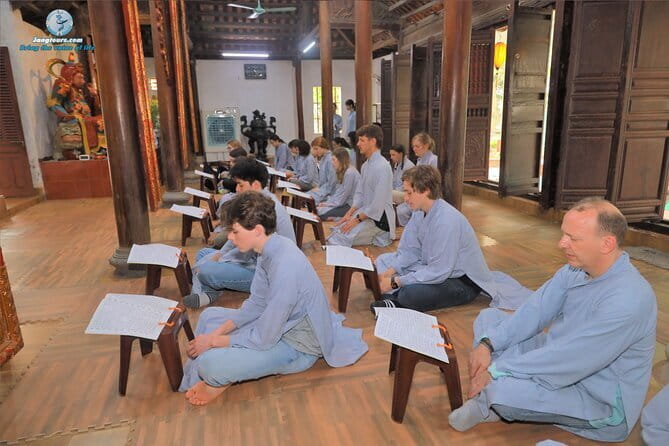
You begin at the pagoda with a welcome and a quick rules lesson. This is more important than it sounds. When you don’t know what’s expected, you end up spending your attention worrying about basics. Here, the guide sets the tone early, so you can focus on the practice.
Then comes the first big ritual moment: chanting sutras that hold Buddhist teachings. Chants can feel intimidating at first—especially if you don’t know the words. But the point isn’t performance. It’s participation in the solemn rhythm of the teachings, with structure to help your mind stop scattering.
After chanting, you move into lessons about profound Buddhist doctrines and how to apply them in daily life. This is where the retreat connects ethics to everyday choices: how you think, how you respond, how you build compassion. You’ll likely leave with ideas you can repeat to yourself later, when your patience gets tested in normal life.
Qigong and mindful breathing: the body-led off switch
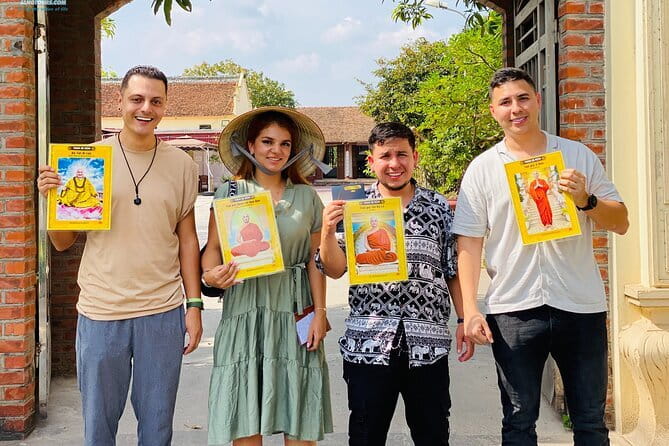
Before the main meditation, you do qigong and mindful breathing for good health. This is a smart start. A lot of people try meditation when their body feels restless. Here, you warm up attention through gentle movement and breath awareness first.
In practice, it works like a mental tune-up. Qigong gives your focus something to track. Mindful breathing gives you an anchor that doesn’t require special beliefs. You can treat it like training wheels for attention: you’re learning how to notice, return, and steady.
You also get tranquil moments that include walking meditation. That combination matters. Sitting meditation is often called the main event, but your attention can get stuck in the stillness. Walking meditation helps you keep awareness while you’re moving, which can feel more realistic for how most of us actually live.
Meditation session: learning the steps behind the calm

The retreat is built around learning meditation methods, not just doing a single “sit.” A key part of the flow is the concept of the art of touching peace. In plain terms, it’s about training your mind to settle and find true happiness through focus.
The guide explains how to focus the mind. You’re not asked to force thoughts away like they’re pests. Instead, you learn a method for attention—one you can reuse outside the retreat if you want.
This is also where you get the lesson feel rather than the “watch and hope” feel. Since you’re taught the correct way to meditate, you’re more likely to understand what you’re doing while you do it. That turns a one-time experience into a transferable skill.
And because it’s a half-day format, you don’t need to master everything. You just need to try the method and feel how it changes your mind’s tempo over a few hours.
Walking meditation: calm you can feel with your feet

Walking meditation is one of the most useful parts of the retreat. It gives you a chance to practice awareness without clenching your legs in a statue pose. When I think about meditation in real life, it’s not only sitting. It’s also waiting, moving through crowds, taking a breath before you react.
This retreat includes quiet walking moments as part of the mindfulness practice. You’re guided to focus while moving, so attention stays connected to the present. It’s also a chance to reset if your mind gets tired from chanting and breathing work.
If you usually find meditation hard because you get bored or fidgety, walking meditation can help. It gives structure to the energy instead of fighting it.






Monk conversation: questions, doctrine, and renunciation as an idea

One of the highlights is the conversation with monks. This isn’t just a photo-op moment. You get to ask and learn more about Buddhist doctrine, including the noble life of people who have renounced worldly pleasures, and the lofty ideals behind that choice.
Even if you don’t follow the same path, hearing how monks interpret values can change how you think about your own life. The retreat frames renunciation not as deprivation for its own sake, but as an intentional shift toward higher ideals.
This part also connects the ritual to meaning. Earlier, you chant sutras and learn ethical lessons. Later, you translate those teachings into conversation—so they stop being just words.
If you’re the type who likes asking questions and thinking deeply, this segment can be the most memorable. If you’re quieter, it can still be valuable because the ideas are explained in a guided, structured way.
Compassion ritual: releasing animals and a grateful vegetarian meal
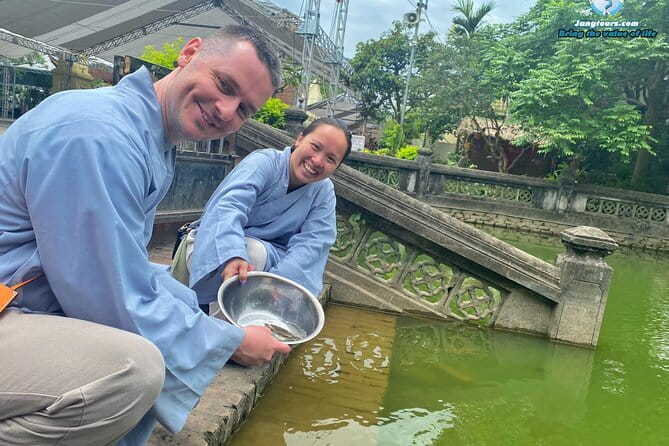
The retreat builds compassion through ritual activities. One of the most distinctive moments is releasing animals. It’s presented as part of the mindfulness-and-compassion practice, tied to ethical teachings and gratitude.
Because this activity involves animals, you might want to keep your questions gentle and practical if something feels unclear. Ask how it’s done and what the guide emphasizes about the meaning. Even a calm, respectful follow-up can help you feel confident you understand the intention behind the ritual.
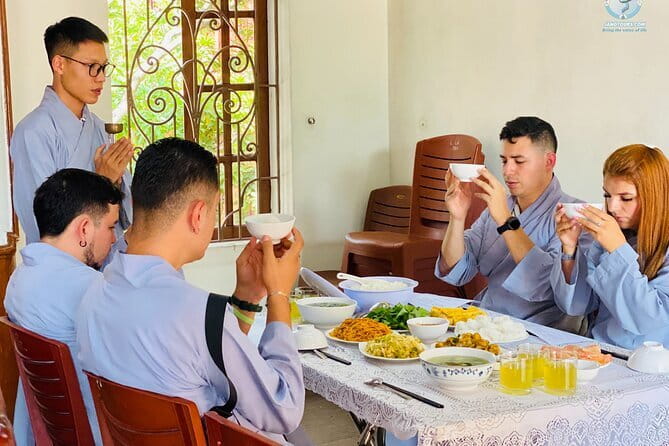
Then you move into a grateful meal: vegetarian food is included for lunch, and there’s also an opportunity to enjoy a grateful meal as part of the compassion flow. Sharing food in a retreat setting matters because it slows you down again after the more active practice.
Vegetarian lunch also makes the experience easier on the stomach during meditation. You don’t want heavy food fighting your focus.
Gifts, wrap-up, and taking the lessons home
The retreat ends with an exchange of gifts and a farewell. It’s a small closure, but it helps you land the experience. You’re not just leaving a location—you’re finishing a shared moment, with a clear “that’s the end” signal.
This kind of ending is surprisingly helpful if you’re trying to integrate a new mental habit. Many people do one-time workshops and then forget them by evening. Here, the structure and closure make it easier to remember the themes: gratitude, loving-kindness, compassion, and a meditation method you learned step-by-step.
If you want to keep the momentum, pick one thing from the session to practice later. For me, it would be mindful breathing or walking meditation, because they’re easier to fit into normal days than a long silent sit.
Price and value: what $60 buys in 4 hours
At $60 per person for about four hours, this retreat sits in the “small-but-focused” category. What makes it feel worth it is that it includes guided instruction, not just entry to a space.
Here’s what you get value from based on what’s included:
- A guided sequence: welcome rules, sutras chanting, doctrine lessons
- Body-and-mind practice: qigong, mindful breathing, walking meditation
- A meditation method lesson: the “touching peace” focus training
- A conversation with monks for doctrine and values
- Vegetarian food for lunch
What’s not included is an air-conditioned vehicle. That doesn’t automatically mean the whole day is uncomfortable, but it does mean you shouldn’t assume you’ll be cooled during transport. If you’re booking during hot weather, factor that in when you plan your day.
Also, the average booking window is 47 days in advance. That’s a useful clue. When something fills up earlier than you expect, it often means demand is steady. If you’re going to Hanoi soon, it’s smart to lock it in rather than hope.
Who should book this retreat (and who may not)
This retreat is a great match if you want:
- A structured introduction to Buddhist meditation methods
- Practice you can reuse: breathing, walking meditation, and a focus approach
- A values conversation through monk dialogue
- A meaningful half-day plan that includes lunch
It may be less ideal if:
- You strongly dislike any movement practices like qigong or walking meditation
- You expect fully air-conditioned comfort as a baseline (since an air-conditioned vehicle isn’t included)
- You want a purely modern wellness class with no ritual components
In other words, if you’re open to chanting and Buddhist teachings, you’ll likely get a deeper experience. If you’re only curious and want a gentle taste, this still works because it’s guided and time-limited.
Tips for getting more from your four hours
Here are practical ways to make the most of the session, without overcomplicating it:
- Arrive ready to participate in rituals. Chanting can be new, but it’s part of the learning.
- During qigong and breathing, don’t try to go perfect. Try to be present.
- For walking meditation, wear shoes that feel stable. You’ll likely appreciate secure footing.
- Since the day includes compassion rituals, keep your attitude respectful and curious, especially around activities like releasing animals.
- If you’re heat-sensitive, plan your clothing and timing with the missing air-conditioned vehicle in mind.
Most importantly: treat this as a workshop for attention. You’re not being graded. You’re learning the method and carrying it out of the pagoda with you.
Should you book this half-day mindfulness retreat in Hanoi?
My take: yes, if you want real instruction. This retreat is built around teaching the meditation method, guiding body-and-breath practices, and connecting it to ethics, compassion, and gratitude. The monk conversation is the kind of element that can turn “a nice day of calm” into “I learned something I’ll think about later.”
Book it if you can handle ritual activities like sutra chanting and if walking meditation and qigong sound manageable. Skip it if your priority is a fully secular, modern wellness-only experience, or if you need guaranteed air-conditioned transport as part of your comfort plan.
If you’re short on time but want something authentic and structured, this half-day retreat is a solid use of your Hanoi hours—quiet, meaningful, and practical enough to take home.
FAQ
How long is the retreat?
It lasts about 4 hours.
Where does the retreat take place?
It takes place in Hanoi, Vietnam, at a pagoda.
How much does it cost?
It costs $60.00 per person.
Is a lunch included?
Yes. Lunch vegetarian food is included.
Do I need a printed ticket?
No. The tour uses a mobile ticket.
What meditation practices are included?
You can expect mindful breathing, qigong, and walking meditation, along with instruction in meditation methods.
Will there be chanting?
Yes. The session includes chanting solemn sutras.
Will I get to speak with monks?
Yes. There is a conversation with monks about Buddhist doctrine and related ideas.
Is animal releasing part of the experience?
Yes. The retreat includes releasing animals as part of the compassion ritual.
Is an air-conditioned vehicle included?
No. An air-conditioned vehicle is not included.