REVIEW · CAT BA
Half day Deep Water Solo
Book on Viator →Operated by catba climbing · Bookable on Viator
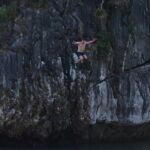
Cliff jumps, with coaching. In Cat Ba, this half-day deep water solo tour takes you from a low warm-up wall to harder routes over the sea, guided moment by moment on how to jump and land safely.
I especially like the way the guides teach technique first, not ego. The basic starting climb (about 5m high, grade 4a) helps you get your bearings fast, then they recommend the next lines on Sea Face (mostly 5a to 6b) depending on your comfort and climbing skills.
One thing to weigh: you need a willingness to jump into the water, and the whole day depends on good weather. If you want zero adrenaline and zero commitment, deep water solo might not be your thing.
In This Review
- Key highlights before you climb
- Sea Face first: warm-up jumps to real routes
- Three Brothers: harder grades, bigger commitment
- Coaching style: shoe fit, jump tips, and route picking
- The boat ride and the 10–15 minute swim break
- Price and value: what $58 covers in the real world
- Logistics you’ll actually feel: timing and meeting point
- Who this suits best (and who might rethink it)
- Practical tips for your best day on Sea Face
- Should you book Cat Ba Deep Water Solo in Cat Ba?
- FAQ
- What’s the duration of the Half Day Deep Water Solo tour in Cat Ba?
- Where do I meet for the tour?
- How much does it cost?
- Is hotel pickup included?
- What’s included in the tour price?
- What climbing levels will I be able to try?
- Is there a low-height option if I don’t want to jump high?
- Do I need to be an experienced climber?
- Do we get time to swim after climbing?
- What happens if the weather is bad?
Key highlights before you climb
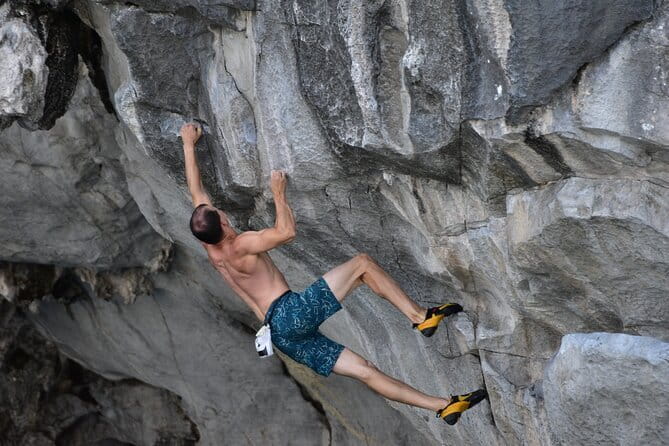
- Two limestone walls in one session: Sea Face, then Three Brothers, with route grades that let you match your level
- Technique-focused coaching on jumping and landing before each attempt
- Route variety including vertical climbs (4a–7a on Sea Face) and traverse options if you’d rather not jump high
- Small group size (max 11), so you get more attention while you’re on the rock
- A short swim-and-relax window on the water afterward, with beers and a chill vibe
Sea Face first: warm-up jumps to real routes
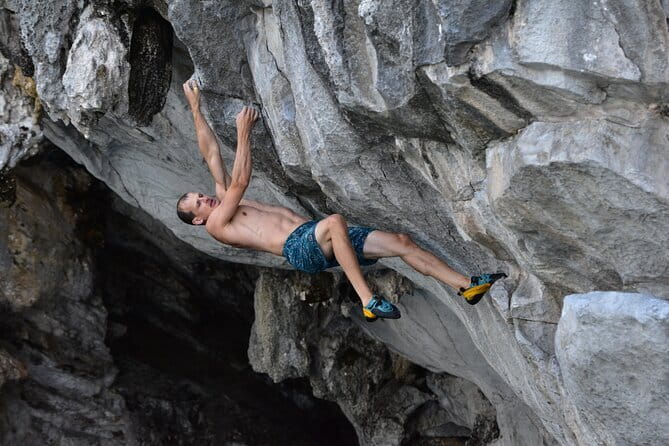
The day starts with a practical little step: you arrive at the meeting spot (120 Núi Ngọc, TT. Cát Bà) about 15 minutes early to get your climbing shoes fitted. That matters more than it sounds. Deep water solo is all about timing and foot placement, and bad-fitting shoes can turn a confident jump into a shaky scramble.
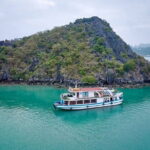
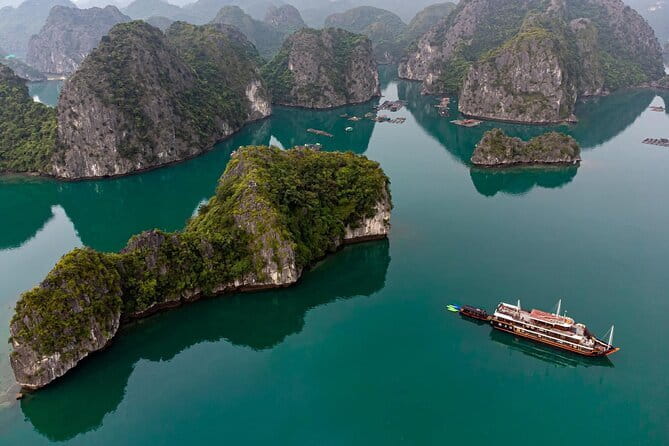
Then you head to the harbor by car, and the boat cruises out to the first climbing area: Sea Face. Before anyone climbs, the guides walk you through the core skills for deep water solo—how to jump, how to land, and what to watch for as you come off the wall. This is one of the main reasons this half-day format works so well. You’re not just getting routes; you’re getting the mechanics that let you try harder options without panicking.
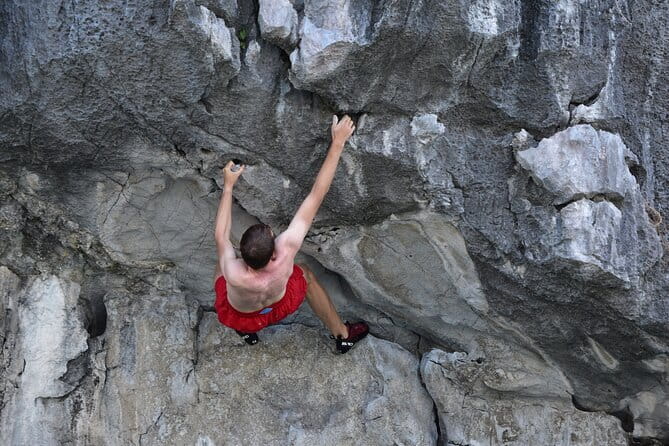
From there, you start with a basic route as a feel-for-it warm-up: grade 4a, about 5m high. It’s not designed to test you. It’s designed to teach your body what the jump looks and feels like. You learn how to step off without freezing, and how to stick your landing (and your confidence) when your mind expects to hit rock.
Once you’re comfortable, the guides keep dialing in your next try. There are roughly 15 routes at Sea Face, graded from 4a to 7a, and the majority land in the sweet spot of about 5a to 6b. That range is ideal for many people because you can climb something you’ll enjoy without feeling like you have to be a gym-boulder robot.
If you’re not sure about height, you still have options. The setup includes traverse routes, which are a smart way to get on limestone and move your feet without committing to the highest jumps. It’s also a good choice if you’re strong on technique but still building comfort with the water.
You can also read our reviews of more tours and experiences in Cat Ba.


Three Brothers: harder grades, bigger commitment
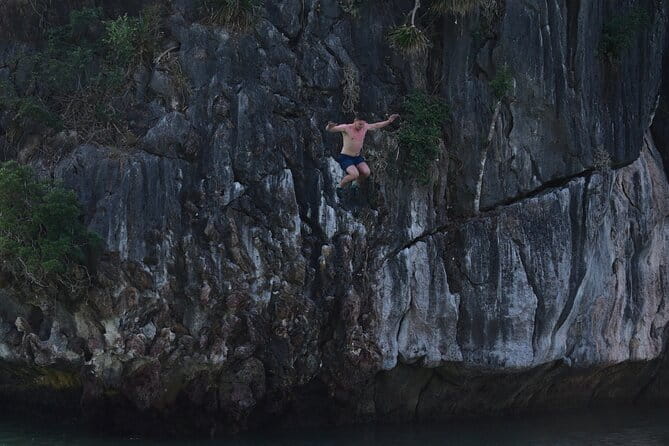
After Sea Face, you cruise to the second wall: Three Brothers. This is the step up. It’s described as harder, and the grades show it. You’ll have about 17 routes here, graded from roughly 5b to 7c+.
This wall is where you’ll feel the difference between deep water solo that’s just fun versus deep water solo that asks for focus. Even if you only climb the easier lines on Three Brothers, you’ll likely notice the increased seriousness in body position and movement choices. The guides still coach you before each climb—name, grade, and the harder moves to expect—so you’re not walking onto the wall blind.
One of the nice parts of having this structure is that you can pace your day. If you feel great after Sea Face, you can push up into harder territory. If you’re still learning your comfort level, you can stay in the middle grades and concentrate on clean movement and steady jumping. Either way, you’re using the same coaching system across both walls, which makes the progression feel controlled, not random.
Coaching style: shoe fit, jump tips, and route picking
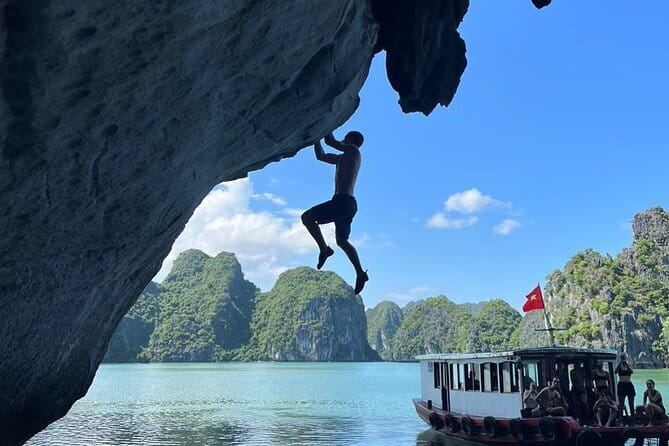
The coaching is the core of why this tour earns a strong reputation. You see it immediately in the shoe fitting before you even touch rock, then again when the guides explain the jumping and landing technique at Sea Face and walk you through what to expect before each climb.
People also mention specific guides who are friendly and hands-on. Names that come up include Tinh, Hai, Mik, Mikey, and Ting. The common thread is that the instruction is approachable: you get encouragement without feeling rushed, and you get practical details like what movement will be tricky on a given route.
Before each climb, they tell you:
- the route name
- the grade
- the harder movements you might need
That pre-game briefing is genuinely useful. Deep water solo is mentally different from climbing indoors. You’re planning your body moves while also thinking about the jump timing. Having a heads-up about the hard move helps you commit with less guesswork.
And once you finish each climb, the guide’s route recommendation keeps you moving through a good variety—beginner-friendly attempts early on, then intermediate to advanced options as your comfort builds. For many people, that’s the difference between a tour that feels like a checklist and a tour that feels like you’re actually learning.
The boat ride and the 10–15 minute swim break
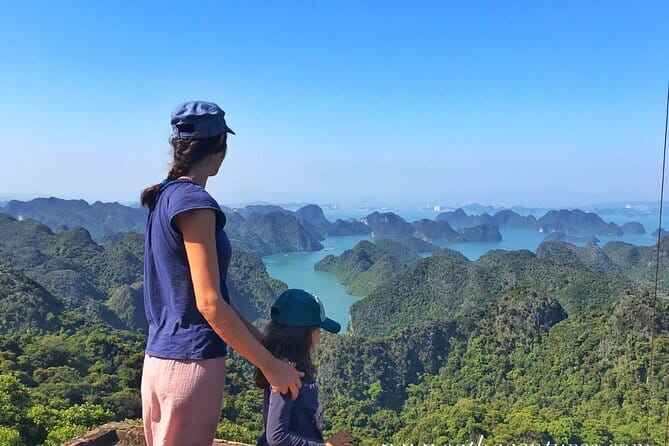
Between climbing blocks, you’re on the boat, cruising between walls. That isn’t just transport. It gives your legs a reset and gives your brain a breather after the technical work on the limestone.
After the climbing finishes, you get about 10 to 15 minutes to go swimming, then you can have some beers and chill before cruising back to the harbor. That short break is a smart design choice for a half-day tour: you get a payoff without dragging the schedule into a full day.
Also, water time can help you shake out the adrenaline. Deep water solo asks for nervous-system control. Jumping, landing, then repeating is intense in a good way, but it’s still a lot. A quick swim and calm conversation on the boat is an easy way to come down from that high.
Price and value: what $58 covers in the real world
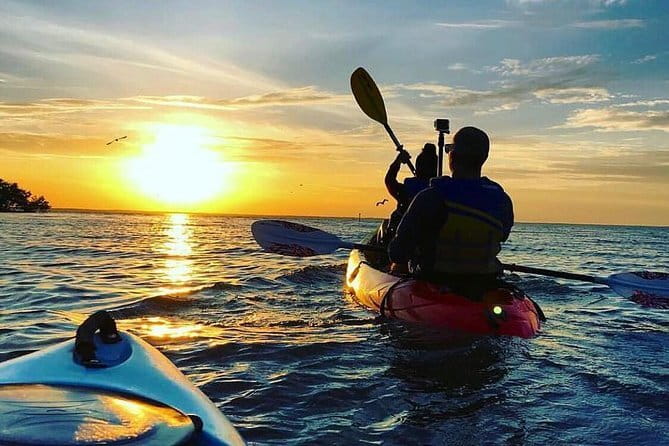
At $58 per person, you’re paying for more than “access to cliffs.” This price includes:
- boat & entrance ticket
- experienced climbing guides
- climbing shoes
- chalk
- taxi to/from harbor
- 2 drinks and fruits
If you’ve ever priced climbing instruction separately, you’ll realize this is a bundled deal: you get two areas, coaching across multiple routes, and the equipment basics handled for you.
The other value piece is the route spread. Sea Face gives you lots of climbs across a wide grade range (4a to 7a), and Three Brothers ups the intensity (around 5b to 7c+). That gives you a real chance to find your level without feeling like you wasted the day on only one type of route.
There’s one cost note to keep in mind: hotel pickup/drop-off isn’t included. You’ll start and end at the meeting point, so you’ll want to plan your own way there and back.


Logistics you’ll actually feel: timing and meeting point
This is a half-day, about 5 hours total. Because you arrive for shoe fitting about 15 minutes early, the “real day” starts even before the boat leaves.
The meeting point is at 120 Núi Ngọc in Cat Ba town (TT. Cát Bà). The tour doesn’t pick you up from hotels, so you’ll need to factor in getting to that location. Once there, you’re taken to the harbor by car, and you return back at the end of the activity.
Group size is capped at 11 travelers. Smaller groups tend to mean you spend less time waiting and more time climbing, which matters a lot when each route attempt is a mental reset.
You’ll also use a mobile ticket, so make sure you have it available on your phone when you arrive.
Who this suits best (and who might rethink it)
This deep water solo tour is best for people who want an active, coached adventure and don’t mind a bit of water at the end of each move.
You’ll likely enjoy it if you:
- can handle moderate physical effort
- enjoy climbing or want to try climbing with real instruction
- like the idea of routes over water where the “protection” is the sea itself
- want a guided progression from easy to harder grades
It may feel less ideal if:
- you’re strongly uncomfortable with heights or jumping
- you want a purely scenic boat day with zero commitment
- you’re arriving with no interest in learning landing mechanics
The tours are designed with different skill levels in mind, including beginner-friendly starting climbs and routes that stretch into advanced grades. But the nature of deep water solo still requires that basic consent: you have to be willing to jump when the plan calls for it.
Practical tips for your best day on Sea Face
Without getting too technical, here are the practical things that help deep water solo go from scary to fun.
First, treat the shoe fitting as part of the climb, not a formality. If you feel pressure points or poor grip, say something. Good shoes make good foot placement easier.
Second, listen closely during the jump-and-landing instruction. Deep water solo isn’t about “send it and hope.” It’s about using technique so your body doesn’t hesitate mid-air. Your best results come when you trust the steps you practiced on the lower climb.
Third, use the traverse option mindset if you’re nervous about jumping higher. You still get movement and limestone experience. You’re not failing by choosing a different style of route. You’re learning the right sequence for your comfort level.
Finally, pace yourself across the two walls. Sea Face is your learning ground. Three Brothers is your test of how well you kept your calm. If you go hard too early, the late afternoon routes can start to feel like a grind.
Should you book Cat Ba Deep Water Solo in Cat Ba?
If you want one of the more memorable ways to climb in Vietnam, this half-day deep water solo is a strong pick. The coaching is the selling point: you get technique guidance before each attempt, a clear progression from 4a warm-up to the higher-graded lines on Sea Face and Three Brothers, plus an easy wind-down with a swim and chill time.
Book it if you’re curious, you’re willing to jump, and you want instruction that actually helps you climb better.
Skip it if the idea of jumping off a wall makes you tense in a way you can’t manage. Also note it’s weather dependent, so if the forecast looks rough, your plan might change.
If you’re on the fence, I’d lean toward trying it. With the shoe fitting, the guided warm-up, and multiple route options—including traverses—this format gives you more than one way to have fun and improve.
FAQ
What’s the duration of the Half Day Deep Water Solo tour in Cat Ba?
It’s about 5 hours (approx.).
Where do I meet for the tour?
Meet at 120 Núi Ngọc, TT. Cát Bà, Cát Hải, Hải Phòng 180000, Vietnam.
How much does it cost?
The price is $58.00 per person.
Is hotel pickup included?
No. Hotel pick up/drop off is not included. The tour starts and ends back at the meeting point.
What’s included in the tour price?
Included: boat & entrance ticket, experienced climbing guides, climbing shoes, chalk, taxi to/from the harbor, and 2 drinks and fruits.
What climbing levels will I be able to try?
Sea Face has about 15 routes graded from 4a to 7a (mostly around 5a to 6b). Three Brothers has about 17 routes graded from 5b to 7c+.
Is there a low-height option if I don’t want to jump high?
Yes. There are traverse routes for people who don’t want to jump from too high.
Do I need to be an experienced climber?
No experience level is stated, but you should have moderate physical fitness. The tour starts with an easier climb (4a, about 5m high) so you can get the feel for jumping and landing.
Do we get time to swim after climbing?
Yes. After finishing the climbs, you have about 10–15 minutes to go swimming, then you can have beers and chill.
What happens if the weather is bad?
The activity requires good weather. If it’s canceled due to poor weather, you’ll be offered a different date or a full refund.