REVIEW · HANOI
From Hanoi: Sapa 2D1N Homestay overnight by Morning bus
Book on GetYourGuide →Operated by Mountain Light Homestay · Bookable on GetYourGuide
If you like walking plus real village life, this fits. You’ll take a modern bus ride to Sapa, then spend two days on village trails between H’mong, Dzao, Tay, and Red Dao communities, finishing with a homestay evening and spring roll cooking.
I like how the schedule gives you actual time in the villages (not just a photo stop), and I like that you get an English-speaking guide once you’re in Sapa. One thing to consider: the trekking is not short and easy, and you should be ready for cold, fog, and some pushy sales moments in villages.
In This Review
- Key Things I’d Plan Around
- Morning Bus to Sapa: Comfort First, Steps Later
- Sapa Town Welcome: Ethnic Clothing, Briefing, and Lunch Timing
- Trek Day 1: Y Linh Ho to Lao Chai, Then Ta Van by Late Afternoon
- A quick reality check on hiking
- Ta Van Homestay Night: Spring Rolls, Local Dinner, and Real Downtime
- Trek Day 2: Giang Ta Chai and Supan Villages, plus a Red Dao Culture Focus
- Village Shopping Reality: How to Handle Sales Pressure Without Killing the Mood
- Price and Value: What $60 Really Covers
- Weather and Trail Conditions: Why Fog Changes Everything
- Guides That Make It Work: Phinh and Chin in the Story
- Who This Trek Is Best For (and Who Might Not Love It)
- Should You Book This Hanoi to Sapa 2D1N Homestay Trek?
- FAQ
- How do I travel from Hanoi to Sapa?
- What trekking distances are included?
- Where do I stay overnight?
- Is there an English-speaking guide?
- What meals are covered?
- Does the tour include entrance fees?
- What should I pack for cold or foggy weather?
Key Things I’d Plan Around

- A full trekking total of about 17 km across both days, with village-to-village walking
- Ta Van homestay + spring roll cooking class, so you’re not just hiking and leaving
- Village entry through the Muong Hoa valley via a small tunnel or bridge moment
- Red Dao culture stop at Giang Ta Chai, including customs you’ll learn on the walk
- Modern sleeper bus up and back, which matters when your day starts at 6:00 AM
- Warm layers for fog and cold, since the route can feel raw in weather like that
Morning Bus to Sapa: Comfort First, Steps Later

This trip starts early. You’re picked up from your Hanoi hotel between 6:00–6:30 AM, then travel toward Sapa using a new highway. There’s a pit stop for a breather, and the idea is to get you to Sapa without frying your first day before you even walk.
The overnight part is handled by a sleeping bus ticket Hanoi–Sapa–Hanoi with modern facilities. That’s a real value point: long-distance transport can eat your energy, and on a trekking itinerary you want your legs to show up on Day 1. One review mentioned weather turning cold and foggy, but the tracking was still good—so the driver and guide side seems organized even when conditions change.
One practical tip: even if the bus is comfortable, you’ll still want a light bag ready for the trek day—water, a warm layer, and anything you need to stay calm on rough, cool mornings.
A few more Hanoi tours and experiences worth a look

Sapa Town Welcome: Ethnic Clothing, Briefing, and Lunch Timing

You arrive in Sapa town around 13:00–13:30. That timing is useful. It’s not the start of the hike, but it’s enough daylight for a quick orientation and a first taste of the local mix.
You’ll take in traditional costumes of H’mong, Dzao, and Tay ethnic people, then you get welcome drinks, an itinerary briefing, and lunch. Lunch is included, and it’s the sort of meal that matters before you head into the hills—because if you’re underfed, every kilometer feels longer.
If you’re the type who likes to get oriented fast, Sapa town on Day 1 is a good setup. You’re not doing the whole day in transit; you’re landing, learning the plan, and then getting moving.
Trek Day 1: Y Linh Ho to Lao Chai, Then Ta Van by Late Afternoon

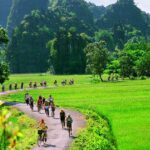
Day 1 is built around steady village-to-village movement. After lunch and the orientation, you start trekking toward Y Linh Ho village—about 6 km—then continue another 3 km to Lao Chai village. By the time you’ve reached the Lao Chai area, you’ll have enough momentum to feel like you’re really in the Sapa route, not just walking around the edges.
What I like about this structure is that it gives you two different village segments before the evening homestay. You’ll likely notice changes in the way paths run, how the terrain feels, and how village life shows up along the way.
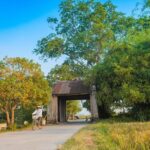
Then comes a key route moment: you’ll cross a small tunnel or bridge to enter the Muong Hoa valley and eventually reach Ta Van village by around 16:00. That valley transition is one of those travel details that makes the walk feel like it’s leading somewhere, not just “up and down with stops.”
Why it’s valuable: Ta Van is where you slow down. If the first day is about movement, this afternoon arrival is about settling into a community rhythm—so the next parts don’t feel rushed.
A quick reality check on hiking
One review flagged fitness as important and basically said: yes, you walk plenty. That matches the distances. Total Day 1 is around 9 km plus elevation and trail conditions. If you’re expecting a relaxed stroll, you’ll probably be disappointed. If you can handle moderate trekking, you’ll likely enjoy the views and the village atmosphere more.
Ta Van Homestay Night: Spring Rolls, Local Dinner, and Real Downtime
Once you reach Ta Van, you check in at a homestay in the village area. This is included for one night, and it’s one of the main reasons the price works. You’re paying for transport, guiding, meals, and this overnight experience—not just a hike with a bus ride.
That night includes a cooking class focused on making Vietnamese spring rolls, plus dinner with local dishes. This is the kind of activity that turns a trek into a lived-in memory. You learn something practical you can cook again later, and you get to share a table with a rhythm that’s different from restaurants.
If weather has turned cold or foggy, the homestay evening matters even more. You’re not stuck watching the sky; you’ve got food, a task, and the chance to warm up and slow down.
One more note from a review: the homestay and group people were described as lovely. That’s the social side of these trips—your day is scheduled, but the atmosphere on the overnight is still personal.
A few more Hanoi tours and experiences worth a look
- Doris Cruise 5 star cruise 2 days visiting Halong Bay Lan Ha Bay private balcony
★ 5.0 · 2,338 reviews





Trek Day 2: Giang Ta Chai and Supan Villages, plus a Red Dao Culture Focus
Day 2 starts with breakfast at the homestay, then trekking continues. You’ll visit Giang Ta Chai village and Supan village, covering about 8 km. This day is shorter than Day 1 by distance, but it still asks for real walking time.
The cultural emphasis here is on Red Dao people. You’ll explore their customs and traditions at Giang Ta Chai. That’s a meaningful difference from Day 1. Day 1 gives you costume impressions and initial village walking. Day 2 specifically targets how one community lives and organizes traditions.
At noon, you get lunch at a local restaurant. Then you relax before the return pickup.
By 14:00, a car brings you back to Sapa Town. You then meet the group at the hotel and board the bus back to Hanoi, departing between 15:00–15:30 and arriving around 21:30.
Village Shopping Reality: How to Handle Sales Pressure Without Killing the Mood

One review didn’t recommend the tour because of pushy selling by some local women during the village walks. I’m going to be direct here because it affects how you’ll enjoy the experience.
In village trekking areas, sales can happen often—food, crafts, souvenirs, and photos. Sometimes it’s friendly. Sometimes it becomes persistent. If you’re sensitive to that kind of attention, decide in advance how you’ll respond:
- If you want to buy, buy early so you don’t feel rushed later.
- If you don’t, be clear and keep moving. You’re on a trail with a planned route.
This isn’t something you can fully control, but you can control your own pace and boundaries.
Price and Value: What $60 Really Covers
At $60 per person, this is priced like a budget-to-mid group trek. Here’s what helps it feel like value:
Included:
- Modern sleeping bus round trip between Hanoi and Sapa
- English-speaking tour guide during the trip in Sapa
- 1 night homestay in Ta Van
- Meals: 2 lunches, 1 dinner, 1 breakfast
- All entrance tickets as in the itinerary
Not included:
- Government tax
- Beverages
- Single supplement
- Travel insurance
- Items not clearly stated
- Private rooms
- Public holiday surcharge
The main value is the combination: transport + guide + homestay + meals + entrance fees. If you tried to build this yourself with separate bus tickets, a guide, and lodging, you’d likely spend more or end up with less structure.
So the price makes sense if you’re happy with group trekking, shared homestay style, and included meals. If you want privacy (private rooms) or you’re very picky about hiking pace, that’s where the cost can start feeling less fair.
Weather and Trail Conditions: Why Fog Changes Everything

One of the reviews mentioned cold and fog. That matters in Sapa. Fog can reduce visibility, make surfaces slick, and increase the feeling of chill during pauses.
You can’t predict the weather day by day, but you can prepare:
- Pack a warm layer and a rain shell.
- Wear shoes you trust on uneven ground.
- Bring a hat or hood for mist.
- If visibility drops, rely on the guide and stay close on turns.
The good news: the same review praised tracking despite bad weather. That suggests the route management is solid even when conditions aren’t postcard perfect.
Guides That Make It Work: Phinh and Chin in the Story

A tour is only as good as the people running it, and the reviews give you two useful names. One review praised Phinh, calling her kind, helpful, and super informative, with a memorable hike. Another review praised Chin as excellent, especially for the pickup/transfer side.
Even if you don’t get the exact same guide, this tells you the provider is investing in competent people. Since the tour includes an English-speaking guide in Sapa, you’re not stuck guessing at village context while you hike.
Who This Trek Is Best For (and Who Might Not Love It)
This experience fits you if:
- you enjoy moderate trekking and don’t mind walking multiple village segments
- you want a homestay night with an included activity (spring roll cooking)
- you like cultural contact that includes real community stops, including Red Dao customs
- you can handle group travel and a scheduled pace
You might want to skip or choose a different style if:
- you hate sales pressure and don’t want interactions that could feel persistent
- you don’t have basic trekking fitness (reviews explicitly point out you need to be ready to walk a lot)
- you need guaranteed quiet and privacy (homestay is shared, and private rooms aren’t included)
Should You Book This Hanoi to Sapa 2D1N Homestay Trek?
I’d book this if you want a structured, value-heavy way to get from Hanoi to the Sapa village routes and back, with a real night in a homestay and a cooking class that adds something practical to the trip. The combo of modern sleeper bus, English guide, meals, and Ta Van overnight is what makes the price feel fair.
I wouldn’t book if trekking sounds like suffering to you, or if you know you strongly dislike being approached for sales during village visits. If you can handle a bit of that and you’re prepared for moderate hiking, you’ll likely get a trip that feels more like a route through communities than a checklist tour.
FAQ
How do I travel from Hanoi to Sapa?
You’re picked up from your Hanoi hotel between 6:00–6:30 AM, then travel to Sapa by road. The trip includes a sleeping bus ticket for Hanoi–Sapa–Hanoi with modern facilities.
What trekking distances are included?
Day 1 includes about 6 km to Y Linh Ho and 3 km to Lao Chai. Day 2 includes about 8 km trekking to Giang Ta Chai and Supan.
Where do I stay overnight?
You stay one night at a homestay in Ta Van village.
Is there an English-speaking guide?
Yes. An English-speaking tour guide is included during the trip in Sapa.
What meals are covered?
Meals included are 2 lunches, 1 dinner, and 1 breakfast.
Does the tour include entrance fees?
Yes, all entrance tickets listed in the itinerary are included.
What should I pack for cold or foggy weather?
The data mentions cold and fog in at least one instance, so plan for warm layers, and wear shoes suitable for uneven trail conditions.

More 2-Day Experiences in Hanoi
- Doris Cruise 5 star cruise 2 days visiting Halong Bay Lan Ha Bay private balcony
★ 5.0 · 2,338 reviews