REVIEW · HOI AN
Discover Traditional Silk Process in Hoi An Silk Village
Book on GetYourGuide →Operated by Viet Nam Happy Travel · Bookable on GetYourGuide
Silk-making starts with humble worms. This quick stop at Hoi An Silk Village turns Central Vietnam’s craft tradition into something you can actually see and understand, from mulberry growing to the thread work behind traditional garments. You’ll get a guided path through the sericulture process, plus a short story lesson on why this craft matters in Hoi An.
I especially like the way the tour connects nature and labor: you visit mulberry gardens and then a silkworm-breeding house where feeding and cocoon handling make sense in real time. I also love the practical explanation, from how cocoons become usable silk thread to live weaving activity you can watch without feeling rushed.
One consideration: this is a small, indoor-and-courtyard style experience, so it may not feel like the best fit if you want tons of variety in merchandise or you dislike a close-up look at parts of the process. If you’re sensitive to the fact that silk extraction involves cocoon handling, plan your mindset before you go.
In This Review
- Key points to know before you book
- Why This Hoi An Silk Village Stop Matters
- Price and Time: Is $11 Worth 50 Minutes?
- Quang Nam Welcome: The Traditional House Craft Sericulture Story
- Mulberry Gardens and Silkworm Breeding House: The Source of the Thread
- Unraveling House: From Cocoon to Silk Thread
- Traditional Weaving and the Champ Craft Connection
- Pure Silk vs Fake Silk: How to Shop Without Getting Lost
- Guide Quality, Group Size, and the Pace You’ll Feel
- Practical Stuff: Where to Meet and What to Wear
- Should You Book This Traditional Silk Process Tour?
- FAQ
- How long is the Traditional Silk Process tour?
- What does the tour cost?
- Where is the meeting point?
- What’s included in the price?
- What should I bring?
- Are there restrictions on bags?
- Is the tour wheelchair-accessible?
- What is the cancellation policy?
Key points to know before you book
- Mulberry first: you learn why the plant matters, not just the finished fabric.
- Hands-on clarity: the step from cocoon to thread gets explained in a way that clicks fast.
- Live weaving in action: watch workers make fabric with traditional methods.
- Pure-silk vs fake-silk talk: you leave with shopping guardrails, not just photos.
- Short and focused: plan on about 50 minutes, so it fits almost any day plan.
- Guide quality matters: English instruction varies by group, and guides like Thu and Tsu have been praised for easy understanding.
Why This Hoi An Silk Village Stop Matters
Hoi An’s silk world can look like a shopping mall if you show up cold. This tour prevents that. It starts where silk actually begins: with mulberry trees and the silkworm life cycle that depends on them. That’s the big value—understanding the craft at the source, not just seeing the final shirts, scarves, and bolts.
The village also preserves a handmade approach linked to older regional weaving traditions from the Champa–Dai Viet era. You’re not only looking at modern production. You’re learning how traditional silk construction was done, and why a place like this keeps repeating the process the same way over generations.
I like that you’re shown the logic of the system. Mulberry growing isn’t random. Cocoon handling isn’t random. And weaving isn’t magic. The tour makes the chain feel connected, so you’re not just buying something that looks pretty—you understand what you’re paying for.
You can also read our reviews of more tours and experiences in Hoi An.


Price and Time: Is $11 Worth 50 Minutes?
$11 for a 50-minute guided experience is pretty fair in Hoi An, especially because you get an English-speaking guide, entrance fee covered, and a bottle of water. This isn’t a long half-day workshop, and that’s a plus if your schedule is tight. You get the core story beats without turning silk-making into a full-day project.
The real question for value is what kind of traveler you are. If you want a quick education plus a chance to shop wisely, this is a strong fit. If you want a long, deep hands-on class where you do everything yourself, you might feel the time is short. Most people find the pacing calm and readable, but it’s still a concentrated hour.
Also note what’s not included. There’s no hotel pickup or drop-off, and meals are not included. You’ll want to plan to meet at the address provided (28 Nguyen Tat Thanh) and go from there. The good part: once you’re on-site, the experience stays straightforward.
Quang Nam Welcome: The Traditional House Craft Sericulture Story
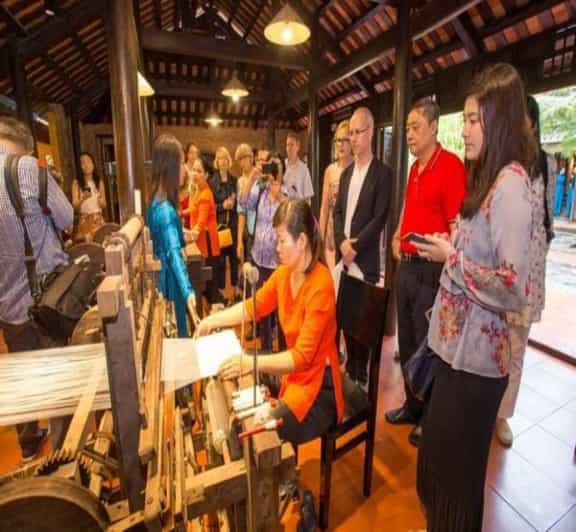
The tour opens with a welcome drink, then you head to a traditional house in Quang Nam. This stop works like a warm-up scene. You listen to the story of craft sericulture and how mulberry growing connects to the wider textile tradition in Central Vietnam.
This is a useful setup because silk can feel like a single product when you’re only shopping. Here, it’s framed as a whole process with people behind it. Guides have been praised for clear English, including Thu and Tsu, so the “why” lands quickly rather than getting lost in translation.
If you’re short on time in Hoi An, this early story helps. It gives you context before you see the mulberry and the worms, so you’re not just collecting facts—you’re building a mental map.
One practical note: schedules can shift a bit when school groups arrive. In at least one case, the tour was delayed, and staff kept the situation clear and apologetic. If you’re on a tight itinerary, keep a small buffer around the start time.
Mulberry Gardens and Silkworm Breeding House: The Source of the Thread
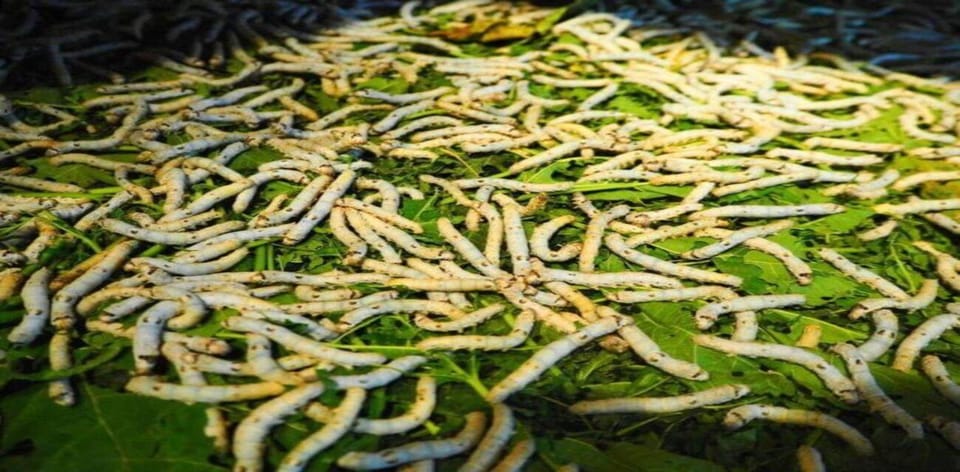
This part is the reason I think the tour is more than a storefront visit. You step into the mulberry garden environment and then move into the silkworm-breeding house, where feeding and cocoon growth are shown through the lens of traditional practice.
You’ll learn how silkworm care works in a real, observable way—what the worms eat and how the cycle progresses. That matters, because silk quality depends on the health and timing of the process. When you understand that, you start to read fabric differently at the shop.
Then comes the key moment: the tour explains how cocoons are cultivated and how silk cocoons are removed and handled using traditional methods. This is where the experience feels very real. One of the most-liked moments is seeing silk extraction from cocoons, with the trade-off that the silkworm does not survive the process.
If that detail makes you squeamish, consider it before you go. If you can handle it, you’ll probably find it educational and honestly fascinating because it shows the full chain from life cycle to textile.
Unraveling House: From Cocoon to Silk Thread
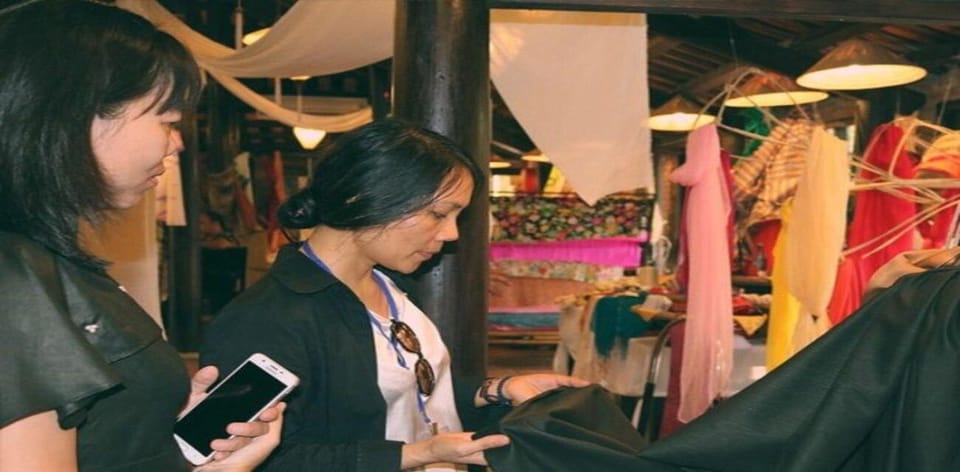
Next, you move into the unraveling stage. This is the step that turns something fragile—cocoons—into usable silk thread. The tour explains how to get silk thread from the cocoon so it can be woven into fabric.
This is where a lot of silk making tours stay vague. Here, the explanation is specific enough that you can picture what’s happening. Even when you’re not a textile person, you can connect the dots: the thread has to be made consistent enough for weaving.
I like this section because it’s practical. It also makes the later weaving demos feel meaningful instead of decorative. You’ll watch the weaving and think, ah, this is why the thread needs to be prepared that way.
And yes, it’s still short. The guide has to move you efficiently through multiple areas in about an hour total. So come with a curious attitude, not a need to study every detail for a long time.






Traditional Weaving and the Champ Craft Connection
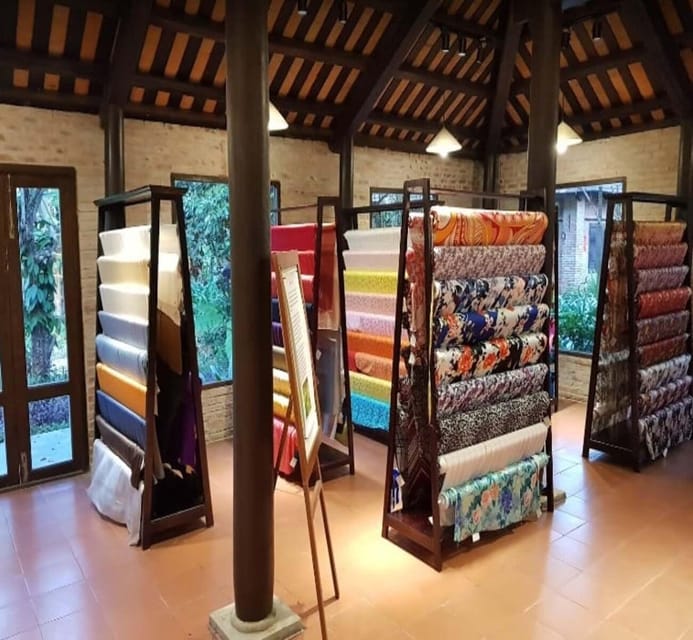
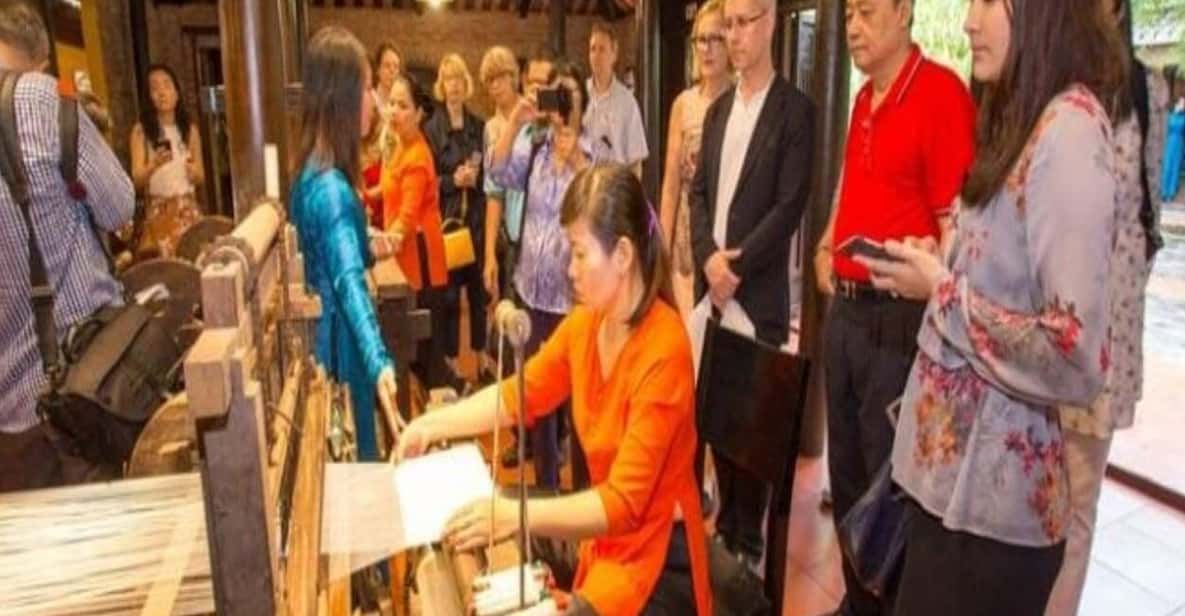
The weaving part is where you see the craft on human hands. You’ll witness workers weaving silk into fabric, plus you’ll learn about traditional textiles as you visit the weaving house.
The tour also points to the handicrafts and traditions linked to the Champ people, tying the handmade method to older regional roots. Even if you don’t know much about the history, you can appreciate the craft logic—how patterns and fabric construction reflect a long-standing skill set rather than a factory shortcut.
In the best moments, the guide is patient with questions. Several people highlighted how informative and calm the guidance was, especially for viewers who asked lots of follow-ups. If you like asking why certain steps are done, this part rewards you.
One more small perk: there may be a cafe on-site, which can help you settle your day after the tour. It’s not part of the included cost, but it’s convenient if you’re planning around Hoi An’s heat and walking distances.
Pure Silk vs Fake Silk: How to Shop Without Getting Lost
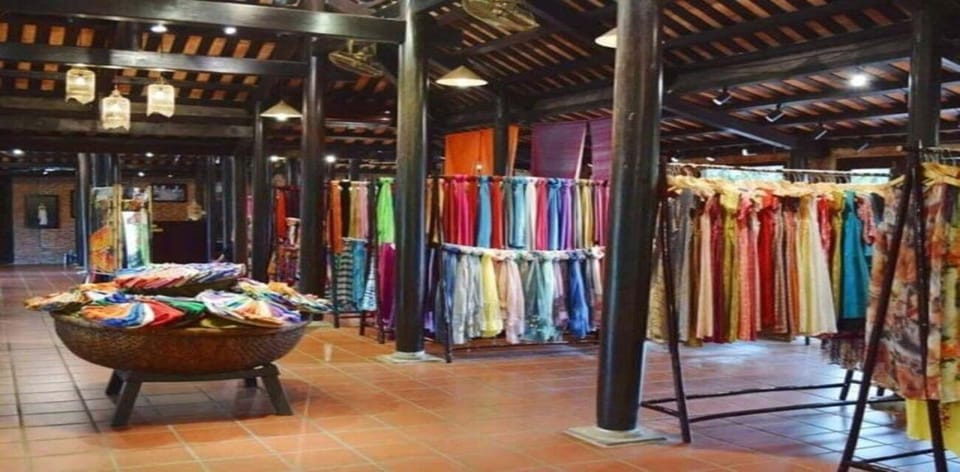
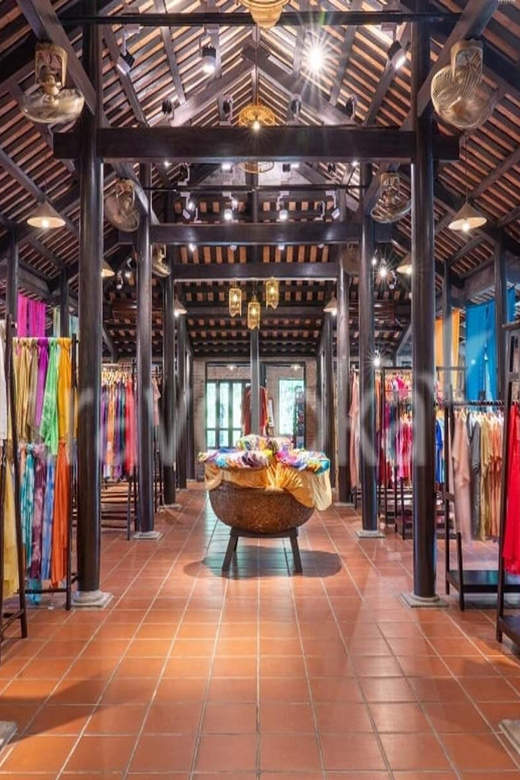
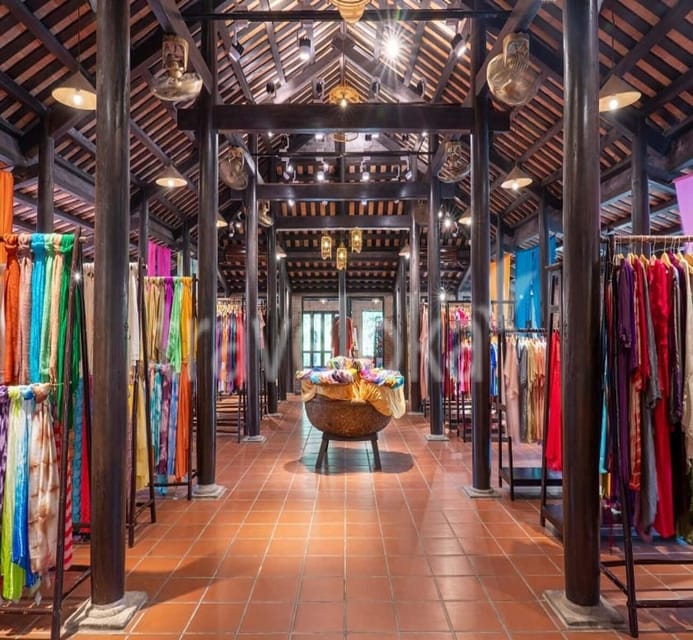
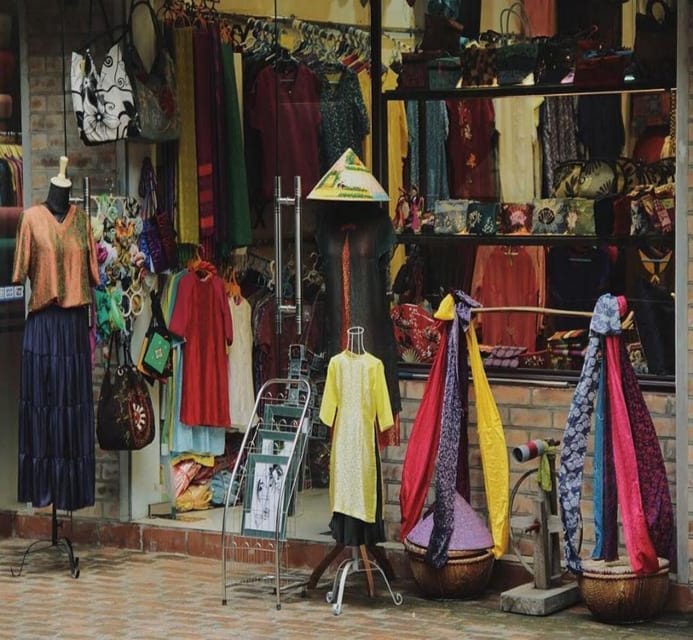
The final portion shifts into the exhibition and shopping zone. This is not just “buy things.” You learn the difference between pure silk and fake silk fabric. That education is the real reason many people end up satisfied with their purchase.
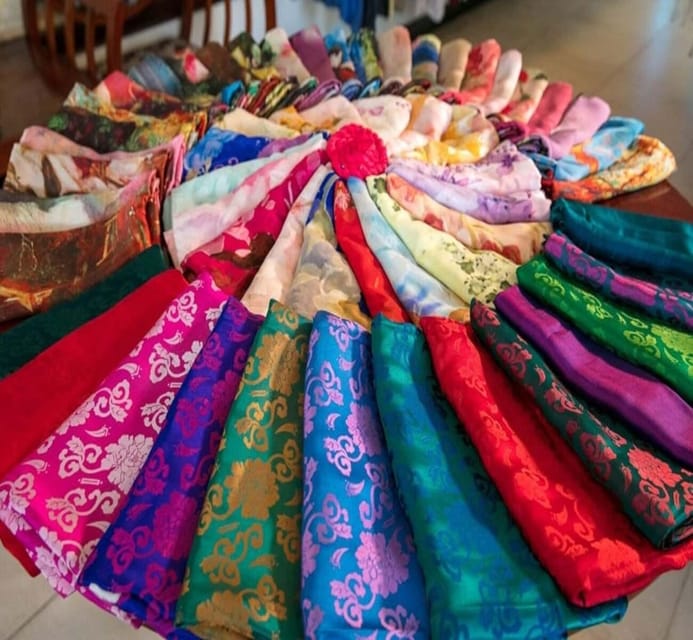
Once you know what you’re looking for, you can shop with more confidence: you’ll pay attention to the feel and the explanation you heard during the tour. And yes, the shop is part of the experience. Several people said they bought 100% silk here, including silk shirts, and they felt the quality was worth it.
Still, there’s a shopping reality check. If your taste is very specific—color palettes, pattern style, and print variety—one person noted the print selection felt messy and limited. That’s a fair consideration. If you care about design more than fabric education, plan to browse with a clear eye and don’t assume every style will match what you want to gift.
If you’re tailoring in Hoi An, this is also a smart moment to get your fabric questions answered. You’ll know what you’re asking for when you move to the next step in your clothing plan.
Guide Quality, Group Size, and the Pace You’ll Feel
The tour runs with an English-speaking guide and is designed to be easy to follow. Guide performance has been a standout theme—people praised English that was easy to understand, and they specifically named Thu and Tsu as excellent.
Group size also affects comfort. One person described the group as very small, with limited room in some buildings. That often makes the experience feel more conversational and less like you’re being herded. Even so, the site includes interior spaces where movement is naturally constrained, so you’ll want to wear comfortable clothes and be ready for a bit of “pass through and look” pacing.
Timing is tight by design. You’re not going to wander for an hour on your own. You get the guided path, then shopping time. If you want lots of unstructured time, you might feel you’re being pushed along. If you like structure, you’ll probably appreciate the focus.
Practical Stuff: Where to Meet and What to Wear
This tour is built for a simple on-site experience. You meet at 28 Nguyen Tat Thanh, Hoi An, Quang Nam, Viet Nam. You’ll want to inform your name at reception to confirm the booking.
Wear comfortable shoes. The tour includes garden and indoor movement, and you’ll be standing during demonstrations. Bring comfortable clothes too; this area can be warm, and you’ll be moving in and out of rooms.
Don’t bring luggage or large bags. The policy is clear, and it’s a good idea anyway since the space isn’t made for bulky storage.
If you have mobility impairments or use a wheelchair, the tour is not suitable. The buildings and layout mentioned in feedback suggest steps and limited room in certain sections.
Should You Book This Traditional Silk Process Tour?
Book it if you want an efficient, meaningful silk education that fits into a day in Hoi An. At $11 with an English guide, entrance included, and a clear 50-minute format, it’s strong value for people who like to learn the story behind what they buy.
Skip it or rethink it if you need lots of unstructured time, want a full hands-on workshop where you do everything, or you’re uncomfortable with the cocoon-to-thread reality of silk production.
My advice: come with one goal. Either (1) learn how silk is made so you can shop smarter, or (2) go for the weaving demo and fabric education without expecting a long class. If that matches your mood, this is a very solid stop.
FAQ
How long is the Traditional Silk Process tour?
The tour lasts 50 minutes.
What does the tour cost?
It costs $11 per person.
Where is the meeting point?
You meet at 28 Nguyen Tat Thanh, Hoi An, Quang Nam, Viet Nam. Let reception know your name to confirm your booking.
What’s included in the price?
The price includes an English-speaking guide, entrance fee, and a bottle of water.
What should I bring?
Bring comfortable shoes and comfortable clothes.
Are there restrictions on bags?
Yes. Luggage or large bags are not allowed.
Is the tour wheelchair-accessible?
No. It is not suitable for people with mobility impairments or wheelchair users.
What is the cancellation policy?
You can cancel up to 24 hours in advance for a full refund.