REVIEW · DA LAT
Dalat Countryside Private Tour and Waterfall
Book on Viator →Operated by DaLat Private Tours · Bookable on Viator
Dalat’s countryside is made for slow surprises. This private day trip strings together flower and coffee farms, a working silk factory, a waterfall stop, and a K’Ho village walk, with your guide handling the driving and entrance fees so you can just focus on what you’re seeing.
I especially like two things: the way the day mixes nature with real-made-here crafts, and the fact that you’re not stuck with busloads of people. The silk-making visit and Elephant Waterfall are both the kind of stops that feel practical, hands-on, and memorable instead of just photo ops.
One consideration: a couple of the farm-style stops (especially the coffee stop) can feel more commercial than you’d expect, and the schedule still includes factory-style viewing. If you want a mostly wild-nature day, you may find you want more time outside and a little less time indoors.
In This Review
- Key highlights worth your attention
- A private Dalat day for about $26: what that price really buys
- Pickup, pacing, and why your guide changes the whole day
- Stop 1: Vạn Thành flower village—quick color, easy start
- Stop 2: Me Linh Coffee Garden—your cup comes with context
- Stop 3: Thien An cricket farm + Rice Wine Tunnel—odd in a good way
- Stop 4: Cuong Hoan silk factory—where cocoons become fabric
- Stop 5: Elephant Waterfall (Thác Voi)—cool mist and a real nature break
- Stop 6: Linh An Pagoda—giant statues and a calm pause
- Stop 7: Tà Nung and the K’Ho village walk—culture beyond the postcard
- So how does the full route feel across 5 to 8 hours?
- Is it worth booking? Who will love it most
- Should you book the Dalat Countryside Private Tour and Waterfall?
- FAQ
- FAQ
- How long is the Dalat Countryside Private Tour and Waterfall?
- Is hotel pickup and drop-off included?
- Are entrance fees included in the price?
- What stops are included on the tour?
- Is lunch included?
- What happens if weather is bad?
Key highlights worth your attention
- Hotel pickup and drop-off mean you don’t waste your Dalat time finding the right roads
- English-speaking guide handles transport and entrance fees, so the day stays simple
- Coffee, silk, and waterfall in one loop gives you variety without repeating the same scenery
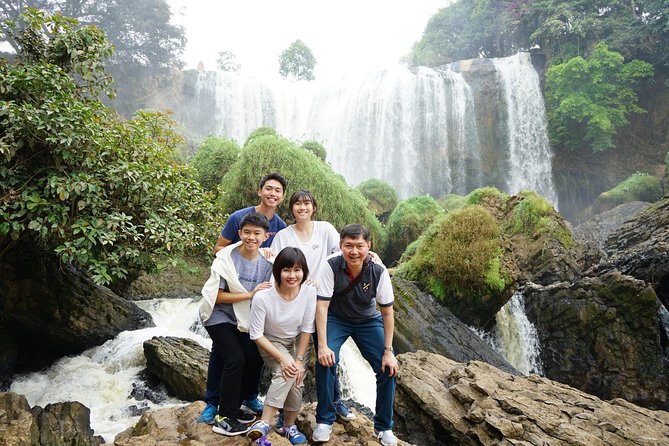
- Elephant Waterfall (Thác Voi) lets you walk around and get misted by cool freshwater
- Linh An Pagoda is a big visual break with giant Buddha statues
- K’Ho minority village in Tà Nung adds culture beyond farms and factories
A private Dalat day for about $26: what that price really buys
For roughly $26, you’re paying for a full half-day to full-day loop that includes private transportation (car/van/bus depending on the setup), an English-speaking local guide, all entrance fees, and even 0.5 liter of mineral water. In Dalat, that combination matters because the costs add up fast when you’re doing it solo: rides, tickets, and the time it takes to coordinate everything.
The big value here is not just the low price. It’s that the route is structured to hit several “countryside Dalat” themes in one go—flowers, coffee growing, silk production, waterfall mist, a major pagoda, and then a community walk. You get variety without having to plan six separate stops.
Timing is flexible within the day. That’s a real benefit if you want to slow down at the waterfall area or if you’re trying to work around church schedules, meal timing, or a late morning.
You can also read our reviews of more private tours in Da Lat


Pickup, pacing, and why your guide changes the whole day
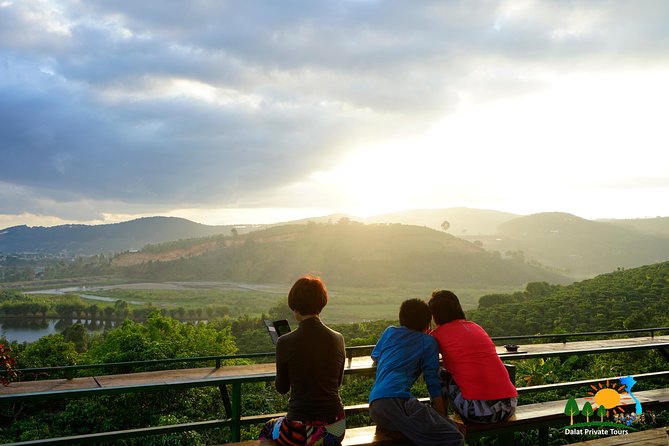
The tour is private, meaning it’s just your group. That typically translates to less waiting and fewer awkward moments where you’re hurried along because the rest of the group wants photos.
Your English-speaking guide does the heavy lifting: guiding you through each stop, handling the logistics, and translating what you’re seeing. In one standout experience, the guide named Mr. Mui and the driver Mr. Bo were praised for friendliness, good storytelling, and keeping the day fun and easy. Even when a stop is brief, a guide who can explain what you’re looking at can turn it from “I walked through a place” into “now I get how this works.”
Practical tip: wear closed-toe shoes and keep water in your bag. Even with the included water, you’ll still want the option to refill or grab extra if you’re moving around more than expected.
Stop 1: Vạn Thành flower village—quick color, easy start
Vạn Thành is a flower-growing area that sets the tone for Dalat’s famous vibe. Expect wide, open space and plants arranged for growth rather than a tight “market” feel. It’s a good opener because it’s visually light and doesn’t demand much effort from you.
You get about 40 minutes here, plus free admission. That means you can take photos, enjoy the air, and stretch your legs after pickup—without feeling like you’re burning most of the day at the first stop.
Possible drawback: if you’re coming from elsewhere in Vietnam where you’ve already seen lots of flower farms, this may feel more like a calm warm-up than a highlight. Still, it works well because it balances the later “production” stops.
Stop 2: Me Linh Coffee Garden—your cup comes with context
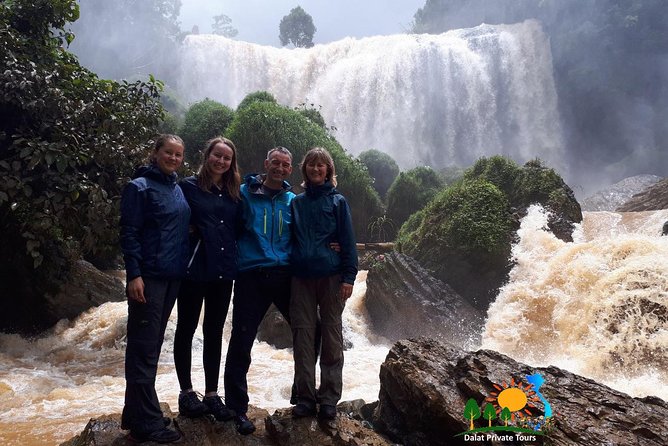
Coffee is a big deal in the Dalat countryside, and this stop is designed to connect the drink to the growing and processing behind it. At Me Linh Coffee Garden you’ll spend around 40 minutes, and admission is free.
What I like about a coffee stop done this way: you don’t just buy a cup and move on. You learn the coffee-making process and then you get a chance to try Vietnamese coffee-style drinks with a view. That pairing matters because it makes the taste feel tied to place—cooler climate, farming methods, and the rhythms of production.
In one experience, people also loved seeing other crops showing up around the route, like green peppercorn and other vegetables and fruits. You might notice similar “what’s grown here” variety while driving, not only at the farms.
Consideration: coffee gardens can be hit-or-miss depending on how you feel about farm demonstrations. If you’re expecting a purely rustic coffee experience, keep your expectations grounded. If you’re curious about how coffee works here, it’s a solid, relatively low-effort stop.
Stop 3: Thien An cricket farm + Rice Wine Tunnel—odd in a good way
This is the stop that turns heads. You’ll spend about 30 minutes at Thien An cricket farm, with admission included, and it ties into an organic rice wine cooking experience at a Rice Wine Tunnel run by a local family.
Why this is worth it: it shows food and drink culture beyond the usual tourist items. Rice wine and local home-style cooking are part of daily life for many families, and watching the process—at least at a practical, demo level—gives you a window into how people make something they actually consume.
And yes, the cricket-farm angle may sound strange before you see it. But the bigger point isn’t the cricket itself. It’s learning how a family uses local resources and manages production. If you go in with curiosity, it’s memorable.
Practical tip: if you’re sensitive to strong food smells, this is the one stop where you may want to give yourself a second or two before stepping deeper into cooking areas.

Stop 4: Cuong Hoan silk factory—where cocoons become fabric
This is one of the most “real” production experiences on the route. Cuong Hoan Silk Factory is about 30 minutes, with admission included. You’ll watch silkworm rearing and the process of silk-making.
The value here is simple: it’s not a staged souvenir stop. You’re seeing the steps that turn silk worm cocoons into usable thread and cloth. When the guide has good explanations, it clicks quickly—how raw inputs turn into finished material.
In a positive experience, people specifically highlighted enjoying silk-making from silk worm cocoons. That’s exactly what you should expect: you’ll be able to connect what you see to what eventually becomes silk products.
Consideration: this is a factory-type visit, so don’t plan on lingering for hours. Come for the process and the visuals, then move on.
Stop 5: Elephant Waterfall (Thác Voi)—cool mist and a real nature break
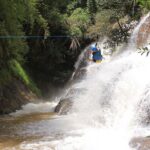
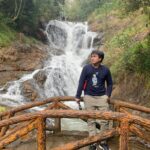
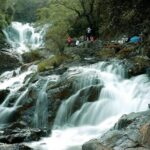
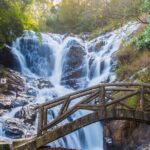
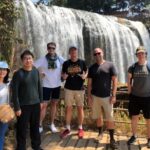
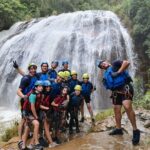
Elephant Waterfall is where you get your outdoor reset. You’ll have about 50 minutes here, with admission included. The key idea: you can explore the area and you’ll likely feel the cool, freshwater mist.
This stop works because it breaks up the indoor and workshop-style visits. After coffee and production stops, the waterfall gives you movement, space, and that cool Dalat air you came for.
Practical tips:
- Wear shoes you trust on uneven ground.
- Bring a light layer or small towel if you don’t like getting damp.
- If the day feels hot or dry, your best photos often come from slightly back from the strongest mist.
Also note: the tour requires good weather. If weather is poor, the experience may be adjusted or canceled—so keep an eye on conditions the day before if you can.
Stop 6: Linh An Pagoda—giant statues and a calm pause
Linh An Pagoda gives you a cultural landmark moment. It takes about 35 minutes and has free admission. The draw here is scale: a giant statue of Happy Buddha and the highest giant statue of Ladies Buddha in Vietnam.
I like pagoda stops on countryside tours because they’re a mental break from “workshop watching.” They’re also a chance to learn how Buddhism is represented in daily life and local art.
What to do: take your time with the exterior views first. If you then step inside or around the grounds, you’ll have the setting in your head and you won’t feel rushed.
Consideration: like any major pagoda, it can be busy depending on the hour. Your private guide can help you choose moments to look around without feeling like you’re getting swept into crowds.
Stop 7: Tà Nung and the K’Ho village walk—culture beyond the postcard
Your last stop leans into people and community. Tà Nung is about 30 minutes, free admission, and includes a walk around a K’Ho minority village area.
This is where the day turns from agriculture and production into human culture. You’ll learn about the culture of the original ethnic minority in Dalat. It’s not presented like a show; it’s more like a guided walk and explanation, which is often the best way to experience village culture without turning it into a spectacle.
I’d treat this as a respectful, curious stop:
- Ask simple questions.
- Be mindful with photos.
- Keep your tone calm and observational.
Practical note: since it’s a walk, wear comfortable shoes and be ready for uneven or outdoor paths.
So how does the full route feel across 5 to 8 hours?
The day is designed like a loop: fields and farms in the morning, production and waterfall in the middle, pagoda and village to finish. That means you get a steady flow of variety—without losing the thread of what makes Dalat’s countryside special.
The 5 to 8 hour duration matters because it affects your energy. If you’re the kind of person who hates rushing, start with a slower morning at the hotel, and don’t book another “must-do” right after your tour ends. Give yourself time to unwind.
Also, because lunch isn’t included, you’ll want to plan for it. Either eat before you go, or keep some flexible time in your schedule to find something quick afterward. You can also use the coffee or snack breaks at stops if the guide suggests options, but don’t count on a specific lunch arrangement.
One more practical detail: you get 0.5 liter mineral water included. It’s helpful, but not massive. Bring an extra bottle if you tend to drink a lot on the move.
Is it worth booking? Who will love it most
This tour is a strong match if you want a countryside day that mixes nature with practical culture—coffee, silk, food processing, a waterfall, and a pagoda—without you doing the logistics.
You’ll likely love it if:
- You enjoy structured itineraries but still want flexibility through a private guide.
- You’re curious about how everyday products are made (silk, coffee, rice wine).
- You want a cultural visit that ends with a village walk, not just shopping.
- You like the idea of seeing multiple “Dalat countryside themes” in one day for a fair price.
You might want to think twice if:
- You expect a mostly wilderness, hiking-heavy day.
- You dislike factory-style demonstrations and prefer long outdoor time only.
- You’re especially sensitive to the feel of commercial farm stops.
Should you book the Dalat Countryside Private Tour and Waterfall?
I’d book it if your ideal Dalat day includes a waterfall you can feel (mist included), a pagoda with impressive Buddha statues, and at least a couple of hands-on production moments like silk-making. For about $26, the value comes from the combination of private transport, an English-speaking guide, and entrance fees taken care of—plus the fact that you don’t have to coordinate multiple tickets and rides yourself.
Skip it only if you’re mainly chasing dramatic hikes or you know you’ll be bored by farm demonstrations. In that case, you’d probably get more satisfaction with a more nature-focused outing.
FAQ
FAQ
How long is the Dalat Countryside Private Tour and Waterfall?
It runs approximately 5 to 8 hours, depending on timing and how the day flows.
Is hotel pickup and drop-off included?
Yes. Pickup and drop-off from your Da Lat hotel are included.
Are entrance fees included in the price?
Yes. All entrance fees are included, and the guide handles them.
What stops are included on the tour?
The itinerary includes Vạn Thành flower village, Me Linh Coffee Garden, Thien An cricket farm and Rice Wine Tunnel, Cuong Hoan silk factory, Elephant Waterfall (Thác Voi), Linh An Pagoda, and a walk around the K’Ho village in Tà Nung.
Is lunch included?
No. Lunch and personal expenses are not included.
What happens if weather is bad?
The experience requires good weather. If it’s canceled due to poor weather, you’ll be offered a different date or a full refund.