REVIEW · DALAT
Da Lat Loop Tour On Private Car
Book on GetYourGuide →Operated by Easy Rider Mr.Viet · Bookable on GetYourGuide
Dalat clicks into place on a private loop by car. It’s the kind of day where Truc Lam Zen Monastery and working countryside sit side by side, with Viet explaining the stories behind what you’re seeing.
I especially love the mix of sights and hands-on culture: PonGour Waterfall for the dramatic views, then villages and farms where you can understand daily life and local products. One thing to consider is that this is a full itinerary with several stops, so plan for a long day and budget for lunch since it’s not included.
In This Review
- Key Highlights You’ll Care About
- A Private Car Loop That Keeps Dalat From Feeling Like a Checklist
- Morning Start: Truc Lam Zen Monastery and Paradise Lake
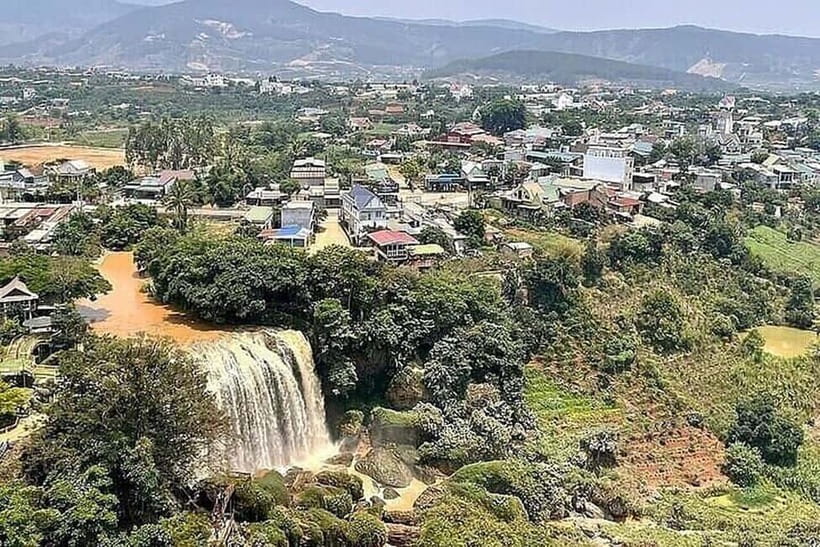
- The Big Waterfall Factor: PonGour and Elephant Waterfalls
- PonGour Waterfall
- Elephant Waterfall
- Beyond the Temples: K’hor Chicken Village and Ethnic-Minority Daily Life
- Coffee, Pepper, Rice, Vegetables: How the Countryside Actually Works
- Linh An Pagoda and the 75-Meter Lady Buddha
- Nam Ban Silk Village: From Cocoon to Costume (And No Pushy Buying)
- Rice Wine House and the Cricket Farm: A Truly Local Taste Moment
- Coffee Process and Tasting With Mountain Views
- Van Thanh Flower Growing Village: Why Dalat Earned the City of Flowers Name
- Avoiding Tourist Traps: How the Day Stays Real
- Price and Logistics: Is $57 Good Value for a Private Day?
- Who Should Book This Da Lat Loop Tour
- Should You Book This Tour?
- FAQ
- Is this tour suitable for solo travelers?
- What languages are available?
- What is included in the price?
- What’s not included?
- Does the tour include weasel-poop coffee?
- How long do the waterfall stops take?
Key Highlights You’ll Care About
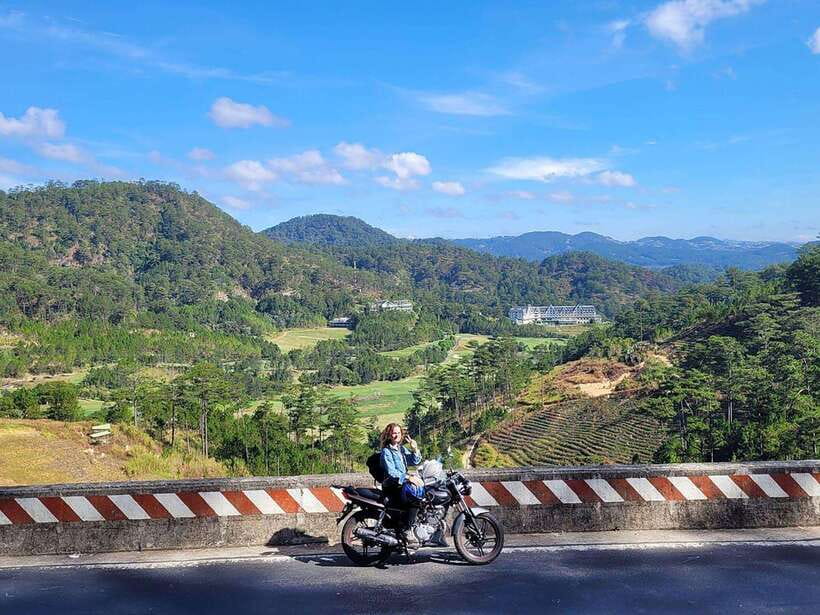
- Truc Lam Zen Monastery (built in 1994) with its Zen-style spiritual setting and story
- PonGour and Elephant Waterfalls with about an hour at PonGour and about an hour at Elephant
- K’hor Chicken Village to see real village life of an indigenous ethnic minority on the Dalat plateau
- Nam Ban Silk Village and Factory focused on how silk is made from cocoons (no pressure to buy)
- Cricket farm + rice wine tastings for a quirky, very local food moment
- Van Thanh Flower Growing Village explaining why Dalat is known as a city of flowers
A Private Car Loop That Keeps Dalat From Feeling Like a Checklist
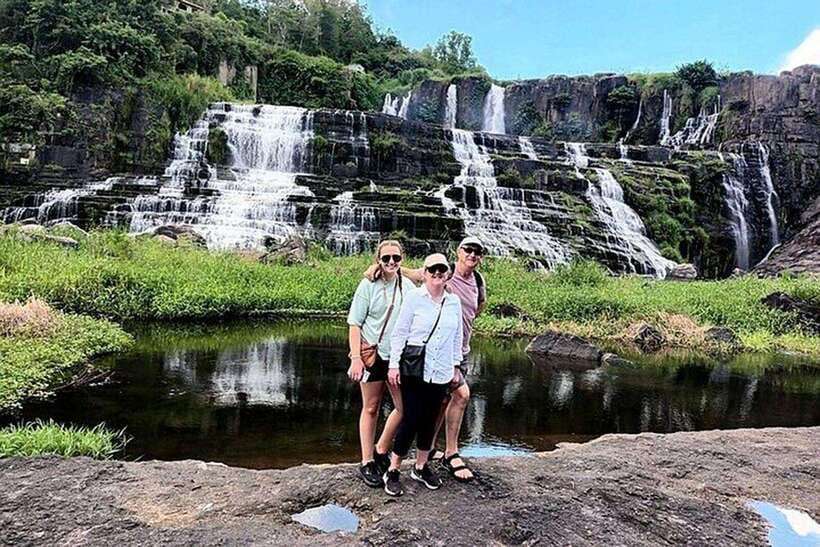
For $57 per person, you’re not just buying viewpoints. You’re buying time with an English-speaking guide and a driver in a private car, which matters in Dalat because distances add up fast. Instead of squeezing into buses or rushing through stops, you can take breaks when the scenery is worth it.
What makes this tour work well is the balance. You get major landmarks like Truc Lam Zen Monastery and the waterfalls, but the day also includes the quieter stuff that explains how Dalat functions: agriculture, minority culture, and small craft industries. Reviews consistently praise the guide’s humor and the safe, careful driving—especially with Tom at the wheel and Viet as the guide.
One more plus: the tour is set up to avoid the usual selling-heavy traps. It specifically says you won’t stop at tourist places just for shopping, and there’s no weasel-poop coffee on the itinerary.
You can also read our reviews of more private tours in Dalat
Morning Start: Truc Lam Zen Monastery and Paradise Lake
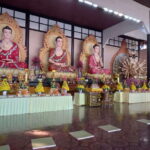
The day often begins with Truc Lam Zen Monastery, a Zen monastery temple built in 1994 with an oriental architecture style. The point here isn’t just photos—your guide’s job is to connect the place to spiritual cultural values so the setting makes more sense.
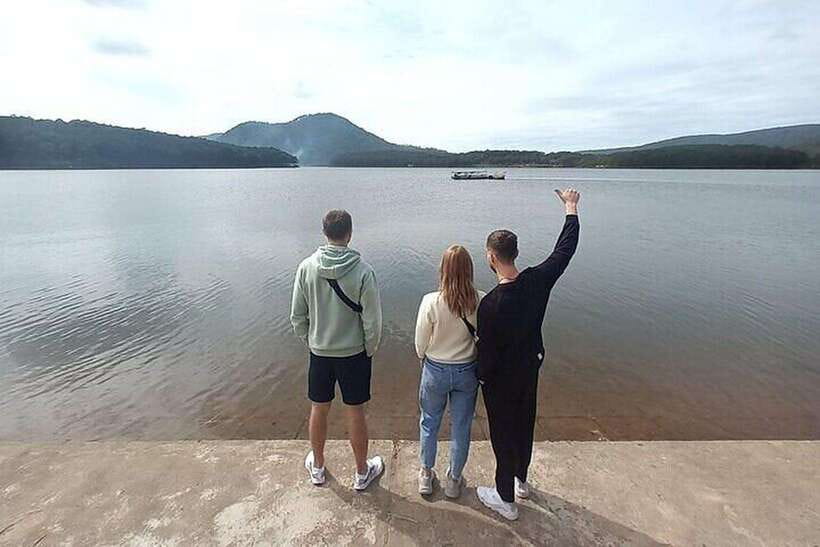
After the monastery, you’ll head to Paradise Lake, a man-made freshwater lake that supports surrounding rural villages. You’ll have time to snap pictures with the lake and towering mountain views in the background. In plain terms, this stop helps you understand Dalat isn’t only about views—it’s also about water, farming, and how people live with the landscape.
Practical tip: go slow at Truc Lam. Even if you’re not a temple person, the viewpoint angles are better when you pause and let the place sink in.
The Big Waterfall Factor: PonGour and Elephant Waterfalls
If you want the signature Dalat wow factor, the waterfalls are where the tour earns it.
PonGour Waterfall
You’ll see PonGour Waterfall, described as the biggest and nicest ones in southern Vietnam. You get about an hour at your own pace, which is long enough to walk to good angles without feeling like you’re racing another group.
This is also where your guide’s background helps. Instead of treating the waterfall like a random scenic stop, you’ll get context and story that adds meaning to the photos.
Elephant Waterfall
Then you’ll visit Elephant Waterfall, also with about an hour to explore. Expect the same rhythm: time to look, time to walk, and time to enjoy the sound and mist without being rushed.
Small consideration: waterfalls can be slippery, and weather can change quickly in the highlands. Wear shoes you trust on wet paths, and don’t try to sprint between viewpoints.


Beyond the Temples: K’hor Chicken Village and Ethnic-Minority Daily Life
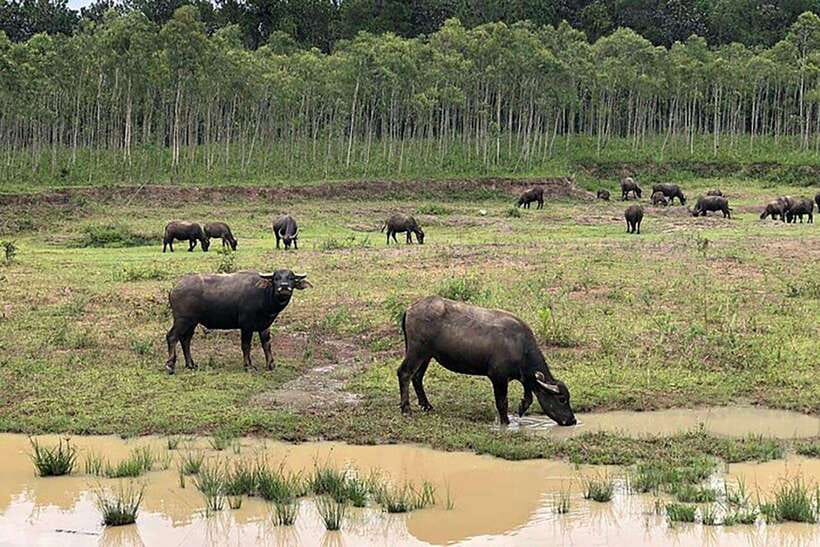
One of the most valuable parts of this tour is that you don’t stay locked in “tourist mode.” You go to Chicken Village, inhabited by the K’hor, an indigenous ethnic minority group originally from the Dalat plateau.
You’ll learn who the K’hor people are and what daily life looks like in the village. The day here feels more observational and respectful than “performance tourism.” You can expect time to explore and to ask questions through your guide—especially about culture, religion, and what daily rhythms look like.
A detail worth noting: one of the experiences can also include a stop like a mushroom village (depending on the day/route). That fits the tour’s theme: showing agricultural production and local life instead of just standing in front of famous signs.
Who this suits: if you like authenticity more than souvenirs, and you want Dalat to feel lived-in rather than staged, this portion is a highlight.
Coffee, Pepper, Rice, Vegetables: How the Countryside Actually Works
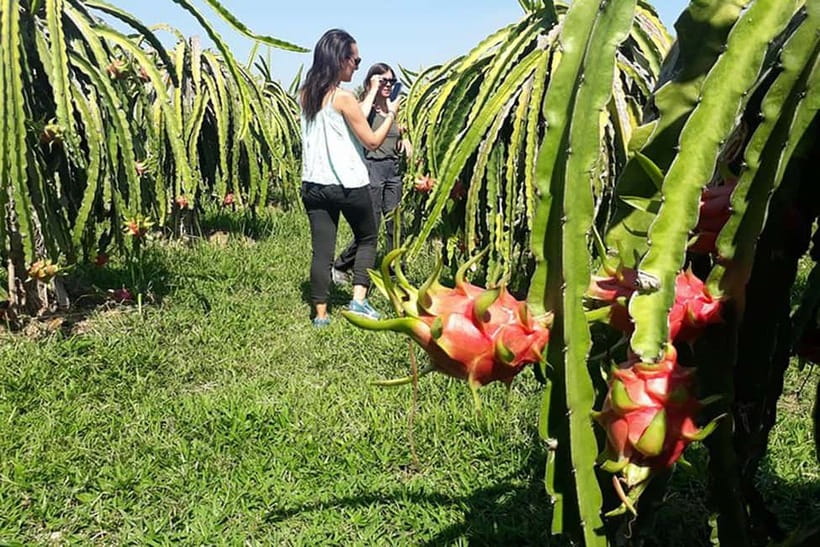
Dalat’s countryside is often reduced to one idea—scenery. This tour gives you the other side: production.
You’ll visit areas tied to coffee plantations, pepper fields, rice fields, and vegetable farms. The goal is to understand local life and products, not just point out crops. When your guide explains how these farms fit into livelihoods, the scenery becomes functional—you can see why people work where they do.
This is one of the reasons the tour gets strong feedback. The information hits the “why” behind the geography. You’re not only seeing farms; you’re learning how the region survives and thrives.
Linh An Pagoda and the 75-Meter Lady Buddha
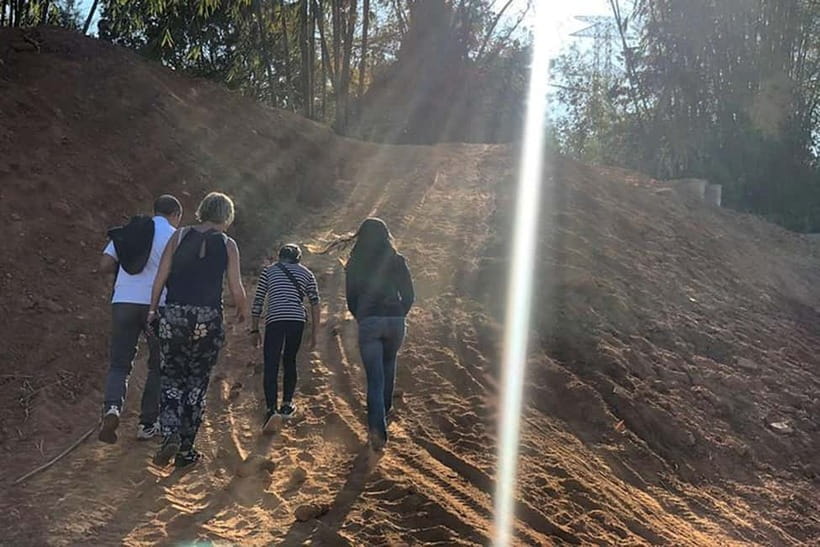
At some point, you’ll ride to Linh An Pagoda, also known as Linh An Tu Pagoda. It was built in 1994 and is described as one of the oldest and sacred Buddhist temples in Nam Ban town.
This stop includes an impressive walking climb up toward the top of the Lady Buddha statue, which is around 75 meters tall. Even if you keep your expectations realistic, this is one of those sights where the scale changes how you see the whole area.
What I like about this stop on a car loop: you’re not just “arriving at a temple.” You’re moving through the region, and the drive itself gives you that sense of getting out of the city and into the wider Dalat world.
Nam Ban Silk Village: From Cocoon to Costume (And No Pushy Buying)
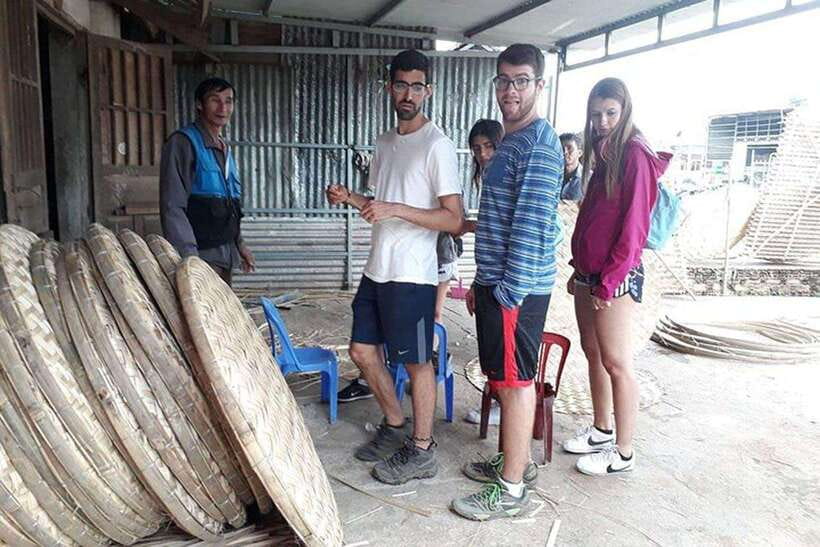
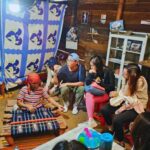
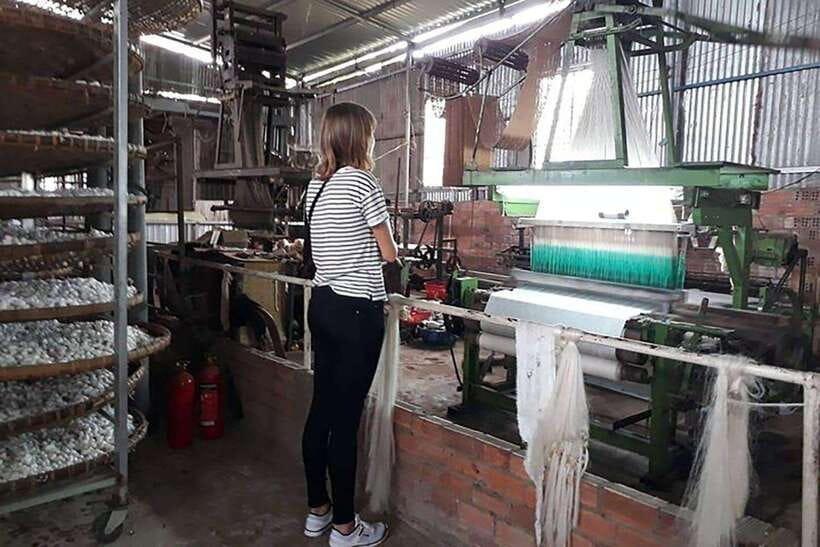
Nam Ban Silk Village and the Nam Ban Silk Factory are included, and the focus is specifically on how to make silk from cocoons—linked to lady’s costume production.
Important tone-setting detail: the itinerary notes that you should look and understand (not buying). That matters if you’re allergic to “come in, browse, feel pressured” tourism.
This is one of those experiences where you’ll get more out of it if you ask questions. Watch the process, then let the guide translate what you’re seeing into how the local craft economy works.
Rice Wine House and the Cricket Farm: A Truly Local Taste Moment
If you like experiences that are more “human” than “museum,” this part is memorable.
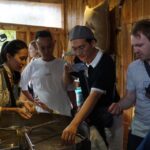
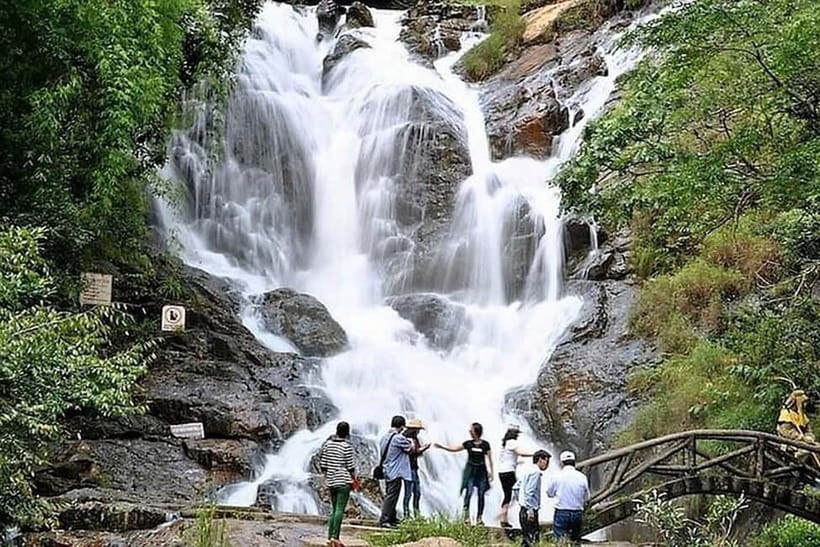
You’ll visit a local house where you can discover how rice wine is made. Then you go to a cricket farm to learn how locals breed crickets and take care of them for food.
And yes, there’s a tasting element: you’ll try crickets with rice wine. That’s not for everyone, but it’s honest, local, and framed as learning rather than shock value.
My practical advice: if you’re even slightly unsure about the taste, start with small bites and go slowly. The point isn’t to prove anything—it’s to understand a food culture you don’t get at home.
Coffee Process and Tasting With Mountain Views
You’ll also get a coffee stop focused on processing coffee beans and trying a cup of local coffee. The itinerary notes that the tasting happens while you have mountain views, so the drink is part of a bigger setting instead of just a cup to check off.
Reviews highlight that coffee breaks can be adjusted—for example, during rain—so you’re not stuck standing under weather with no plan.
If you’re a coffee person, this is a strong value add because it connects the plant-to-cup story to what you actually drink.
Van Thanh Flower Growing Village: Why Dalat Earned the City of Flowers Name
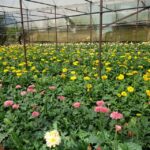
Near the end, you’ll reach Van Thanh Flower Growing Village to understand the story of how Dalat became known as the city of flowers. This is one of the larger flower-growing and exporting villages in Dalat.
What I like here is that flowers aren’t treated like pure decoration. Your guide ties them to agriculture and exports, so you understand the work behind the beauty. It makes the flower photos feel earned.
Tip: if you want the best shots, pause and pick one or two viewing angles rather than rushing every corner. The village is easier to enjoy when you take your time.
Avoiding Tourist Traps: How the Day Stays Real
One of the consistent wins here is the tour’s attitude. It explicitly says it will not stop at tourist places just to move you through stalls. It also specifically notes you won’t do weasel-poop coffee.
In a region full of marketing, that’s a real quality marker. You spend more time learning and less time negotiating attention. Even the reviews praising recommendations and photo spots point toward the same thing: the tour aims for safe, good driving, and thoughtful stops rather than quick sales pitches.
Price and Logistics: Is $57 Good Value for a Private Day?
At $57 per person, the pricing is hard to complain about because the tour includes:
- a private car
- an experienced driver plus an English-speaking local tour guide
- all entrance tickets
What’s not included is lunch and water, plus personal expenses. That’s normal, but it does matter for budget planning. If you go in expecting lunch to be covered, you’ll be surprised. If you plan a cash amount for food and bring a little extra, the day runs smoothly.
Also note the group rule: the tour includes a minimum of 2 passengers. If you’re solo, you pay an extra fee in cash at the end. For solo travelers, the private setup still can feel worth it because you’re getting a real guide and a dedicated driver, not just a seat.
Timing-wise, there’s no exact duration listed here, but given the number of stops and the roughly hour-long waterfall visits, treat it like a full, active day.
Who Should Book This Da Lat Loop Tour
This tour is a great match if you:
- want a private car with an English guide rather than bus chaos
- care about culture, religion, and agriculture, not only famous sights
- like seeing minority life and real production (silk, coffee, rice wine, farming)
- want a day that avoids pressure-heavy shopping stops
It may be less ideal if you:
- hate long itineraries with multiple transfers
- expect a completely hands-off, low-walking day (some temple and farm paths can be uneven)
- want lunch included in the price
Should You Book This Tour?
I’d book it if your priority is balance: big Dalat highlights plus the smaller human stories behind them. With guides like Viet and drivers like Tom driving safely, the day is set up for comfort and learning. Add in the entrance tickets included and the “no tourist traps” approach, and you get more value than a basic sightseeing loop.
If you’re the type who likes asking questions—about the K’hor people, agriculture, or how silk and coffee are actually produced—you’ll leave with more than photos. You’ll understand Dalat in a way that lasts.
FAQ
Is this tour suitable for solo travelers?
The tour has a minimum of 2 passengers. If you’re solo, you’ll pay an extra fee in cash when the tour ends.
What languages are available?
The tour guide provides English.
What is included in the price?
You get a private car, an experienced driver, an English-speaking local tour guide, and all entrance tickets.
What’s not included?
Local lunch, water, and personal expenses are not included.
Does the tour include weasel-poop coffee?
No. The itinerary specifically says you will not try weasel-poop coffee during this route.
How long do the waterfall stops take?
PonGour Waterfall and Elephant Waterfall each include about one hour for you to enjoy at your own pace.