REVIEW · HO CHI MINH CITY
Cu Chi Ben Duoc Tunnels: Authentic & Less Touristy (Max 10)
Book on Viator →Operated by Hana Tourist Vietnam · Bookable on Viator
The tunnels are smaller than you expect. I really like this small-group Ben Duoc visit for its calmer feel, and I also love the hands-on war-time details like the tapioca and tea break. The main catch: you need to be ready for stooping and crawling in tight tunnel sections, and the wrong shoes can ruin your day.
This is a practical half-day tour that runs with air-conditioned comfort and timed pickup from lots of Ho Chi Minh City hotels. You’ll get entrance tickets and a simple snack setup, then spend most of your time at Ben Duoc seeing how people lived and hid underground.
If you pick the morning version, there’s an optional add-on to the War Remnants Museum in the middle of the day. That’s great for context, but it does add time and structure to what is already a packed trip.
In This Review
- Key highlights to look for
- Ben Duoc Tunnels: why this quieter Cu Chi stop feels more real
- Price and value: what you’re actually paying for at $21
- Pickup, timing, and the two tour rhythms (morning vs noon)
- The ride out to Ben Duoc: what you’ll want to prepare for
- Arrival at Ben Duoc: documentary first, then the crawl
- What you can expect inside the tunnels
- The wartime snack: tapioca and tea (and why it matters)
- Optional shooting range: AK-47 or M16 for extra
- War Remnants Museum add-on: short and focused context
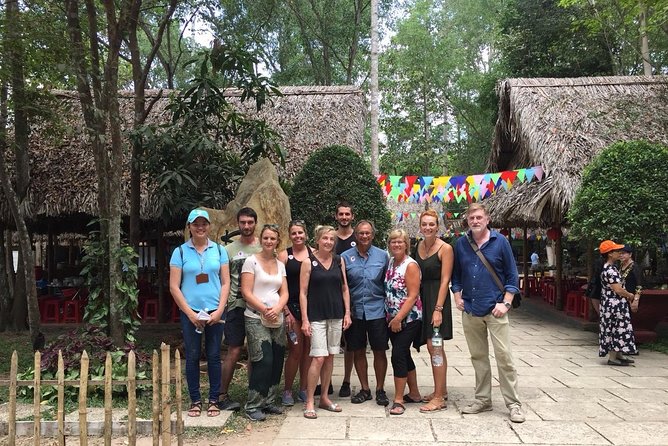
- Small group size (max 10): how it changes your experience
- What to wear and bring: the difference between fun and frustration
- Who this Cu Chi Ben Duoc tour is best for
- Should you book this Ben Duoc tour or skip it?
- FAQ
- How long is the Ben Duoc Tunnels tour?
- Do you get picked up from your hotel in Ho Chi Minh City?
- Is the War Remnants Museum included?
- What’s included in the price?
- Is the shooting range included?
- How big is the group?
- What should I bring or wear for the tunnels?
Key highlights to look for

- Ben Duoc over the busier sites: a quieter part of the Cu Chi system
- Real tunnel sections: crawl through narrow underground passages and see war defenses like trapdoors
- Wartime cassava snack and tea: a break modeled after what Vietnamese soldiers ate
- Optional shooting range: AK-47 or M16 experience for an extra fee
- Small max group size (10): more breathing room while you explore
- Pickup in air-conditioned transport: likely stress-free if you want hotel pickup
Ben Duoc Tunnels: why this quieter Cu Chi stop feels more real
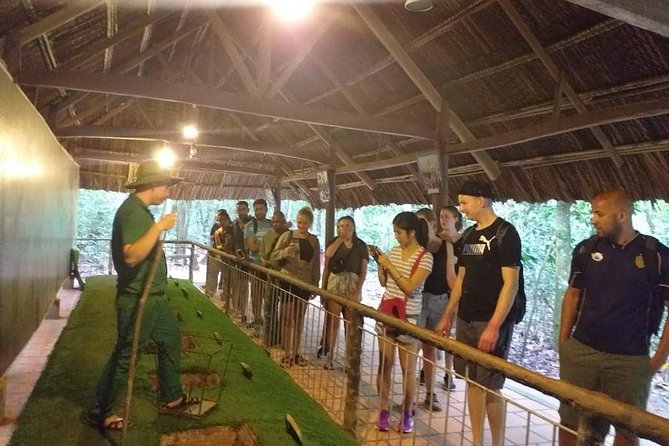
Cu Chi can get crowded, fast. What I like about choosing Ben Duoc is the focus on a less-touristy slice of the tunnel story. It’s also described as bigger than the Ben Dinh tunnels, so you typically feel more of the underground “world” rather than just a short corridor visit.
Ben Duoc is not just about seeing walls and holes. You get a clearer sense of daily survival—hiding, moving, storing, and treating injuries—because you’re guided through different tunnel areas that were built for specific wartime jobs. Even if you’ve read about Cu Chi before, this kind of guided layout helps your brain connect it to human actions.
One more reason I’d pick Ben Duoc: your time is concentrated. You’re not spending hours bouncing across a long circuit of stops. Most of your day is built around the tunnel complex itself, which is exactly where you’ll want to pay attention.
You can also read our reviews of more tours and experiences in Ho Chi Minh City.



Price and value: what you’re actually paying for at $21
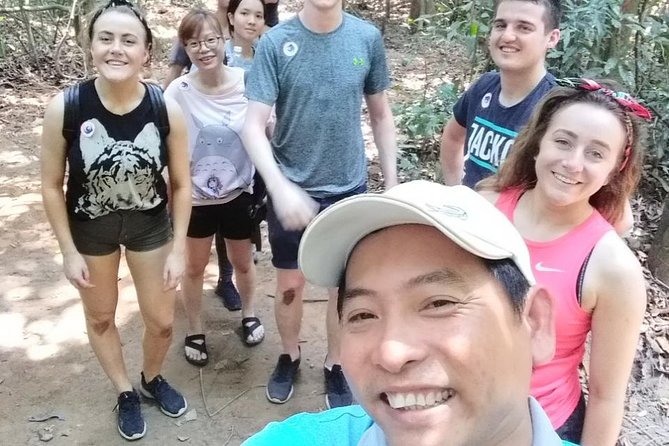
At about $21 per person, this tour is priced like a solid “time-efficient” experience rather than a luxury day. You’re paying for three big pieces: guided tunnel access, air-conditioned transport, and basic on-the-road support (entrance tickets plus water/cool tissue and snacks).
The value improves if you’re the type who benefits from a guide. The tour includes an English-speaking guide, and the whole point of Cu Chi is understanding what you’re looking at. A good guide turns trapdoors and command rooms into something you can mentally picture, instead of just a collection of exhibits.
There’s also a built-in choice that affects your final cost. If you want the optional shooting range (AK-47 or M16), that’s extra. If you skip it, you still get the main tunnel experience plus the war-era snack.
Pickup, timing, and the two tour rhythms (morning vs noon)
This is set up as a half-day tour with two departure options. The morning shared group runs with pickup between 7:30 and 8:00 AM and finishes around 2:30 PM. The noon pickup option starts between 12:00 and 12:30 PM and finishes around 7:00 PM.
Here’s how I’d think about the timing. If you want the calmest energy and to get the tunnels done early, the morning schedule makes sense. If you prefer a later start—maybe you’ve been recovering from jet lag or doing other Saigon sights—then the noon schedule fits better.
There’s a small but important detail that matters for planning: one version can include the War Remnants Museum. In that case, you return around noon to the center of Saigon and get roughly one hour to explore the museum freely, plus optional audio guide time if you want it. That can be an excellent pairing because the tunnels can feel intense without outside context.
The ride out to Ben Duoc: what you’ll want to prepare for
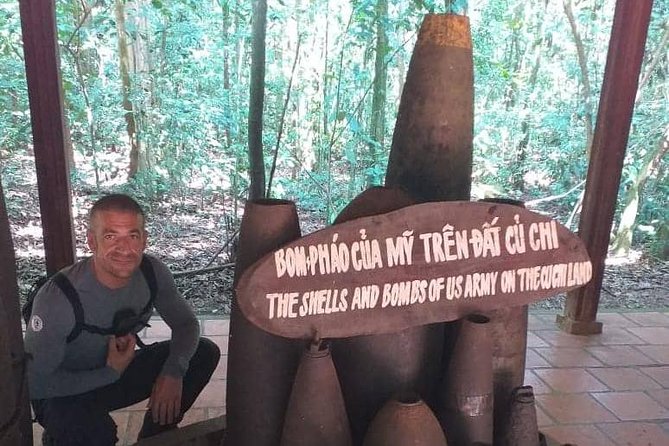
The drive from Ho Chi Minh City to the tunnel area takes a while. I’d plan mentally for a longer travel day than you’d expect from a “half-day” label. The transport is air-conditioned, and pickup is offered from 400+ hotels if you want it—so you can start relaxed instead of figuring out buses and timing.
One practical trick: use the ride time to set your expectations. Cu Chi isn’t “comfortable tourism.” It’s a physical walkthrough of a place built for survival, not for visitors. If you arrive with the mindset of curiosity plus physical readiness, the tunnels will land much better.
Also, keep a little flexibility in your day. On at least some days, the van route may include a brief stop along the way. That’s not the tunnel part, but it can happen due to how the day is run. I’d simply factor in that your schedule may not be perfectly “just drive and arrive.”
Arrival at Ben Duoc: documentary first, then the crawl
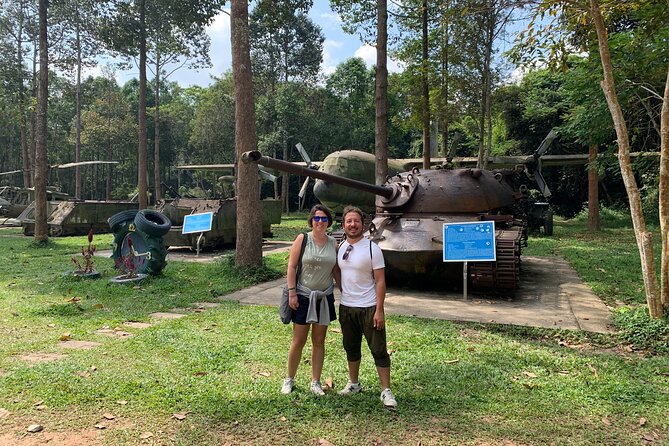
When you reach Ben Duoc, you start with a short documentary about the war. I like doing that before you go underground. It gives your eyes something to connect to right away, so you’re not wandering through structures without knowing what each section is supposed to represent.
Then you move into the tunnel system. Expect the tunnel reality to hit immediately: narrow spaces, low ceilings, and a need to keep your head down. The tour includes guided tunnel sections that can include narrow crawling through original areas, not just a casual viewing path.
This is one reason Ben Duoc is described as “only” visiting this quieter portion. You’re not just doing a quick look-and-leave stop. The structure of the experience is built around guided time inside the tunnels.





What you can expect inside the tunnels
You’ll see multiple underground areas tied to wartime function. Based on the tour description, these include things like:
- narrow tunnel passages where you may need to crawl or stoop
- camouflaged trapdoors and deadly traps designed to slow or stop intruders
- command and coordination areas
- weapon storage spaces
- a hospital bunker concept (the kind of place built to keep people alive and ready to fight)
The physical side is real, but the meaning is the payoff. When trapdoors and storage rooms are explained by your guide, you start to understand the tunnel system as a whole living network—not just a hiding spot.
The wartime snack: tapioca and tea (and why it matters)

A break is built into the tunnel time. You’ll try wartime-style cassava (tapioca) and tea, like the Vietnamese soldiers did.
This isn’t just a gimmick. Food helps your brain time travel. You stop thinking only about danger and start recognizing routine—what people ate, what they drank, and how they kept going underground when normal life was gone.
It’s also a reset for your body. After crawling and stooping, a small snack and drink helps you keep your energy up for the rest of the experience.
Optional shooting range: AK-47 or M16 for extra
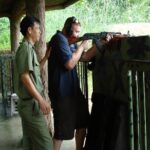
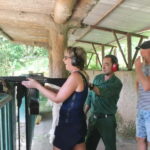
At the site, there’s an optional shooting range experience. The tour notes AK-47 or M16 shooting as an add-on, typically for an extra expense. If you want that adrenaline moment, you can plan for it as a separate cost.
If you don’t want to shoot, you’re not required to. You can still stay focused on the main tunnel experience and let the day keep its historical weight.
One practical caution: if shooting is your priority, don’t assume it will always be available at the exact moment you’re there. Scheduling can depend on the site. I’d treat the shooting range as a nice bonus, not the core promise of your day.
War Remnants Museum add-on: short and focused context
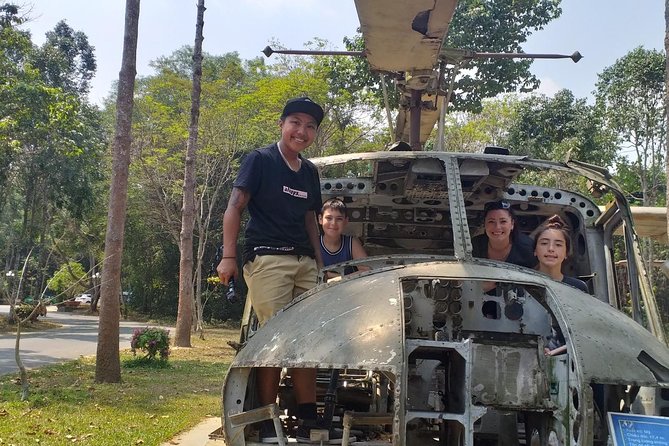
If you choose the morning shared option with the museum included, you get about one hour to explore the War Remnants Museum freely. The structure is simple: arrive back around noon, then browse at your own pace with the option of paying extra for an audio guide.
I like this pairing when you want both viewpoints in one trip. The tunnels show survival mechanics, but the museum frames the broader war story you’re connecting those mechanics to. One hour won’t cover everything, but it gives you just enough context to make the tunnel tour feel less like isolated sightseeing.
If you’re the type who hates rushing through museums, keep your expectations realistic. One hour is quick. It’s best as a “set the stage” stop, not a deep, day-long museum day.
Small group size (max 10): how it changes your experience
A max of 10 people is not just a number. It usually means better pacing, more attentive guidance, and less time waiting in lines when you’re trying to get into the best tunnel sections.
This matters inside the tunnels because your movement is physical. When spaces are narrow, delays ripple. A smaller group keeps the flow steady and lets your guide manage the pace so you’re not constantly stuck.
I also like the way a smaller group tour often creates a more human tone with the guide. In this experience, guide personalities show up in the writing—people mention names like Ken and Tri, and also guides like Tre, Linda, Nhu, and Edward. While you won’t know your exact guide in advance, the tour’s model is clearly built for active storytelling, not silent walking.
What to wear and bring: the difference between fun and frustration
Here’s the part that can make or break your day: you need to be agile. The tour experience includes going into tunnels where you’ll likely stoop and crawl.
So, wear solid walking shoes. If you have knee or leg issues, you might find the smaller tunnel sections challenging. Some guides will help with comfort-level choices, meaning you may not be pushed into the smallest spaces if you don’t want to.
Also dress for dirt and damp. Underground sites can mean mud. Plan your outfit like you’re doing a hands-and-knees exercise, not strolling a city street.
Bring a basic layer mindset too. Underground temps can feel cooler, but you’ll also heat up after you start moving.
Who this Cu Chi Ben Duoc tour is best for
This works well if you want value and focus. You’re not hunting for ten different attractions. You’re here for the tunnels, with just enough structure to understand what you’re seeing.
I’d especially recommend it to:
- people who want a quieter Cu Chi experience rather than a crowd scene
- anyone who learns best from a guide’s explanations while walking through real spaces
- families with older kids who can handle crawling and stooping (as long as they’re comfortable physically)
It may be less ideal if you:
- hate physical activities or dislike crouching/crawling
- have strong mobility limits and want a fully accessible route through tight tunnels
- want a slow, restful day with no outdoor travel time
Should you book this Ben Duoc tour or skip it?
Book it if your priority is the tunnel experience itself and you like guided context. The price is reasonable for what’s included—transport, entrance, snacks, and an English-speaking guide—and the Ben Duoc focus helps you avoid the busiest feeling you can get at other Cu Chi stops.
Skip it if you’re looking for a mostly easy, museum-style tour with lots of space and minimal physical effort. In that case, you might prefer a different format that keeps you above ground more often.
If you do book, come prepared to move, wear proper shoes, and treat the optional shooting as a bonus rather than the highlight. That mindset turns a physical site into an unforgettable story you can actually understand.
FAQ
How long is the Ben Duoc Tunnels tour?
The tour is listed as about 6 to 7 hours, depending on which time slot you choose.
Do you get picked up from your hotel in Ho Chi Minh City?
Yes. Pickup is offered from 400+ Ho Chi Minh City hotels if you want it.
Is the War Remnants Museum included?
It’s optional. The museum add-on is only available for the morning shared group option, with about one hour to explore freely.
What’s included in the price?
The tour includes an English-speaking guide, an air-conditioned vehicle, entrance fee, drinking water, cool tissue, and snacks.
Is the shooting range included?
No. Shooting at the range (AK-47 or M16) is optional and costs extra.
How big is the group?
This activity has a maximum of 10 travelers.
What should I bring or wear for the tunnels?
Wear comfortable shoes and be ready to stoop and crawl in narrow underground areas. If you have leg or knee problems, the tunnel sections may be difficult.