REVIEW · HANOI
Ban Gioc Waterfall Cyclop Mountain Fullday By Car
Book on GetYourGuide →Operated by Vietnam Northern Travel · Bookable on GetYourGuide
A day trip that feels like a whole region in one go. This Cao Bang full-day loop mixes mountain roads, ethnic village life, and major sights like Ban Gioc Waterfall and Ngao Cave. I especially like the small-group pace and the comfortable car for a long day of stops. I also like how the route is planned to add culture on the way, not just photo stops. One possible drawback: it’s a full schedule, so you need decent energy (and good footwear) for caves, stairs at the pagoda, and a sunset climb.
A big part of the value here is the human factor: you travel with a local English-speaking guide, and the day can run smoothly even when there are lots of viewpoints. In past departures, guides including Tù, Tuan, Nat, and Dong have been praised for being friendly, helpful, and attentive. The other consideration is budget: the headline price doesn’t cover all mandatory add-ons in cash.
Here’s what makes this tour worth your attention—and what to watch before you book.
In This Review
- Key highlights to pay attention to
- A 12-hour Cao Bang loop in one comfortable car
- Global Geopark roads and ethnic craft village stops
- Ngao Cave (Tiger Cave): what you’ll actually see underground
- Trúc Lâm Zen Monastery: panoramic Ban Gioc views plus a bridge reference
- Ban Gioc Waterfall: the Vietnam–China border feeling up close
- The return route: scenery without repeating the morning
- Angel Mountain sunset (Cyclop/Dragon Mountain)
- Price and logistics: what value looks like on paper
- Who this tour suits best (and who should rethink)
- Should you book Ban Gioc Waterfall, Ngao Cave, and Trúc Lâm in one day?
- FAQ
- What time does the tour pick me up in Cao Bằng?
- How long is the Ban Gioc Waterfall and Cao Bằng day trip?
- What main places are included in the itinerary?
- Is lunch included?
- Are entrance fees and tickets included?
- Is a boat/raft ride at Ban Gioc included?
- Do I need to bring cash or a passport?
- Does the tour include an English-speaking guide?
- What about solo travelers?
Key highlights to pay attention to
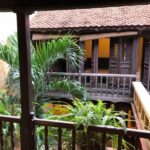
- Global Geopark scenic roads with frequent photo opportunities, including old stilt houses and village glimpses along the way
- A stop at an ethnic paper-craft or forging craft village, where you can see how daily life and making things connect
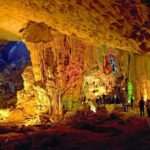
- Ngao Cave (Tiger Cave) with natural stone columns and stalactites shaped like familiar figures
- Trúc Lâm Zen Monastery for a high viewpoint over Ban Gioc, with mention of the nearby Chinese Glass Bridge
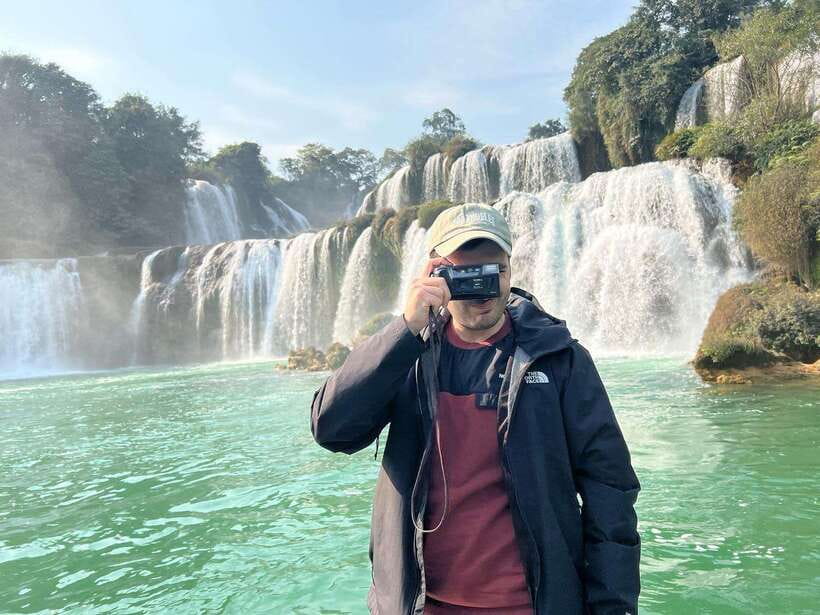
- Ban Gioc Waterfall from both above-view and by boat (optional), plus the Vietnam–China border feeling mid-river
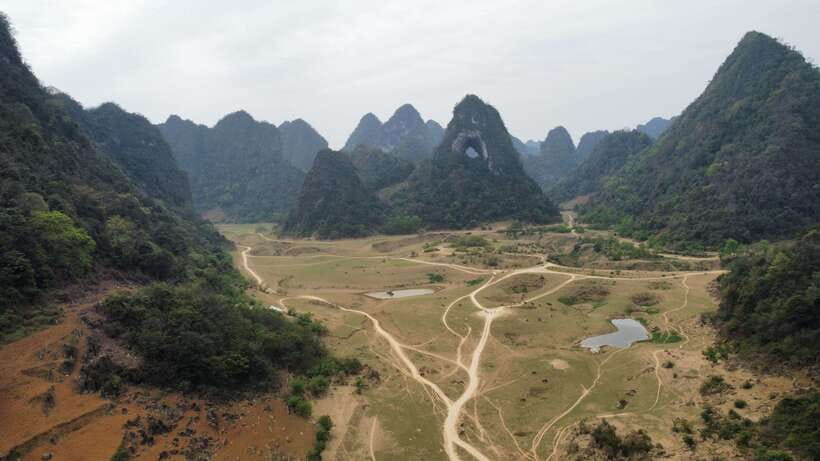
- Angel Mountain at sunset, described locally as Cyclop or Dragon Mountain for dramatic evening views
A 12-hour Cao Bang loop in one comfortable car
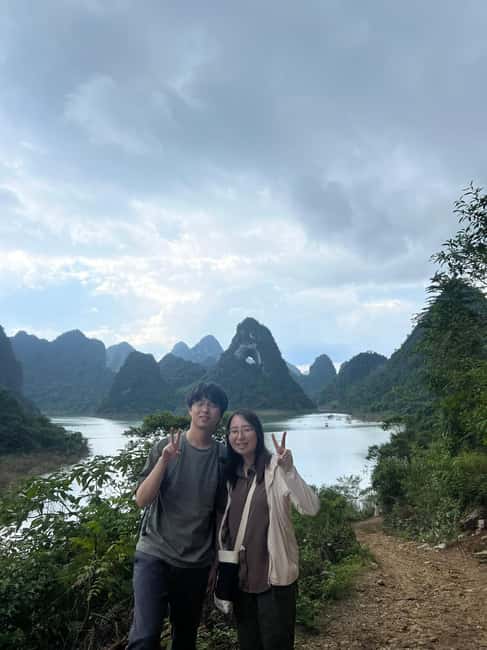
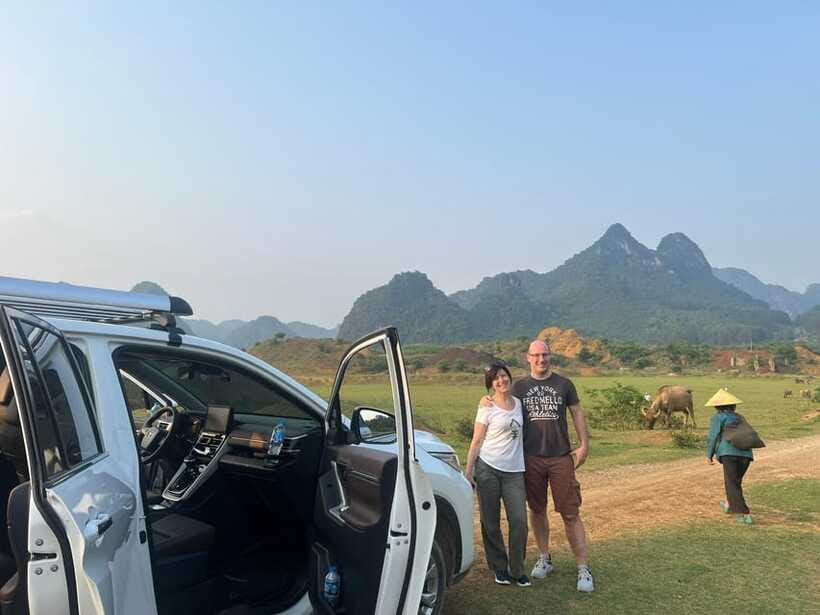
This is the kind of day trip that helps you do a lot without turning it into a chaos-fest. You get picked up in Cao Bằng city between 7:00 and 7:30am, then you spend the day moving by SUV/MPV/EV car with a local guide. The group is limited to 10 participants, which usually means fewer delays at ticket lines and more breathing room at viewpoints.
The schedule is built around four “anchor” sights: Global Geopark area roads, Ngao Cave, Trúc Lâm Pagoda, and Ban Gioc Waterfall, then an evening payoff at Angel Mountain. The rest of the time fills in culture and travel routes so the day doesn’t feel like copy-paste tourism.
Two things you should be ready for: the day starts early, and it stays full. You’ll have walking, stairs (at the monastery), and some uneven areas at the caves and viewpoints. If you want a relaxed, no-pressure half-day, this isn’t it.
You can also read our reviews of more tours and experiences in Hanoi.

Global Geopark roads and ethnic craft village stops
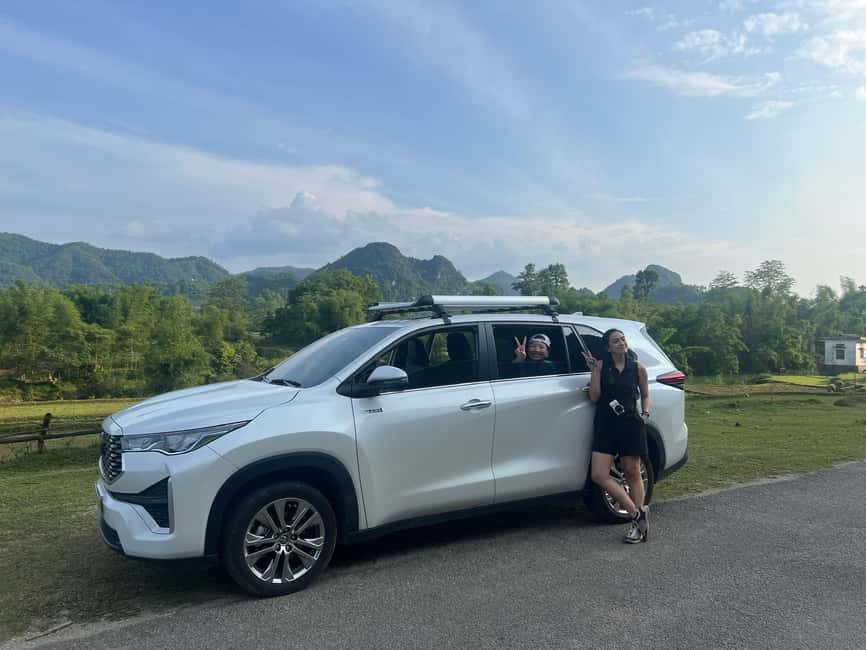
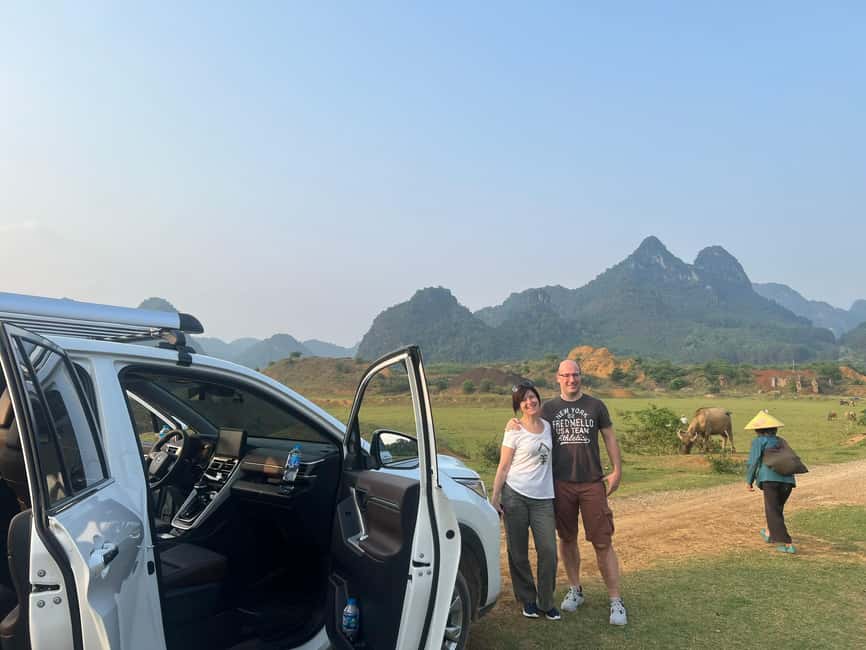
The morning drive is where the tour starts earning its keep. After pickup, you roll out around 7:30–8:30am on a scenic route that follows a mix of roads toward Ma Phuc Pass and then into ethnic village lanes. The emphasis is on scenery that changes as you move: stilt houses, children playing, and that “quiet countryside” feeling that’s hard to recreate if you’re stuck in one tight town circuit.
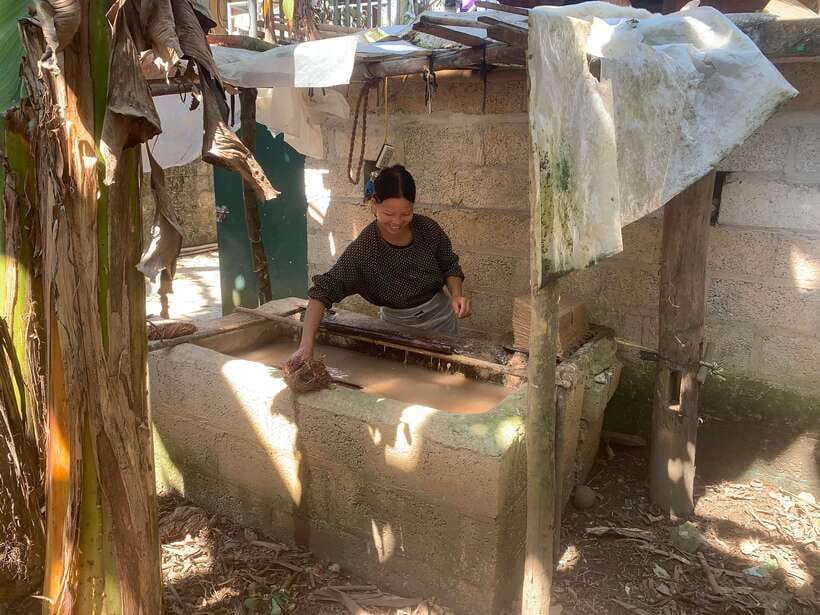
You also get the kind of stop many one-day tours skip: a craft village experience around 8:00–8:30am. This can be a paper craft village or a forging village depending on what’s set up that day. Either way, the point is the same: you get to see how people make things and how traditional daily life works in a place where tools and materials matter.
What I like about this portion is that it’s not just watching from a distance. The tour format is designed so you have time to go inside the work area and learn the basic process—good for visitors who want a little context with their photos.
Practical note: you’ll pass villages of Tày, Nùng, and Dao communities during 8:30–11:30am, and the route is chosen to avoid heavy traffic (fewer trucks/containers are mentioned). Translation: fewer road interruptions and more time for clean views and side-road photos.
Ngao Cave (Tiger Cave): what you’ll actually see underground
From the road scenery, the tour heads to Ngao Cave, also known as Tiger Cave, around 11:30–12:30pm. This is one of those stops where your “what am I looking at?” question matters, so it helps that the guide frames it for you.
The cave is described as keeping a pristine beauty, with natural stone columns formed over a huge timescale and stalactites that create shapes you can recognize—like a tiger statue, lotus flower image, boat, cactus, jellyfish, and a magic-stick type form. That list isn’t just decoration. It’s basically a cue for how to move your attention: don’t just look at the dark space, look for the recognizable shapes the guide points out.
The cave timing also helps. You’re not arriving after a rushed lunch scramble; you still have good energy, and the day isn’t at its late fatigue stage yet.
One consideration: caves tend to be cooler and sometimes damp. Even when you’re outdoors in Vietnam’s weather, bring or wear footwear you’re comfortable with for uneven stone.
Trúc Lâm Zen Monastery: panoramic Ban Gioc views plus a bridge reference
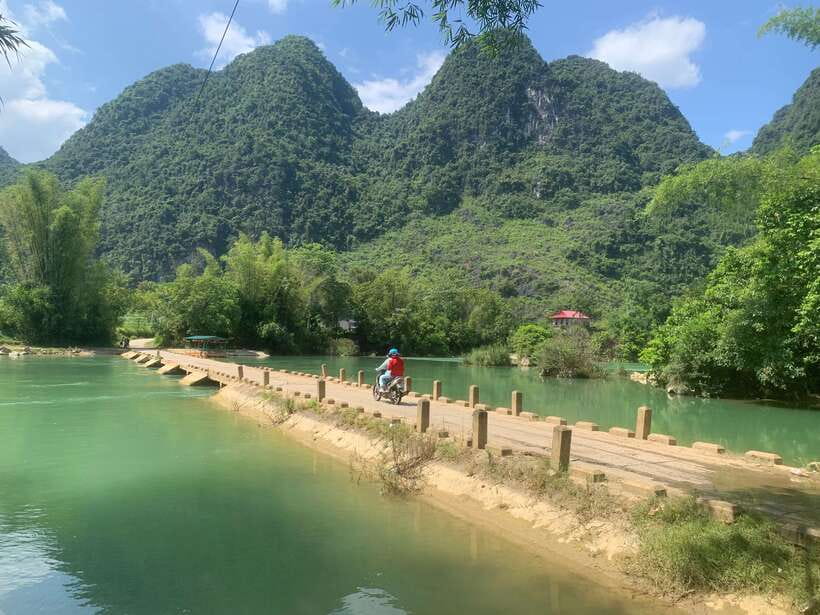
After lunch, the tour gives you a viewpoint stop that makes the waterfall section feel even more meaningful.
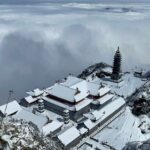
You’ll eat around 12:30–13:00pm at Thác Bản Giốc Restaurant, with Cao Bằng-style local food (and Ban Gioc-specific specialties mentioned). Then, around 13:00–13:30pm, you head to Trúc Lâm Zen Monastery. You climb up to the pagoda for a panoramic outlook over Ban Gioc Waterfall and the surrounding mountain-and-water setting.
This stop is valuable because it “sets the stage.” From up high, you see the geography that the rest of the day will move through—mountains, interlacing water, and the way the falls sit in the region. The tour description also notes the Chinese Glass Bridge on the other side. Even if you’re not focusing on that structure, it helps you understand why this area is famous across borders.
If you’re okay with stairs and a short climb, this is one of the most rewarding segments because it gives you the big picture before the close-up.
Ban Gioc Waterfall: the Vietnam–China border feeling up close
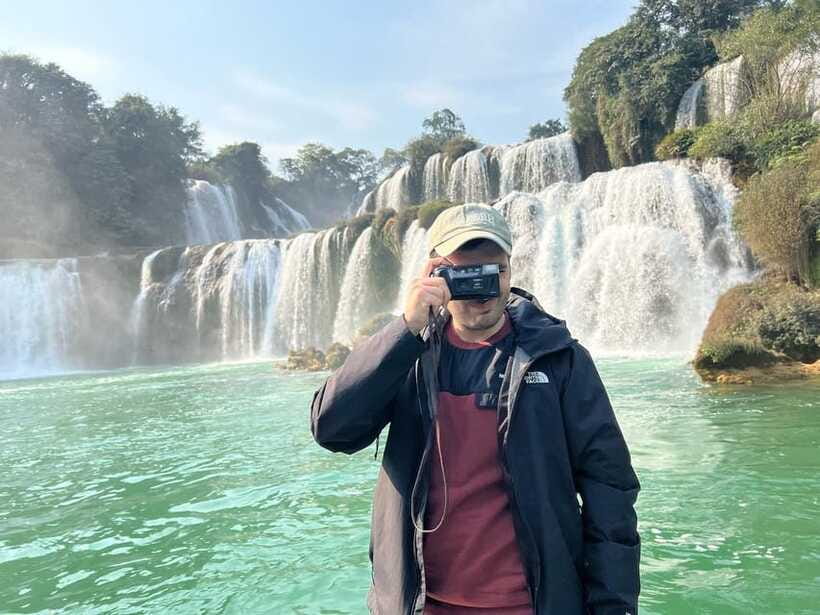
Then comes the star: Bản Giốc (Ban Gioc) Waterfall, scheduled around 13:30–14:30pm.
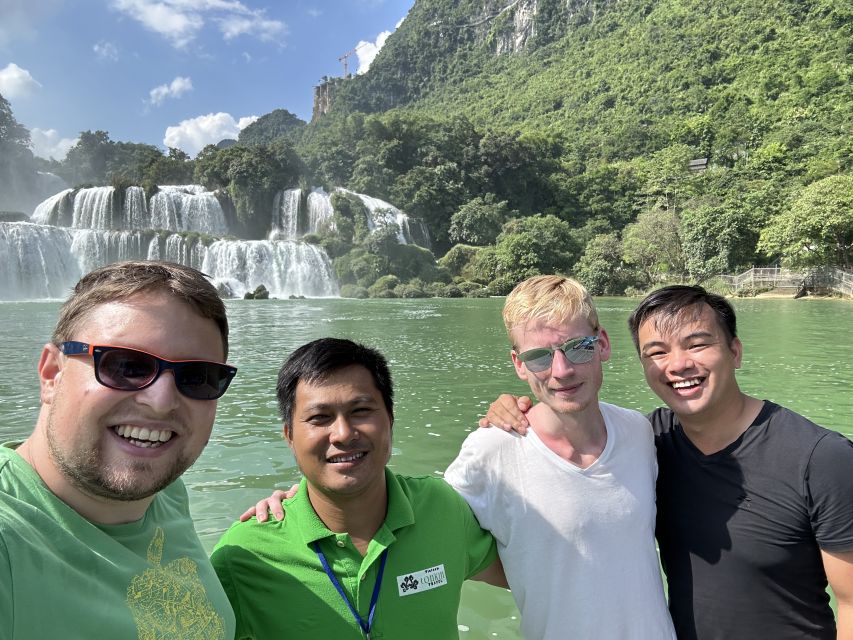
You’ll experience the falls in a way that’s both scenic and physical. The description emphasizes water dropping down to whitewash a river, with nearby rice fields and a cooler breeze. That breeze matters—it helps make the waterfall area feel like more than just a loud pile of water.
You also have the option of getting closer by boat—the raft/boat part is optional, and it’s not included in the base package. If you want the most memorable sensation, this is usually the portion visitors look forward to, because you can get splashed with water and feel it on your skin.
Here’s the emotional detail that makes it special: the river border between Vietnam and China runs through the middle, and the guide experience is built around that fact. It’s described as a moment that makes the trip feel extra happy because you’ve traveled nearly 100km to reach the border-area waterfall.
What to expect physically: bring a plan for getting wet (light rain-level wet, not “soaked all day”), and expect some areas to be slippery. Even with good weather, that mist is part of the package.




The return route: scenery without repeating the morning
One smart trick in the schedule is that you don’t just backtrack the entire day in the same way. After the waterfall (around 14:30–16:30pm), you return to Cao Bằng via another route, so you don’t feel like you’re running the same roads twice.
That means more mountain-and-hill views in the distance and more of the green-field feel along the way. It’s also a rest period in disguise. You’re still traveling, but you’re not forced to constantly stop at new crowds. It’s time to recover your legs before the final sunset segment.
For anyone trying to decide between a long day tour and doing pieces independently, this is a big reason to consider a guided route: the “different route” approach helps you see more without increasing the workload.
Angel Mountain sunset (Cyclop/Dragon Mountain)
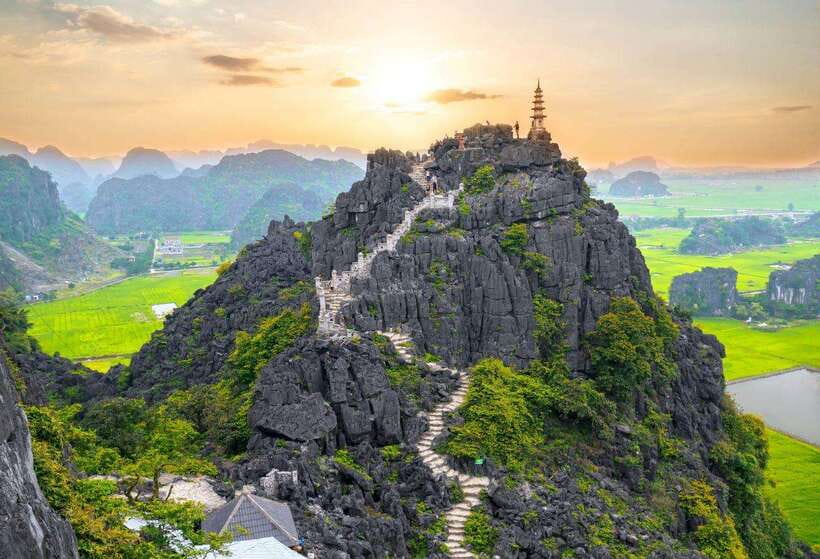
The final wow moment is Angel Mountain at sunset, timed for 16:30–17:30pm. It’s described as Cyclop Mountain or Dragon Mountain, and the viewpoint is called majestic by the guides and tour structure.
This is the payoff for a full day because the light changes everything. Even if you’ve seen mountains earlier, sunset changes the contrast. It also creates a calmer end to the itinerary than another stop inside a site.
If you’re sensitive to the idea of late-day walking, keep expectations realistic: you’re there for views, and you’ll likely spend time near viewpoints rather than sitting in air-conditioned comfort.
Then you’re back in Cao Bằng city around 17:30–19:00pm, and you can rest without worrying about driving or navigation.
Price and logistics: what value looks like on paper
The advertised price is $83 per person, with a 12-hour format and small group size (up to 10). You get lunch with local food, entrance fees and tickets, a bottle of water, and an English-speaking local guide, plus transportation by SUV/MPV/EV car.
But the total amount you pay can be higher once mandatory add-ons are collected:
- 10% VAT (mandatory), collected in cash
- $10 per person service charge + insurance (mandatory), collected in cash
- Solo traveler extra: $10 per person (mandatory)
- Hotel pickup/drop-off isn’t stated as included beyond pickup starting in Cao Bằng city (so if you’re staying just outside town, clarify pickup details)
So the best way to think about value is this: you’re paying for a full, guided, multi-stop route with paid entries and a scheduled lunch, not just “transport to a waterfall.” If you were to drive yourself, you’d still need time for ticketing, timing, and interpretation—especially for places like Ngao Cave where the guide’s explanation helps you see the formations.
One more logistics detail that can matter: if your booking is the only solo traveler, the tour may switch from car to motorbike for that solo person. If that’s not comfortable for you, mention it before confirming.
Who this tour suits best (and who should rethink)
This experience is a strong fit if you want:
- A one-day plan that hits Ban Gioc, Ngao Cave, and Trúc Lâm Pagoda without planning logistics
- A mix of nature + culture, including a craft village stop
- An English-speaking guide who explains what you’re seeing, not just where to stand for photos
- A small group and a comfortable car for a long day
You might want a different style of trip if you:
- Want a slower pace with fewer stops
- Don’t handle stairs and uneven cave surfaces well
- Are hoping the waterfall boat ride is included (it’s optional)
Should you book Ban Gioc Waterfall, Ngao Cave, and Trúc Lâm in one day?
I’d book it if your goal is to maximize what you see in Cao Bằng without stress. The combination of Global Geopark roads, a craft village, the guided cave visit, high-view Trúc Lâm, and the close-up Ban Gioc Waterfall is exactly the kind of “high value per hour” plan that makes a short trip worthwhile.
Book with your eyes open about two things: it’s a full day, and you should expect cash add-ons. If you’re comfortable with early starts and some active walking, this is an efficient and genuinely interesting way to experience Ban Gioc beyond just the main fall photo.
FAQ
What time does the tour pick me up in Cao Bằng?
Pickup is scheduled between 7:00am and 7:30am from your hotel area in Cao Bằng city.
How long is the Ban Gioc Waterfall and Cao Bằng day trip?
The total duration is 12 hours.
What main places are included in the itinerary?
You’ll visit the Cao Bằng Global Geopark area with scenic roads, a traditional craft village stop, Ngao Cave (Tiger Cave), Trúc Lâm Pagoda/Zen Monastery, Ban Gioc Waterfall, and Angel Mountain for sunset.
Is lunch included?
Yes. Lunch is included, with local food cuisine at Thác Bản Giốc Restaurant.
Are entrance fees and tickets included?
Yes. The price includes all entrance fees and tickets.
Is a boat/raft ride at Ban Gioc included?
No. A boat/raft ride at the waterfall is optional, not included in the base package.
Do I need to bring cash or a passport?
You should bring passport and cash. The mandatory VAT and service charges are collected in cash.
Does the tour include an English-speaking guide?
Yes. You travel with an English-speaking local guide.
What about solo travelers?
There’s a solo traveler mandatory service charge of $10 per person. Also, if your tour has only one solo traveler, the tour may be conducted by motorbike instead of a car.