REVIEW · HANOI
Authentic Bun Cha Hanoi making – with skyline view of Westlake
Book on Viator →Operated by The Good Vibes - Cultural and Local Experiences · Bookable on Viator
West Lake and bun cha make a strong case. This small-group class mixes a local market stop with a rooftop kitchen and skyline views over the lake. You’ll shop for ingredients and then turn them into Hanoi specialties with a friendly English-speaking host.
I love two parts most: the wet market visit where you see how locals pick herbs and produce, and the max group size of 10 that keeps the pace relaxed and questions answered. You’re not stuck watching from the sidelines.
One thing to keep in mind: it runs best in good weather, since you’re cooking on a rooftop setting. If the sky doesn’t cooperate, the experience may shift or reschedule.
In This Review
- Key highlights you’ll actually care about
- West Lake rooftop cooking makes Hanoi feel personal
- Market stop: the real start of bun cha
- Cooking bun cha Hanoi the way locals actually eat it
- Beyond bun cha: papaya salad, spring rolls, and a real meal flow
- Drinks, dessert, and the rooftop moment at the table
- Price and group size: why $40 feels fair here
- Logistics you should plan for (without making it complicated)
- Who should book this bun cha class in Hanoi
- Should you book this West Lake bun cha experience?
- FAQ
- How long is the bun cha cooking experience in Hanoi?
- What dishes will I learn to make?
- What’s included for food and drinks?
- Is pickup and drop-off included?
- How many people are in the class?
- What happens if the weather is bad or the minimum group size isn’t met?
Key highlights you’ll actually care about
- West Lake rooftop setting with wide city-and-lake views while you cook and eat
- Wet market shopping so your bun cha starts with real Hanoi ingredients
- A 4-course menu built around bun cha plus other classic dishes like papaya salad and spring rolls
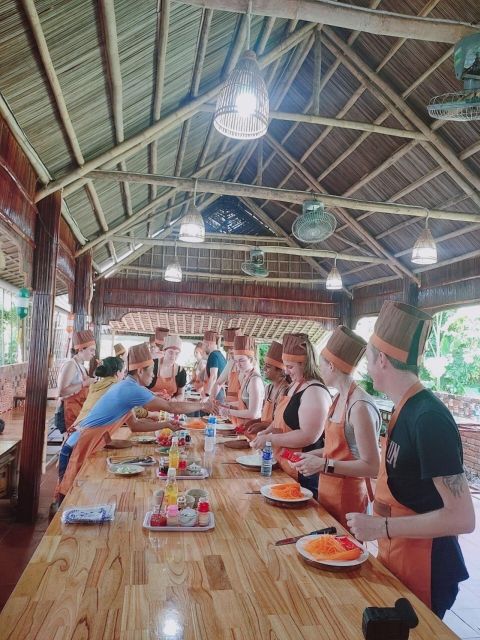
- Small class size (up to 10) for personal attention and a smoother learning curve
- Free drinks and dessert, including beer or soft drinks, a local wine tasting, and a secret homemade sweet
West Lake rooftop cooking makes Hanoi feel personal
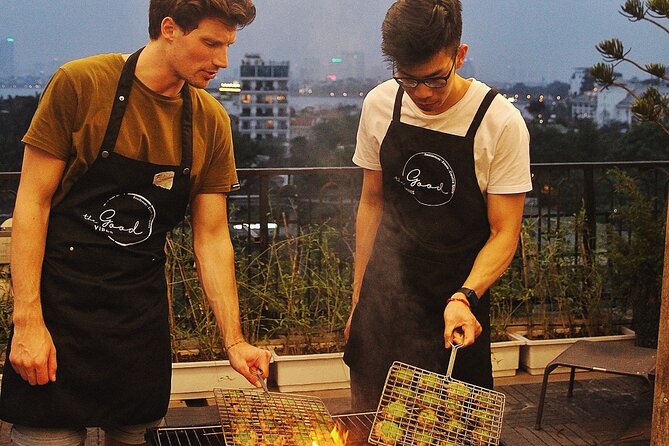
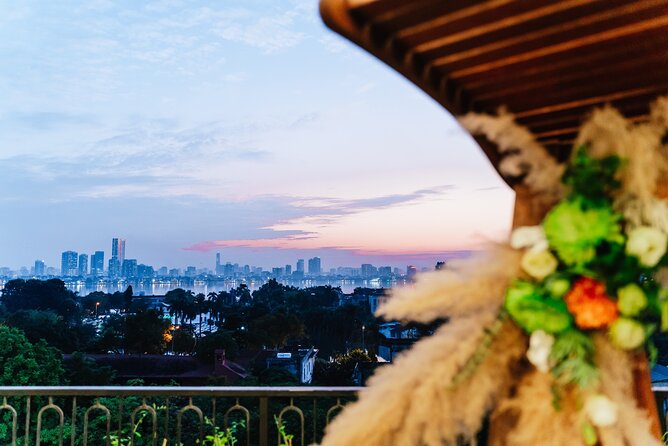
A cooking class can be fun. This one also feels like you’re seeing Hanoi from a calmer angle. The kitchen is on a rooftop facing West Lake, so when you pause between steps, you get skyline views and that big, open lake air. Even if you’re not the most confident cook, the setting does half the work.
You’ll also notice the vibe is intentionally not stuffy. Expect a relaxed meal setup where you cook, then sit down to eat what you made. That matters, because bun cha isn’t just a recipe. It’s a whole way of eating in Hanoi—tableside timing, fresh herbs, and the balance between the grilled pork and dipping sauce.
If you’re short on time in Hanoi, this kind of class is a smart way to pack culture into one evening-sized block. And because the class is small, it’s easier to connect with your host and learn the why behind the flavors, not just the what.
You can also read our reviews of more tours and experiences in Hanoi.


Market stop: the real start of bun cha
Before you cook, you head to a local wet market to shop for fresh ingredients. This is where the experience turns from generic cooking to clearly Hanoi. Seeing the produce up close helps you understand what makes the dish taste right later—especially the herbs and greens that bring brightness to bun cha.
You also get to purchase ingredients there, so you’re not relying on pre-measured bundles that could be anything. That difference shows up when you assemble the dish and adjust herbs or sauce intensity based on what you bought.
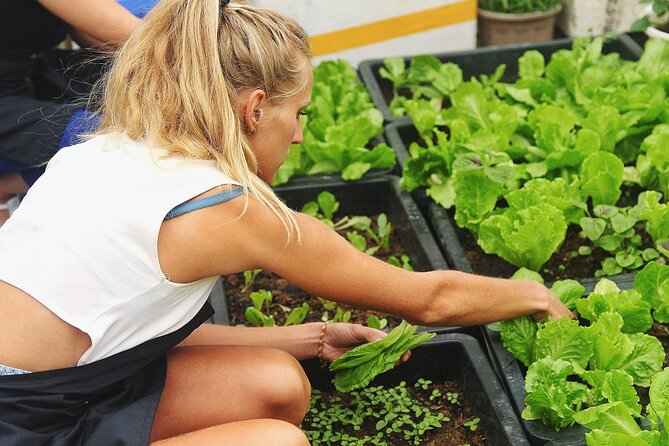
One extra practical touch: the experience also includes picking vegetables and Vietnamese herbs from an organic garden. So you get both the city market feel and a more farm-fresh set of ingredients. If you like cooking with ingredients that taste like themselves, this is a big plus.
What to watch for during the market: don’t just snap photos. Ask what’s used and why. The best classes make you notice textures—crisp herbs, tender greens, and how different produce holds up when mixed into the meal.
Cooking bun cha Hanoi the way locals actually eat it
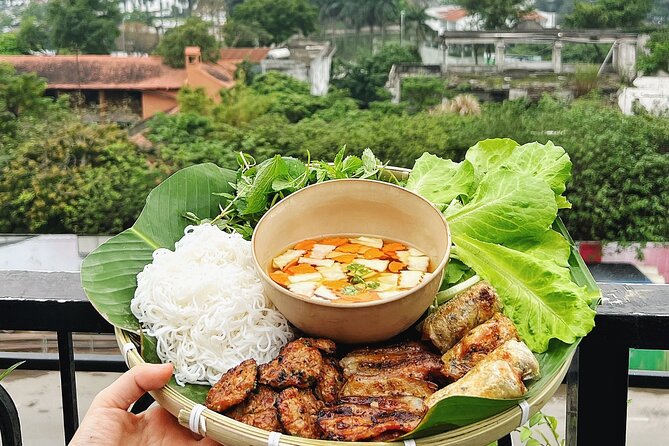
The centerpiece is bún chả Hànội, and you’ll learn to make it with instruction from the host. The class focuses on the Hanoi version, which is a useful reminder: Vietnamese dishes aren’t one-size-fits-all. Bun cha can shift by region, and Hanoi’s style is its own thing.
In practice, you’re not just mixing ingredients. You’re learning how the different parts work together so the whole bowl makes sense: the grilled pork component, the dipping sauce, and the way you build the meal with fresh herbs and the right base. The goal is that when you take a bite, each element still tastes separate—even though you eat it as one flavor system.
You also get history and cultural context along the way. That’s not fluff. When you understand the dish’s place in Hanoi eating habits, you tend to cook with more attention. You’ll also pick up practical eating etiquette—things like how the meal is traditionally enjoyed and the rhythm of serving and mixing.
From the vibe in the room, you can tell the hosts care about making it easy. Names you might run into include Thinh, My, Dinh, or Dean, and several of them are described as warm, conversational, and clear about restrictions. In other words, you’re not walking into a lecture hall.
Beyond bun cha: papaya salad, spring rolls, and a real meal flow
A big value point here is the 4-course menu. Bun cha is the star, but you’ll also make other traditional dishes such as papaya salad and spring rolls (and you may see additional local favorites depending on the session). This changes the class from a one-dish demo into a fuller cooking-and-eating experience.
Why that matters: you get a broader feel for Hanoi flavors—fresh, crunchy, and herb-forward—so even if bun cha is what you came for, you leave with more than one recipe. And when you sit down to eat, it’s not just leftovers from cooking. It’s a planned meal.
The flow is also part of the learning. You cook, then you eat the results with the rooftop views in the background. That makes it easier to remember what you did and why it tasted the way it did. If you’re the type who forgets recipes after a trip, this format helps you translate what you learned into your own kitchen later.
There’s also a strong cultural layer built in: you’ll hear stories about Vietnamese eating habits and culinary culture, with extra focus on Hanoi. And you’ll get guidance on eating etiquette, so you can try to follow local style even after you finish the class.
Drinks, dessert, and the rooftop moment at the table
Once the food is ready, the best part is the sit-down. You’ll enjoy what you cooked with free 1 beer or soft drinks, plus a free local wine tasting. You don’t have to force alcohol either—there are non-alcohol drink options, and if you’re not of legal drinking age, you should stick to those.
This meal time is where the West Lake views become more than decoration. When you’re eating, you notice the contrast: grilled savory flavors, bright herbs, and cool lake air. One session may line up with sunset, and the rooftop setting makes that moment feel built in rather than accidental.
Then comes the sweet end: you’ll be introduced to a secret homemade dessert and experience it in a traditional way. That’s a nice souvenir, because it’s not just another street snack you can recreate from a random ingredient list. It’s a local-style finish tied to the hosts’ home kitchen approach.
In short, you’re not just learning a recipe—you’re getting the full meal rhythm.

Price and group size: why $40 feels fair here
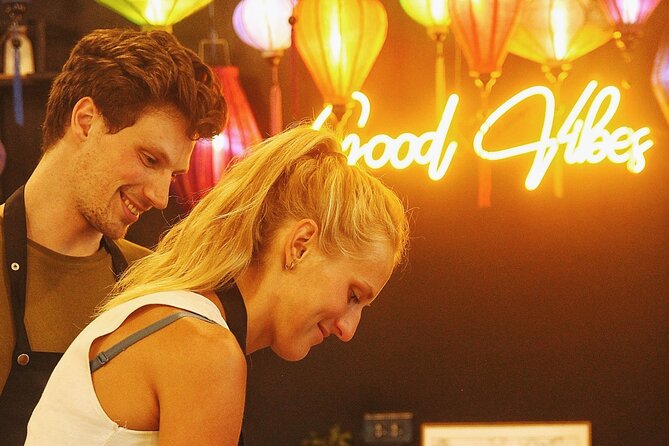
At $40 per person for about 4 hours, this class is priced like a value choice rather than a luxury cooking day. Here’s what you’re getting for that money, based on the included elements:
- hotel pickup and drop-off to the venue
- a local market tour for ingredient shopping
- instruction from a local English-speaking host
- ingredients work, including vegetables and herbs from both market and organic garden
- a 4-course menu including bun cha and other classics
- drinks: beer or soft drinks, plus a local wine tasting
- a secret homemade dessert
The small group size (max 10) is the hidden value. It’s not just for comfort. When you cook with fewer people, you get better feedback, and you’re less likely to lose your turn while the host handles everything for a bigger class.
If you’re comparing options in Hanoi, look at what’s included beyond the cooking. This one stacks multiple parts—market, ingredients, meal, drinks, and pickup—into a single price tag.
Logistics you should plan for (without making it complicated)
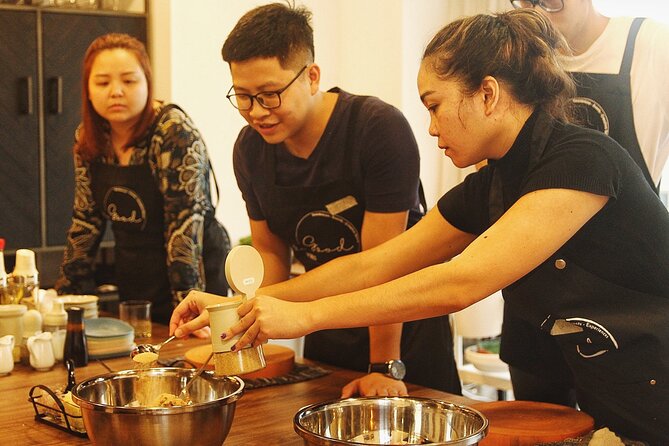
This runs with a pickup and drop-off setup, and the experience ends back at the meeting point. You’ll also receive a mobile ticket, and confirmation comes when you book. The venue is described as near public transportation, which is useful if you want a Plan B.
Also, the experience is weather-dependent. Since the cooking is on a rooftop, plan to dress for Hanoi breezes. A light layer helps if the lake air cools down.
If you have allergies or dietary restrictions, you should tell the host in advance. The experience specifically asks you to let them know, so they can accommodate you.
Who should book this bun cha class in Hanoi
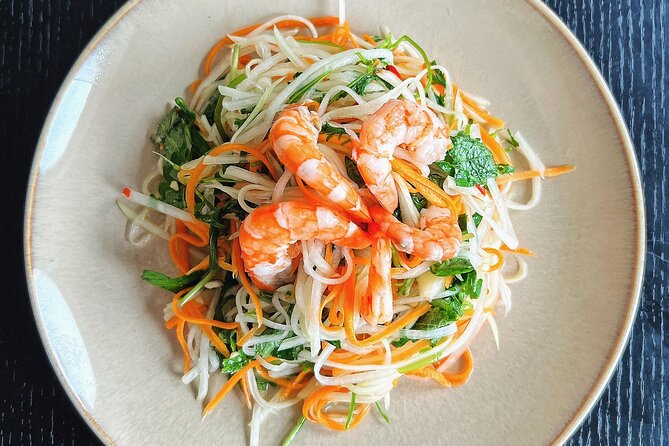
Book it if you want one practical, memorable way to learn Hanoi food without hunting down ingredients and vendors on your own. This fits especially well if you like food that depends on fresh herbs and sauce balance.
It also works well for couples and small groups because the class cap keeps it social but not chaotic. And if you enjoy learning the cultural side of eating—not just the recipe—you’ll appreciate the etiquette and stories built into the meal.
Consider a different option if you strongly dislike rooftop settings or you’re traveling at a time when weather is unpredictable. Since the class requires good weather, it’s better to be flexible.
Should you book this West Lake bun cha experience?
I think it’s a strong booking choice if you’re excited about bun cha and you want the full Hanoi experience in a single session: market shopping, hands-on cooking, and a rooftop meal with views. The price feels fair because the class includes much more than the cooking itself—pickup, ingredient sourcing, multiple dishes, drinks, and dessert.
If you’re only chasing one recipe and nothing else, you might find it slightly broader than you need. But if you want flavors, context, and a real eating rhythm, this is the kind of tour that sticks with you.
FAQ
How long is the bun cha cooking experience in Hanoi?
It runs for about 4 hours.
What dishes will I learn to make?
You’ll learn to make bún chả Hanoi and other traditional Vietnamese dishes, with examples including papaya salad and spring rolls.
What’s included for food and drinks?
You get a 4-course menu including bun cha, and you’ll also taste a secret homemade dessert. Drinks include free beer or soft drinks (1) and a free local wine tasting.
Is pickup and drop-off included?
Yes. You can get pickup and drop-off to and from the experience venue, and the activity ends back at the meeting point.
How many people are in the class?
The class is limited to a maximum of 10 travelers.
What happens if the weather is bad or the minimum group size isn’t met?
The experience requires good weather, so if it’s canceled due to poor weather you’ll be offered a different date or a full refund. If the minimum number of travelers isn’t met, you’ll also be offered a different date/experience or a full refund.