REVIEW · HANOI
21-Day Vietnam Itinerary Explore North to South Highlights
Book on Viator →Operated by Authentic Adventures · Bookable on Viator
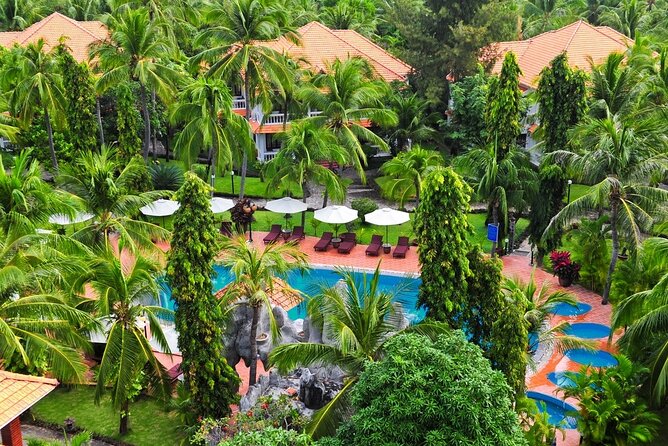
Fresh air and temples in Hanoi.
This 21-day North-to-South Vietnam highlights trip is built around movement, not sitting still. You get Hanoi’s big cultural hits, plus mountain villages in Sapa, water time on Lan Ha Bay, UNESCO sights in Hue and My Son, then beach relaxation in Nha Trang before finishing with Saigon and the Mekong’s early-morning floating market.
I especially like two parts. First, the itinerary feels like it connects places you actually see: pagodas, universities, royal sites, caves, and markets, not random stops. Second, the trip is genuinely all-inclusive for most of the day—private-room lodging, most meals, air-conditioned transport, and admission fees are handled, so you spend your energy on what’s outside the bus window.
The main drawback is pacing. This is a lot of ground in 21 days. You’ll face early starts, long transit days, and more than one domestic flight, so it’s best if you like your vacations with a plan (not a long, slow wander every single day).
In This Review
- Key things to know before you go
- Landing in Hanoi: Pagodas, museums, and Hoan Kiem Lake timing
- Ninh Binh day trips: Hoa Lư, bamboo boats in Tam Coc, and the Mua Cave climb
- Bai Dinh and Trang An: big pagoda energy plus UNESCO caves
- Sapa trek days with villages and family meals: Cat Cat, Y Linh Ho, Ta Van, and Giang Ta Chai
- Lan Ha Bay early morning: Tai Chi, sunrise views, and a water-day that actually slows time
- Da Nang free time: My Khe Beach plus a simple on-ramp to Hue
- Hue Imperial City and Khai Dinh: citadel, royal tomb, and Thien Mu Pagoda
- Hoi An and My Son: UNESCO sanctuary, ancient town walks, and market time
- Ba Na Hills cable car day and Fantasy Park time in Hoi An
- Nha Trang: leisure time that lets you choose your pace
- Ho Chi Minh City plus Cu Chi Tunnels: reunification, war memory, and a countryside escape
- Mekong Delta: My Tho boat time, Ben Tre, and the early Cai Rang floating market
- What you pay for: flights, private rooms, and planned meals
- Should you book this 21-day North-to-South Vietnam highlights tour?
Key things to know before you go

- Small group size (max 12): easier logistics, and you’re less likely to feel lost in the shuffle.
- Domestic flights included: Hanoi to Da Nang, then onward to Nha Trang and Ho Chi Minh City, which saves real hours.
- UNESCO in multiple regions: Trang An, the Imperial City in Hue, and My Son Sanctuary all land on the route.
- Real early-morning starts on water: Tai Chi and sunrise on Lan Ha Bay, plus a pre-7am Cai Rang market visit.
- Sapa is not just photos: village trekking, a family lunch, and a cooking class are part of the experience.
Landing in Hanoi: Pagodas, museums, and Hoan Kiem Lake timing

Most tours start with jet lag. This one starts with pickup and a transfer to your accommodation after you land at Noi Bai International Airport. That matters because Hanoi traffic can be chaotic, and you don’t want your first evening to be a paperwork and taxi scavenger hunt.
Day 2 is classic Hanoi with a smart mix of religion, national stories, and everyday city life. You begin at Trấn Quốc Pagoda, described as one of Hanoi’s oldest pagodas (built in the 6th century). Then you head to the Ho Chi Minh Mausoleum complex and the One Pillar Pagoda. If you’re the type who likes context, you’ll also stop at the Vietnam Museum of Ethnology, which is known for both indoor and outdoor areas.
In the afternoon, you visit the Temple of Literature and National University, one of the key markers of Vietnam’s early education tradition dating to the 11th century. You end the day near Hoan Kiếm Lake with a trip to Ngoc Son Temple. It’s a strong way to see Hanoi move from formal and historical to calm and local.
Practical note: there are multiple time windows (morning starts, then an afternoon switch). Wear shoes you don’t mind walking in. Hanoi streets are not the place for fragile footwear.
You can also read our reviews of more tours and experiences in Hanoi.

Ninh Binh day trips: Hoa Lư, bamboo boats in Tam Coc, and the Mua Cave climb
After Hanoi, the route heads to Ninh Bình, where limestone cliffs and river valleys change the whole feel of Vietnam. Hoa Lư Ancient Capital is your first stop. It’s tied to the country’s history between 968 and 1010, and it’s the kind of site that helps you understand why this area became so important.
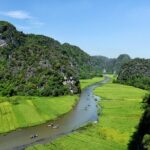
Then comes Tam Cốc–Bích Động. You do a 1.5-hour bamboo boat ride, and the description is specific for a reason: you’re surrounded by paddy fields, river bends, cloud and sky views, and cave formations along the system. This is the part of the trip that’s easiest to remember later because you’re moving slowly through the scenery.
In the late afternoon, you switch gears to Mua Caves (often called Dancing Cave). You get back to a limousine bus, then walk up almost 500 steps to the top of Lying Dragon Mountain for panoramic views over Tam Coc. This is also where you’ll learn whether you brought good leg stamina.
Value check: this day is a good return on effort. You’re getting heritage at Hoa Lư, scenic cruising in Tam Coc, and viewpoint payoff at Mua Cave—three different ways of seeing one region.
Bai Dinh and Trang An: big pagoda energy plus UNESCO caves

The Bai Dinh Pagoda day starts with a breakfast and check-out, then a transfer to Bai Dinh. It’s framed as the most famous and biggest pagoda area, and the time set aside (about 4 hours) signals that this isn’t a quick photo stop. Plan for a lot of walking on temple grounds.
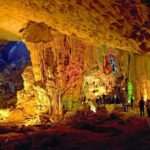
Next you visit the Tràng An area, recognized by UNESCO as a World Heritage Site in 2014. The highlight here is the tunnel cave system. It’s also noted that the Kong film location used this kind of landscape for a version in 2016, which gives you a fun pop-culture hook as you ride through the caves.
Why this works: after the boat day in Tam Coc, you get a different water-and-rock experience here. One is open valley scenery. The other is a cave journey where light and sound do their own thing.
Consideration: these are long sightseeing blocks. If you hate museum-and-temple days, you might feel rushed. But if you like Vietnam’s sacred spaces and natural features, this pairing is a solid win.
Sapa trek days with villages and family meals: Cat Cat, Y Linh Ho, Ta Van, and Giang Ta Chai

This is the part of the trip where Vietnam changes from urban and river-focused to mountain and village-focused. The route leaves early from Hanoi Old Quarter for Sapa via a big bus, then transfers through Lao Cai with rest stops. It’s a long day, but it’s built that way so you arrive and can actually trek.
In Sapa proper, you visit Cat Cat village in the afternoon. Your local guide shows daily life in a Black H’mong community near the foot of Fansipan Peak. Then you get a morning trek day starting at Y Linh Ho, moving through rice terraces and along Muong Hoa Stream. The route continues to a point near villages where the valley view really starts to make sense.
A highlight is the village stay feel in Ta Van Village, described as home of the Dzay ethnic group. You get lunch prepared by the family with Vietnamese dishes, then check into a bungalow and get to know the home setting.
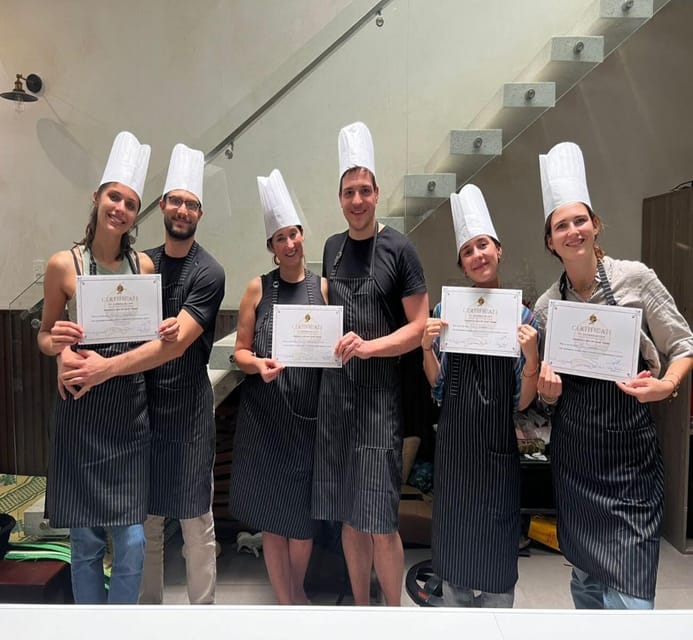
Another trek day includes a cooking class at Giang Ta Chai Village. You learn how to make foods like pho and nem cuốn, and then you eat a breakfast the family prepares. The trekking distance listed is about 3 km for roughly 3.5 hours, plus a later return process where the bus picks you up after reaching the main road.
Then there’s a second Giang Ta Chai day segment with a walk over the Giang Ta Chai Bridge and a return to Sapa town.
What I like about these Sapa days: they’re not just “walk, take picture, leave.” You get village life contact, meals, and hands-on cooking. That makes the region feel human, not just scenic.
The drawback: this section rewards physical willingness. Expect uneven paths, stairs, and cooler mountain mornings. If you’re visiting with limited mobility, you may want to check whether the trekking segments fit your comfort level.
Lan Ha Bay early morning: Tai Chi, sunrise views, and a water-day that actually slows time

From Sapa, the trip continues to Ha Long area via a transfer from Hanoi train station setup and a mini hotel break for short rest and breakfast. Then you head out toward Lan Ha Bay.
The boat days are where the schedule loosens up. You spend time on the water in Lan Ha Bay with stops that include Gia Luan area, Thoi Quyt island, Ke Ga, and Finger. On one of the key mornings, you wake up early for Tai Chi on the sundeck, followed by sunrise watching and a breakfast with tea.
This is your chance to do less talking and more watching. The light changes fast at dawn, and your brain needs a little quiet after busy city temples and Sapa trekking.
Then the day includes a transition: you transfer to Noi Bai Airport for a flight to Da Nang and overnight in Da Nang.
Practical tip: morning boat and sunrise time can mean cold wind even in warmer months. Pack a layer you’re willing to wear on a deck.



Da Nang free time: My Khe Beach plus a simple on-ramp to Hue
Da Nang gets a more relaxed day. You have free time, and the plan points you toward My Khe Beach, which is sandy and good for a morning swim or slow walk. You’ll also have time to wander around Han Market.
The value here is recovery. After early starts and long transit, you get a breather before the historic day in Hue.
If you like to keep moving, this is still active time. If you like to do almost nothing, you can.
Hue Imperial City and Khai Dinh: citadel, royal tomb, and Thien Mu Pagoda

You depart Da Nang early and head to Hue. The day is structured around three major stops: the Imperial City, the Tomb of Khải Định (Ứng Mausoleum), and Thien Mu Pagoda on the Perfume River.
The Imperial City is identified as a UNESCO World Heritage site, and you have about 3 hours there. The Tomb of Khải Định is scheduled for around 2 hours, and it’s described as having a blend of Vietnamese arc and other design influences, which helps you understand why it’s often photographed from multiple angles.
Thien Mu Pagoda comes in the afternoon. It’s described as a seven-story pagoda on the riverbanks, and this stop feels like a pause between the royal-site intensity and the ride back to Da Nang at sunset.
Why it matters: Hue is one of Vietnam’s “rules and rituals” cities. Even if you’re not a big history reader, the structure of the day makes it easier to connect what you see to how the royal court lived.
Hoi An and My Son: UNESCO sanctuary, ancient town walks, and market time

The next big UNESCO day is My Son Sanctuary. You start with breakfast, then head to the site described as a UNESCO World Heritage site. Time set aside is about 4 hours, which is enough to see major ruins without feeling like you’re sprinting.
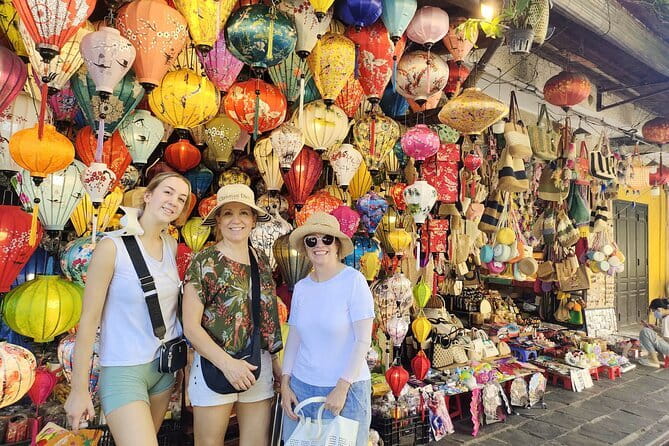
After that, you move to Hoi An Ancient Town for a walking tour. You also get Colorful Local Market time in the description, which is a useful reminder: Hoi An isn’t only lantern streets. It’s food, cloth, and daily commerce.
You then get a full Hoi An free time day, which is one of the smartest ways to let your interests win. If you want to shop, people-watch, or just slow down by the water, you have the time built in.
Value note: this combination works well because it mixes a ruined religious site with a living town. One day gives you roots. The next lets you see the present-day culture.
Ba Na Hills cable car day and Fantasy Park time in Hoi An
This part is a change in mood. You head to Ba Na Hills for a trip with a cable car ride (35 km journey to Ba Na). The description highlights “five world records,” which tells you the ride is the showpiece here. You spend about 4 hours at Ba Na Hills, so it’s not just ticketing and riding.
Then the plan also includes time at Fantasy Park. It’s described as the third-largest indoor games zone in Vietnam, and the time set aside is about 5 hours. That can be a fun reset day if you’ve been temple-heavy.
If you care mainly about Vietnam’s traditional culture, this day might feel less meaningful. But as a change of pace, it can help keep the whole 21 days from turning into an endless sequence of sacred sites.
Nha Trang: leisure time that lets you choose your pace
After flight from Da Nang to Nha Trang, the itinerary gives you real free time. Day 15 includes leisure time after check-in. Day 16 again is a full free day, with options listed like snorkeling or diving among coral reefs, hiking nature trails, spa treatments, and a private plunge pool.
Day 17 is another half-leisure day until you fly to Ho Chi Minh City.
What I like about this structure: it respects that Nha Trang is different. Some people want water time. Some people want rest. You can match your vacation style to the location.
Practical consideration: snorkeling and diving are weather- and sea-condition dependent. If the water isn’t cooperating, you still have trails and spa options listed.
Ho Chi Minh City plus Cu Chi Tunnels: reunification, war memory, and a countryside escape
Ho Chi Minh City gets a guided start. You visit Independence Palace (the Reunification Palace) and the War Remnants Museum. That’s a serious two-part introduction: one is political architecture and timeline. The other is wartime documentation and memory.
Then you head to Cu Chi Tunnels. You depart mid-afternoon through the countryside and arrive at the tunnels described as where Vietnamese soldiers used it as a shelter during wartime. The allocated time is about 2 hours.
This pairing is intense, but it’s also practical. It gives you both city-level context and a reality check of what the land meant to people in wartime.
Consideration: this is not light sightseeing. If you’re sensitive to war history, you might want to pace your time in the museum and bring breaks for your mind.
Mekong Delta: My Tho boat time, Ben Tre, and the early Cai Rang floating market
The final leg is the Mekong Delta. You start in the morning with exploration described as lush landscapes and intricate waterways, then visit My Tho where you take a boat journey along the Mekong River. The schedule also brings you to Ben Tre and then onward to Can Tho, where you check in and unwind.
Day 20 is the biggest morning draw: Cai Rang Floating Market. You go around 6:30am, described as the wholesale fruit and vegetable market at its busiest. You cruise through small channels too.
This is where the trip ends in a strong cultural routine. Markets start early here. You’re seeing how people organize trade before the heat sets in.
Practical note: floating market mornings can be bright and breezy. Bring sun protection and water, especially if your day starts before sunrise.
What you pay for: flights, private rooms, and planned meals
At $2,498 per person for a 21-day tour, the value depends on what you’d otherwise arrange yourself. Here, domestic flight tickets are included. That’s not small money in Vietnam, and it also cuts down the number of long overland segments.
You also get air-conditioned vehicle transport, a private room for accommodation, and all entrance fees for included sightseeing. On top of that, meals are built in: breakfast is included 19 times, lunch 14 times, and dinner 3 times.
So you’re paying for fewer moving parts. Instead of you researching ticket prices and private drivers between regions, the tour handles it. That matters if you want to focus on sights and not on logistics.
One more factor: group size is capped at 12 travelers. Smaller groups usually feel smoother, and it also helps with how quickly you can get on and off transport.
Where value can feel less great: if you love spontaneous plans and hate set schedules, an all-inclusive itinerary will feel like paying to be organized.
Should you book this 21-day North-to-South Vietnam highlights tour?
Book it if you want a structured route that hits major Vietnam regions without forcing you to coordinate every transport and entrance ticket. The mix of Hanoi culture, Sapa village trekking with cooking and family meals, Lan Ha Bay early sunrise time, UNESCO stops in Hue and My Son, plus a meaningful Mekong finish is a strong “first big Vietnam trip” shape.
Skip it or rethink your fit if you need a slow pace. Early starts are part of the deal, steps at Mua Cave are real work, and multiple flights mean you’ll spend some time in transit. Also, if war history days feel heavy for you, plan mentally for those museum hours.
If your travel style is: see the icons, get local culture contact, and trust the planning, then this itinerary is built for you.