REVIEW · HANOI
21-Day Beauty of Vietnam, Cambodia And Thailand
Book on Viator →Operated by Vietnam Tour 247 · Bookable on Viator
A good three-country trip is hard to plan, and this one is built around the big hitters. You’ll move from Hanoi to Ha Long Bay, then down to Hoi An, across to the Mekong Delta, up through Angkor, and finish with temples-and-river days in Bangkok before relaxing in Phuket. The route works because it mixes guided sights with genuine free time where you can pace yourself.
I especially like the way the itinerary includes both signature landmarks (from Temple of Literature to Angkor Wat) and hands-on moments like a Halong Bay boat-and-kayak day and cycling in the Mekong. I also like that support feels practical: people have pointed out quick help via WhatsApp, with staff names like Jenny and David coming up, which matters when you’re juggling flights and time changes. One drawback: you’ll have several flight days, so it’s not a slow, sleepy “one city” vacation.
This package also aims at value, not just sightseeing. You get hotels (3- or 4-star based on your choice), English-speaking guidance, listed entrance tickets, airport transfers, and key domestic flights with luggage allowance spelled out. Still, it’s worth considering that many meals and transfers are structured, while your free time needs your own planning and phone access.
In This Review
- Key things that make this tour worth your attention
- A 21-day route that balances Hanoi, Angkor, and beach time
- Hanoi arrival: a smooth start that gets you oriented fast
- Ha Long Bay boat-and-kayak day: why this part feels worth the hours
- Temple of Literature and Vietnam Museum of Ethnology: learning without the lecture vibe
- Hoi An + My Son: ancient ruins and a town you can actually enjoy on foot
- Ho Chi Minh City and the Mekong Delta: a shift from grid cities to river life
- Siem Reap and Angkor: three temple styles in two days
- Bangkok’s Grand Palace and Wat Pho: the classic combo that sets the tone
- Floating markets and Maeklong Railway Market: Thailand’s day-trip chaos, in a good way
- Phuket and Phi Phi: end the trip with real ocean time
- Price and logistics: what the $2,950 actually buys you
- The right match for this tour (and who should think twice)
- Things to watch so your trip feels easy, not exhausting
- Should you book this 21-Day Beauty of Vietnam, Cambodia and Thailand tour?
- FAQ
- Where does the tour start and end?
- How long is the tour?
- What is the main route?
- Does the price include flights and airport transfers?
- Are entrance tickets included?
- Is there a guide, and what language?
- Can I choose hotel quality?
- Is the tour suitable for vegetarians or vegans?
- Is pickup offered?
- How big is the group?
Key things that make this tour worth your attention
- A 21-day route across three countries that keeps travel days predictable and grouped by region
- Ha Long Bay includes boat + kayak, not just a quick stop for photos
- Hoi An + My Son are paired well, so you get both trading-town charm and UNESCO ruins
- Angkor days are built around the main complexes, including Angkor Thom and Ta Prohm
- Bangkok combines temples with a Chao Phraya river boat ride plus Wat Pho’s Thai massage school
- Phuket + Phi Phi give you proper beach time at the end, rather than rushing out
A 21-day route that balances Hanoi, Angkor, and beach time
If you want one trip that hits Vietnam, Cambodia, and Thailand without having to book a separate tour in each country, this is the kind of package that fits. The pacing is mostly guided in the morning and earlier afternoons, then it leaves breathing room for you to wander, shop, or just rest.
The biggest strength is how the route matches geography. Hanoi and Ha Long Bay are paired. Hoi An and My Son sit close enough to feel like one cultural zone. Then you shift to Ho Chi Minh and the Mekong Delta—very different scenery, but a logical pairing. After that comes Siem Reap and the temple complexes at Angkor, followed by Bangkok’s city highlights and then the island finale in Phuket.
You’ll also notice the trip is designed for “first-timers” as well as returning travelers. The major sites are included (so you don’t miss the essentials), but the day-to-day includes opportunities to choose your own pace on the free days.
You can also read our reviews of more tours and experiences in Hanoi.


Hanoi arrival: a smooth start that gets you oriented fast
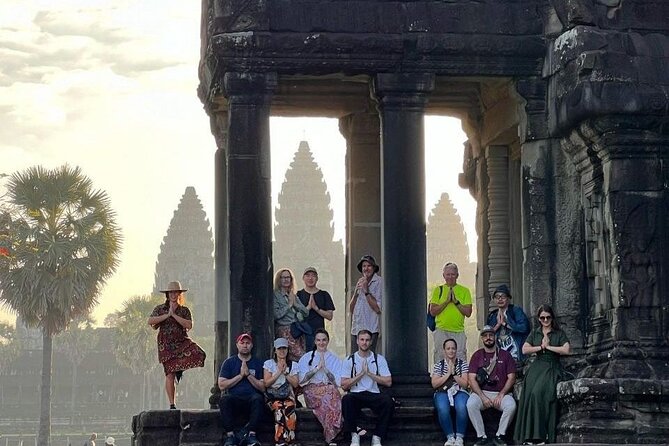
You start at Noi Bai International Airport in Hanoi, and you’re met by a private driver with your name on a sign. That sounds small, but it matters. After an international flight, getting from the airport to the center without extra hassle helps you actually enjoy your first evening.
Once in Hanoi, you’re set up with a city-stay overnight. This is one of those built-in “settle in” segments where you can recover jet lag, grab a street snack, and learn how the city rhythms work before you start moving again.
Practical tip: Hanoi can feel busy and hot early in the day. If you can, do your first walk after you’ve eaten and your phone’s working. With the phone service and data tip that comes up in feedback, you’ll be able to find places quickly during free time and not rely only on Wi-Fi.
Ha Long Bay boat-and-kayak day: why this part feels worth the hours
Ha Long Bay is the kind of place where the difference between a tour and a real cruise shows. Here, you get a proper day on the water. The plan includes boarding the vessel, lunch onboard, and time cruising through the limestone scenery.
You also get kayak time, plus an optional-feeling stop at a pearl farm village along the way. Kayaking is the key ingredient for most people because it slows you down. It’s harder to rush. You end up paying attention to details—limestone shapes, water color, and how the islands look from different angles.
The only consideration is timing and weather. Like any boat day in this region, you should expect a full schedule, and you’ll want light rain protection even if skies look clear in the morning.
Temple of Literature and Vietnam Museum of Ethnology: learning without the lecture vibe
After the bay, the trip shifts into history-and-culture mode in Hanoi. The Temple of Literature is included, which gives you Vietnam’s old-school academic and philosophical roots in one very walkable area.
Then you visit the Vietnam Museum of Ethnology. This stop is especially valuable because it helps you understand Vietnam as more than one city or one tradition. You’ll see exhibits that cover the country’s different ethnic groups, and that makes later stops feel more connected.
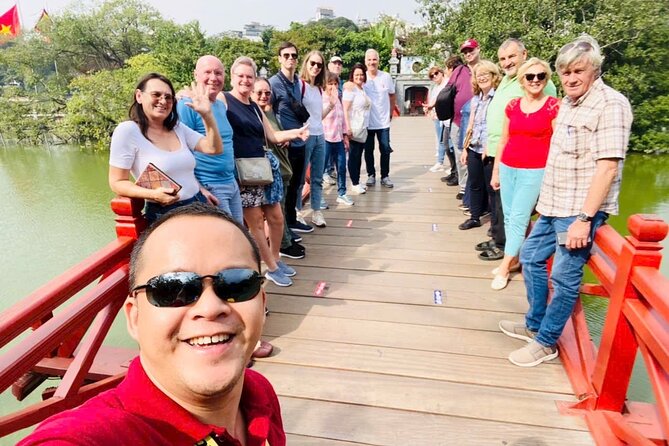
The itinerary also builds in time around Hoan Kiem Lake and nearby areas, including Ngoc Son Temple. This is one of those “easy to enjoy” zones: you can walk, take in the lake scene, and then move on without feeling like you’re trapped in a museum schedule.
Practical tip: If you like photos, you’ll do best with walking shoes. If you like quiet time, you’ll still get it because the schedule is spread with multiple segments rather than cramming one huge block.
Hoi An + My Son: ancient ruins and a town you can actually enjoy on foot
Hoi An is one of my favorite kinds of travel places because it’s both scenic and practical. You land, you check in, and then you can do a lot just by wandering.
The day trips hit two major UNESCO landmarks: My Son Sanctuary and Hoi An town (with multiple classic stops). My Son matters because it’s a different type of ancient site than Angkor later on. The setting helps you understand the idea of cultural centers tied to geography and religion.
Hoi An sightseeing is built around well-known highlights you can still appreciate even if you’ve seen pictures before: a colorful local market experience, the Old House of Tan Ky, the Fu Jian Assembly Hall, and the Japanese Covered Bridge. The trip also gives you a full free day in Hoi An, which is where you’ll likely enjoy the town the most—coffee stops, lantern streets, and slow shopping without someone timing you.
One drawback to keep in mind: Hoi An is walkable, but you’ll be in warm weather for long stretches. Plan for heat breaks and water, especially if you’re doing the market areas and older lanes.


Ho Chi Minh City and the Mekong Delta: a shift from grid cities to river life
From Hoi An, you fly to Ho Chi Minh City, and you get a free day there too. That free time is useful, because the city is busy and you’ll want to choose what matches your interests.
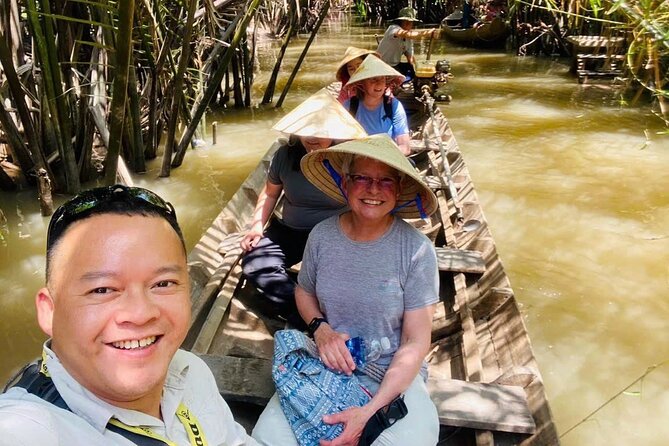
Then comes the Mekong Delta day. You transfer to Ben Tre, where you stay and visit through Mekong Home, a family-run style setting with bungalows in a tropical garden by the river. It’s not just scenery. This part of the itinerary gives you a sense of how daily life looks in this region, where water and land are both part of the routine.
You also get cycling time on a route that includes fruit and coconut tree scenery, plus a stop near a local market area. It’s practical and active without feeling like a hardcore workout plan.
What to watch: This is a long day. Even if portions are relaxed, you’ll spend time moving between places. If you get motion- or heat-sensitive, bring your own small comforts like water and sun protection.
Siem Reap and Angkor: three temple styles in two days
Angkor is one of those destinations where “doing it right” matters. The itinerary builds in the major complexes across two temple-packed days, which helps you avoid the common problem of spreading your Angkor time too thin.
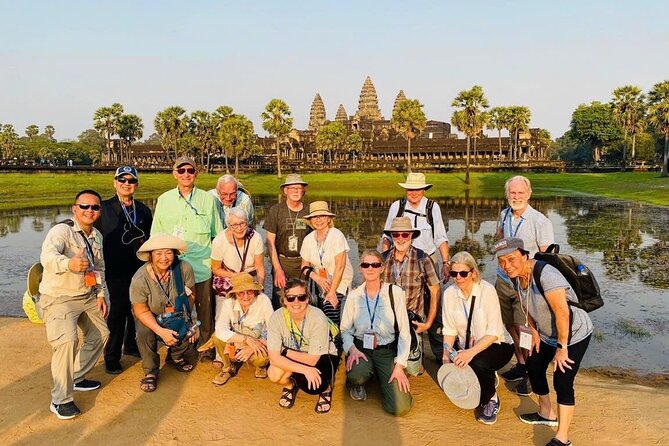
You start with Angkor Thom (the ancient capital area), and then visit Ta Prohm, the temple where trees and vegetation grow through ruins in a way that feels both eerie and beautiful. After that comes Angkor Wat, which the itinerary notes as one of the largest religious monuments in the world.
This sequence works because it gives you different temple moods. Angkor Thom emphasizes the scale and structure of the old capital. Ta Prohm adds the “ruins in nature” visual drama. Angkor Wat brings you back to the iconic temple geometry you’ll see on postcards.
Then you get a full day that’s basically yours in Siem Reap. That’s smart. Angkor can be intense. One self-paced day means you can add an extra activity like a Khmer massage, a cooking class, or a street-food approach if that’s your style.
Bangkok’s Grand Palace and Wat Pho: the classic combo that sets the tone
After Cambodia, Bangkok feels like a different planet: more traffic, more river movement, and more shopping energy. The itinerary’s Bangkok day is built around the major “start here” sights.
You visit the Grand Palace, then the Temple of the Emerald Buddha (Wat Phra Kaew). These places can feel overwhelming for first-time visitors, but having a structured route helps you see what matters without missing it.
Then comes Wat Pho, specifically the Thai Traditional Massage School and the reclining Buddha area. This stop is included as a chance to experience Thai massage traditions, which is a real cultural practice rather than just sightseeing.
After lunch, you’re back on the water with a Chao Phraya River boat trip, including passing through canals and then stopping at Wat Arun. This river segment is one reason Bangkok tours can feel better than expected: it breaks up the walking and gives you a new angle on the city.
Floating markets and Maeklong Railway Market: Thailand’s day-trip chaos, in a good way
Day trips are where Bangkok often delivers its personality. Here, you head out to traditional markets, including the Maeklong railway market, Amphawa floating market, and Damnoen Saduak floating market.
The Maeklong railway market is the big hook. You see how stalls adjust when trains pass through, and it turns a market visit into a watch-and-learn moment. Then you also stop at Holy Rosary Church for stained-glass light views and Wat Bang Kung, plus more market time at Mae Klong Railway Market (Hoop Rom Market).
This is also a reminder that Thailand travel is partly about timing and movement. You’ll likely go back and forth between water and road, so wear comfortable shoes and keep your day bag easy to grab.
Phuket and Phi Phi: end the trip with real ocean time
By the time you reach Phuket, you’ve already done the heavy lifting of temples and cultural sites. That’s why the Phuket portion matters: it gives you a proper chance to slow down.
You fly from Bangkok to Phuket and then get a day trip to Phi Phi Islands. The plan includes a stop at Bamboo Island for beach time, plus snorkeling and swimming opportunities in clear-water conditions. This is exactly the kind of “reward” day that makes a multi-country itinerary feel complete.
Then you get two more Phuket days with beach time. That structure is a hidden benefit. If you plan only one island day, it’s easy to feel rushed. Here, you can choose your energy level—short beach time or longer sun and swim days depending on how you feel.
Price and logistics: what the $2,950 actually buys you
At $2,950 per person for about 21 days, the value comes from how many major parts are already handled for you. You’re not just paying for a guide. You’re paying for:
- Hotels (3-star or 4-star based on your choice)
- Flights between countries/cities, including Hanoi–Da Nang, Da Nang–Ho Chi Minh City, Siem Reap–Bangkok, and Bangkok–Phuket, plus Ho Chi Minh City–Siem Reap
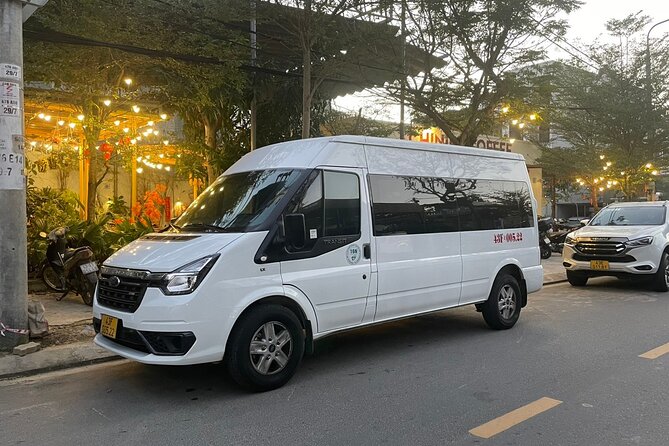
- Airport transfers and transportation in a modern vehicle
- Boat and kayak on Ha Long Bay
- Entrance tickets for the itinerary sites
- Meals including breakfasts (20), lunches (9), and dinner
Also, luggage allowances are included on the flight segments (23kg checked and 7kg handbag), which makes packing decisions less stressful. If you hate the chaos of constantly figuring out transfers after landing, this kind of bundling is where the money goes.
One note: beverages, personal expenses, tips, and gratuities are not included. That’s normal, but it matters for budgeting. Bring spending money for water, snacks, and whatever you find on your free days.
The right match for this tour (and who should think twice)
I’d point this tour toward you if:
- You want a first-time-friendly trip through three countries with the major sites included
- You like a mix of guided days and time to roam on your own
- You care about ending with beach time instead of constant sightseeing
You might think twice if:
- You prefer slow travel with minimal flights. This trip does move, and you’ll feel it on some days.
- You want fully independent planning every day. The guided structure is helpful, but it does set the rhythm.
Also, the group size is limited to a maximum of 15 travelers, which usually keeps the experience from feeling like a cattle call. That small group size is one reason the itinerary often feels manageable.
Things to watch so your trip feels easy, not exhausting
A few practical realities to plan for:
- Heat and walking add up. Hanoi lake areas, Hoi An lanes, and temple complexes all involve time on foot.
- Bring phone data if you like exploring freely. One of the most useful bits of feedback I saw was a strong suggestion to have data access during free time, because navigation and quick choices get easier.
- Pack for water days and sun. Ha Long Bay includes boat time and a kayak, and Phi Phi includes snorkeling and swimming.
- Know that free time is real. You’ll have it in multiple cities, which is great. But you’ll need your own plan if you want your day to feel personal.
If you’re choosing between 3-star and 4-star hotels, I’d base it on how much you value quiet recovery time. With this kind of itinerary, sleep is part of the experience.
Should you book this 21-Day Beauty of Vietnam, Cambodia and Thailand tour?
My take: book it if you want a structured, value-heavy way to see three countries in one trip, with the right end payoff of Phuket beach time. The itinerary is built around big UNESCO sites, plus hands-on river and water moments, and it includes domestic flights and transfers so you’re not constantly managing logistics.
Skip it if you hate flights or you want a minimalist plan with only one region. This is a “greatest hits” journey with a clear tempo, not a quiet wander.
If you do book, I’d do three things right away: choose whether you want 3- or 4-star hotels based on how you rest, plan light sun-and-water packing, and make sure you’ll have phone data during free time so you can enjoy the unscheduled moments.
FAQ
Where does the tour start and end?
It starts at Noi Bai International Airport in Hanoi, Vietnam. It ends at Phuket International Airport in Phuket, Thailand.
How long is the tour?
The tour duration is 21 days (approx.).
What is the main route?
The route goes Hanoi – Ha Long Bay – Hoi An – My Son – Ho Chi Minh City – Siem Reap – Angkor Temples – Bangkok – Phuket, with Phi Phi Island included as part of the Phuket section.
Does the price include flights and airport transfers?
Yes. The package includes all airport transfers and the domestic flight segments listed in the tour inclusions, with luggage allowances included on those flights.
Are entrance tickets included?
Yes. The tour includes all sightseeing tickets according to the itinerary.
Is there a guide, and what language?
You’ll travel with an experienced English-speaking guide. Other languages are available for an additional cost on request.
Can I choose hotel quality?
Yes. Accommodation is either 3-star or 4-star, depending on what you select as your package option.
Is the tour suitable for vegetarians or vegans?
Yes. The tour offers vegetarian and vegan food options on request.
Is pickup offered?
The tour includes pickup services, and it starts with a driver meeting you at the Hanoi airport with a signboard.
How big is the group?
The tour has a maximum group size of 15 travelers.