REVIEW · HANOI
2-Day Sapa Guided Tour Slipping in Homestay From Hanoi
Book on Viator →Operated by Vietnam Travel Top · Bookable on Viator
Sapa starts with a bus ride and a grin. This 2-day homestay tour from Hanoi is interesting because you mix mountain passes, waterfalls, and village walking, then sleep with a local family in Lao Chai. Two things I really like are the motorbike-and-foot style exploring (you feel close to the scenery), and the fact that meals, tickets, and transfers are handled end-to-end so you can focus on the place.
One thing to plan for: the trails and paths can get muddy and the homestay conditions can be basic, including spotty WiFi at times and beds that may feel firm for some people.
In This Review
- Key takeaways before you go
- From Hanoi to Sapa: what the transfers are like in real life
- Motorbikes, passes, and waterfalls: day one’s best hits
- Village walking that feels like a slow conversation
- Lao Chai homestay: comfort expectations without disappointment
- Day two: Lao Chai to Ta Van to Giang Ta Chai
- Muong Hoa Valley views and Hang Da coffee time
- Food, water, and the small stuff that changes your day
- Price and value: what $99 actually buys you
- Who should book this, and who should skip it
- Should you book the 2-day Sapa homestay motorbike tour?
- FAQ
- What pickup area in Hanoi does the tour use?
- What time does the tour start?
- How long is the tour?
- How big is the group?
- How do I get to Sapa from Hanoi?
- Do I ride a motorbike during the trip?
- Where is the homestay located?
- What meals are included?
- Can the tour accommodate vegetarian or special diets?
- What if the weather is poor?
- How late can I cancel for a full refund?
Key takeaways before you go
- Small group (max 15): easier pace and less stress than the big-bus style trips
- Motorbike rides with luggage routing: you’ll tie bags behind the bike and move fast between views
- Two famous waterfall stops: Silver Waterfall and Love Waterfall both get time on the ground
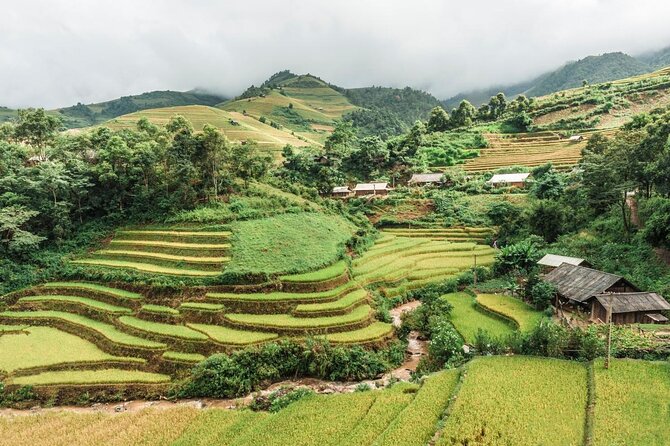
- Village variety in two cultures-days: H’Mong areas plus Giay and Dzao villages
- Guides with strong English: guides such as Vu, Cat, Mu, May, Su, Hana, and Shi show up in the experience history
- Homestay in Lao Chai: dinner and breakfast included, with a more personal feel than a hotel stay
From Hanoi to Sapa: what the transfers are like in real life
The logistics are the quiet superpower of this tour. You’re picked up in Hanoi’s Old Quarter area (the meeting point is 30 P. Lý Thái Tổ), and then you’re set up for the drive over to Sapa. The day-one start depends on the option you pick, with pickup times that can be early morning or later evening. Once you’re moving, the highway route includes rest stops, so you’re not stuck staring at a seatback the whole way.
Why this matters: Sapa is remote enough that half the fun can turn into a headache if you have to manage your own transport and connections. Here, your route is already planned. You’re also not just taking a random bus and hoping for the best—there’s mention of modern transport with experienced drivers on the Hanoi–Sapa legs, and a bus option back to Hanoi that arrives around 21:00.
If you’re thinking about “bus vs train vs limousine,” the experience is sold with multiple transfer choices. The key is this: confirm which option matches your schedule before you go, so you don’t get surprised by timing. Also, you’ll want your phone or email handy so the operator can confirm your exact pickup time.
You can also read our reviews of more guided tours in Hanoi


Motorbikes, passes, and waterfalls: day one’s best hits
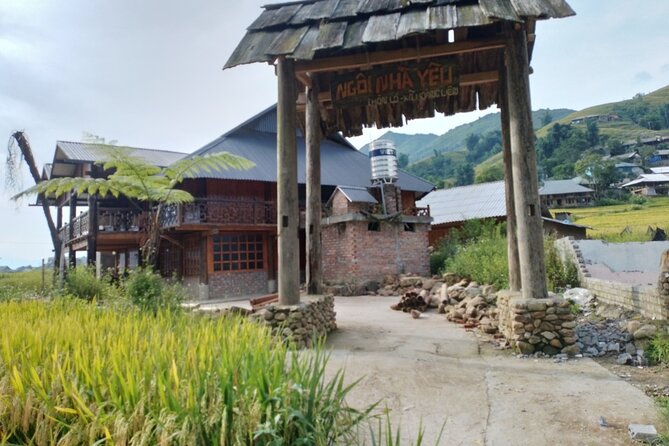
Day one has a classic Sapa arc: start in the misty town, then shift quickly into mountain scenery. After arriving around midday, you get lunch at a nearby local restaurant. Then the morning-to-afternoon transition happens fast: you prepare your luggage and clothes, and you’re soon heading toward the showpiece viewpoints.
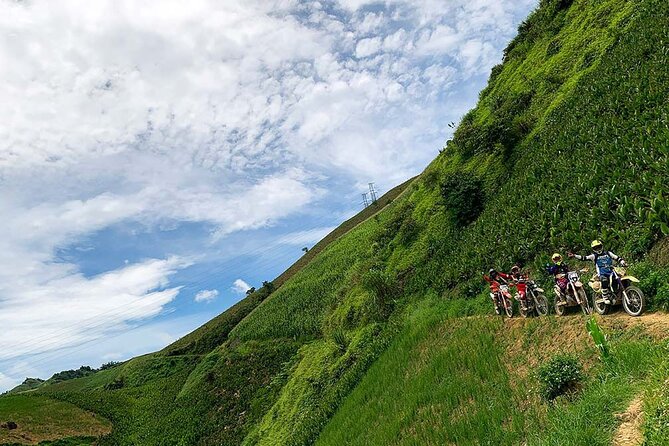
The first major stop is O Quy Ho Mountain Pass (Trạm Tôn). This is the kind of place where the road feels like the attraction. You’ll go with your guide and a motorbike driver, and your luggage is tied behind the motorbike—so you’re not doing the heavy lifting, but you are moving in close to the action. Expect the pace to feel more adventurous than a simple sightseeing loop.
From there, you visit Silver Waterfall. It’s described as a 500m-high waterfall, and you’ll have about 30 minutes there. Thirty minutes might sound short, but it’s long enough for a real look, some photos, and a walk around the area without turning it into a long slog.
Next comes Love Waterfall around O Quy Ho again. You get another stretch of time (about 45 minutes) before heading back onto the motorbike to keep the momentum. This is a good rhythm for first-timers: you get the big stops without losing the whole day to traffic and waiting.
One practical note: you’re moving by motorbike and then switching to walking. If it’s wet, you’ll feel it. Reviews mention rain and muddy conditions, so bring footwear that can handle slick patches and don’t plan to wear brand-new sneakers unless you’re okay with them getting marked by mountain life.
Village walking that feels like a slow conversation
After the waterfall-and-pass momentum, the tour shifts into village time, which is where Sapa stops feeling like scenery and starts feeling like a place with people.
You’ll visit Sin Chai and then move toward Y Linh Ho, where the focus is on H’Mong village life—traditional houses and terraced fields. The idea here isn’t just to “see villages.” You’re walking between them with a guide who can explain what you’re seeing and how daily life is organized in the mountains.
Then you continue to Lao Chai, where your homestay is located. The time on foot matters because you see the textures that don’t show up in photos: the paths, the field edges, the way terraces step down the hills, and the small scale of daily work.
A detail I appreciate: dinner happens at the homestay, not at a tourist restaurant farther away. That means you get at least one meal that’s shaped by where you slept, rather than where a kitchen is easiest to serve. That’s the “value” of homestay-style travel that people often talk about, but it’s real here because it changes the tone of the trip.
Lao Chai homestay: comfort expectations without disappointment
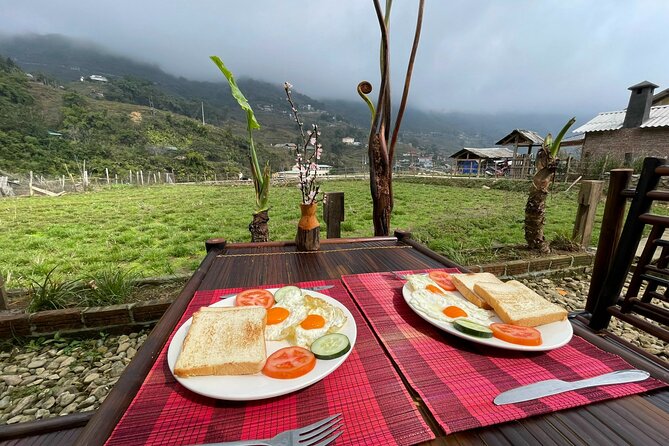
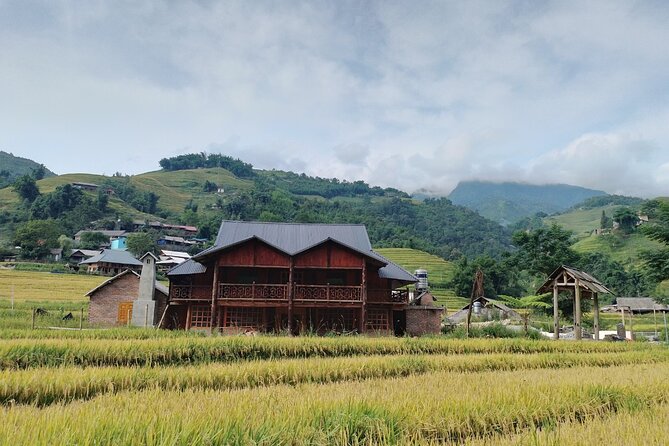
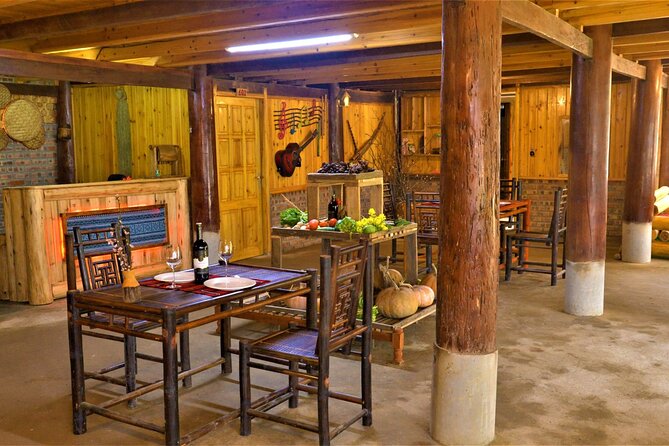
The homestay in Lao Chai village is the core experience you’re paying for. You get dinner and breakfast included, and you’re sleeping close enough to the rhythm of the village that it feels like you stayed, not just visited.
That said, set your expectations right. Reviews mention things like firm beds and basic facilities. Some people found water pressure lower at the homestay, and WiFi can be spotty. On the positive side, the homestay is described as warm and authentic, and that’s the point: this isn’t a resort experience.
If you want to make homestay night easier:
- bring a small towel and anything you’d normally need for comfort
- keep a light layer handy for cooler mountain evenings
- expect limited connectivity and plan to save phone battery
Also, you’re allowed to bring luggage and leave it on the bus, with a car transfer to the village during trek time. That’s a huge relief if you don’t want to carry everything on your back all day.
Day two: Lao Chai to Ta Van to Giang Ta Chai
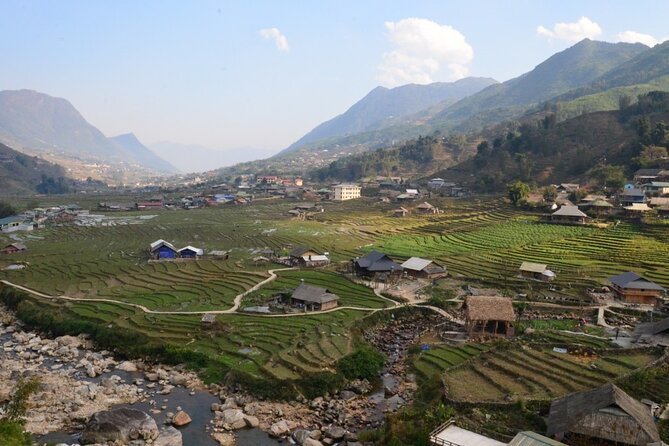
Day two starts with breakfast and checking out. Then you set off again with your guide and motorbike driver to visit more villages across ethnic groups—this is where you’ll feel the region’s cultural variety.
You begin with Lao Chai again, then head onward to Ta Van village (Giay) and Giang Ta Chai village (Dzao). Each stop is guided time (around an hour each), which is long enough to walk through areas at a comfortable pace and absorb the stories your guide tells.
Why this second day can feel even better than day one: you already know how the mountain works by then. You’ll be less distracted by logistics and more focused on patterns—how terraces shape movement, how homes relate to elevation, and how village life differs from one community to another.
The walking portion is also where you’ll want your best shoes. Reviews mention bringing good shoes because conditions can be muddy. If you’re going during rainy weather, expect the ground to be slick and slow in parts, even if the route looks manageable on a map.
A few more Hanoi tours and experiences worth a look
- Doris Cruise 5 star cruise 2 days visiting Halong Bay Lan Ha Bay private balcony
★ 5.0 · 2,338 reviews





Muong Hoa Valley views and Hang Da coffee time
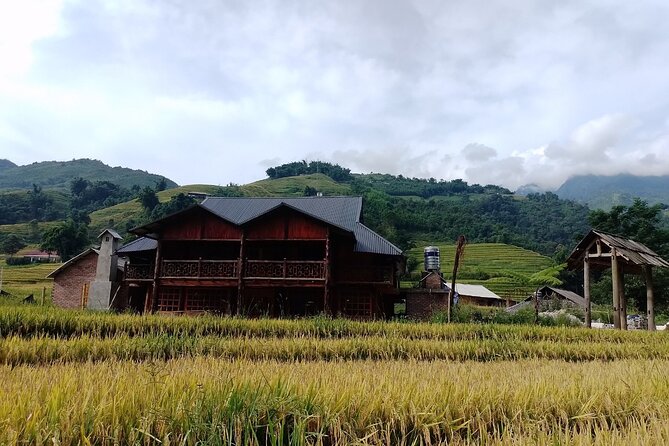
Later in day two, the tour turns toward panoramic viewpoints in the Muong Hoa Valley area. You’ll visit Sapa Ancient Stone (a site with traces of prehistoric people), then continue through Su Pan village (H’Mong) and onward to Hang Da village.
Hang Da is at about 1,200–1,500m elevation, and if the weather is clear you get a broad view of Muong Hoa Valley below. This is one of those moments where the mountain does what it does best: it makes you stop talking and just look.
You’ll also pause for a cup of coffee at Hang Da if weather allows. It’s not just a caffeine break—it’s a chance to sit still for a minute while you process what you’ve done in two days.
And yes, if it’s misty or cloudy, you might not get perfect visibility. The good news: the tour is built to keep moving so you’re not stuck waiting in one place for hours.
Food, water, and the small stuff that changes your day
Meals are included: lunch on both days plus dinner and breakfast at the homestay. This is a real part of the value equation. In a region like Sapa, the difference between a tour with meals and one where you fend for yourself can be the difference between a relaxed trip and a series of hunger-driven detours.
Water is also partially covered. You get 2 bottles of water per person for the Hanoi–Sapa and Sapa–Hanoi bus legs. Some reviews mention wishing there was more bottled water during hikes. My advice: don’t treat the included water as your full plan. Bring an extra small bottle or two if you tend to drink more when hiking, especially on a damp day.
For WiFi: there’s WiFi on board (the bus). But connectivity at the homestay may be unreliable, so don’t base your trip on live maps or constant messaging.
Price and value: what $99 actually buys you
At $99 per person for a 2-day package, you’re not just paying for a guide and a bed. You’re buying:
- round-trip Hanoi↔Sapa transfers
- admission to the listed attractions
- a homestay night in Lao Chai
- two lunches and one homestay dinner plus breakfast
- motorbike transport and driver time (including gas)
- a shared English-speaking guide
- on-board WiFi and bottled water on the bus legs
What you’re not paying for includes travel insurance, VAT, personal expenses, and beverages beyond what’s included.
Is it expensive? For Vietnam, the motorbike logistics plus homestay plus meals plus guided entry points add up quickly if you try to DIY it. Is it cheap? It can feel like a bargain compared with private tours—especially because the group size is capped at 15 travelers, which keeps costs lower while still feeling manageable.
Booking in advance is smart. The tour data shows this is often booked about a month in advance on average, which usually means availability can tighten.
Who should book this, and who should skip it
This tour is a strong match if you want:
- an active Sapa experience without having to plan routes, tickets, or transport
- a homestay night in Lao Chai village
- to see multiple village areas across H’Mong, Giay, and Dzao communities
- guide-led explanation in English and a small-group feel
It may not be the best fit if:
- you need consistent WiFi and comfortable hotel bedding
- you hate uneven ground and muddy conditions
- you want lots of free time sitting in one town (this tour is built for movement)
If you’re traveling with kids, reviews show families have done it with supportive guides who keep the group together and manage pace. Just remember: it’s still a mountain trek, and weather affects difficulty.
Should you book the 2-day Sapa homestay motorbike tour?
I’d book it if you want the Sapa “real deal” more than a checklist. The mix of O Quy Ho Pass, named waterfalls, and village walking gives you variety fast, and the homestay in Lao Chai is the part that makes the trip feel grounded.
If you’re the type who plans for mud, packs good shoes, and accepts basic homestay conditions (firm beds, occasional low water pressure, and spotty WiFi), this is a solid value. If those details would stress you out, you might prefer a more hotel-based Sapa option.
FAQ
What pickup area in Hanoi does the tour use?
The meeting point is 30 P. Lý Thái Tổ in Hoàn Kiếm (Old Quarter area). You also provide your hotel name and address in the Hoàn Kiếm district for pickup arrangements.
What time does the tour start?
Pickup time depends on the option you select. The tour notes possible start times such as 6:00am, 6:30am, 7:00am, and later options as well.
How long is the tour?
It’s a 2-day tour, with the full experience returning to Hanoi around 21:00 on the second day.
How big is the group?
The tour lists a maximum of 15 travelers.
How do I get to Sapa from Hanoi?
Round-trip transfers are available by bus, train, or private limousine car, depending on the option you choose.
Do I ride a motorbike during the trip?
Yes. Day one includes motorbike rides with your luggage tied behind the bike, along with walking between village stops and attraction areas.
Where is the homestay located?
The overnight homestay is in Lao Chai village.
What meals are included?
The tour includes lunch twice, plus dinner at the homestay and breakfast on the second day.
Can the tour accommodate vegetarian or special diets?
If you are vegetarian or have special food requirements, you should advise the operator in advance.
What if the weather is poor?
The tour requires good weather. If it’s canceled due to poor weather, you’ll be offered a different date or a full refund.
How late can I cancel for a full refund?
You can cancel up to 3 days in advance for a full refund. If you cancel less than 3 full days before the start time, the paid amount is not refunded.