REVIEW · HANOI
15 days Indochina Tour from Vietnam
Book on Viator →Operated by Vietnam Tour Fun · Bookable on Viator
Four countries in one trip can feel like math homework. This one works because it mixes big sights with small-life moments like tea making, sampan rides, and monk alms.
What I like most is the tight logistics: door-to-door private transfers, English-speaking guidance, and the key entrances handled for you. I also like that domestic flights and 20kg luggage are built in, which saves you from juggling schedules across borders.
One thing to think about: the pace is full, with multiple flights and long sightseeing days, so you’ll want a pack of patience (and comfy shoes).
In This Review
- Key highlights worth planning for
- The 15-day loop: how it flows across Vietnam, Cambodia, Thailand, and Laos
- Hanoi arrival day: Old Quarter access without the stress
- Ba Vi countryside: tea farm meetups, cooking, cycling, and feet-soak calm
- Halong Bay cruise: limestone scenery plus real activity time
- The Vietnam-to-Cambodia pivot: Ho Chi Minh City + Cu Chi Tunnels
- Mekong Delta day: sampans, island names you’ll remember, and village life
- Siem Reap and Angkor: South Gate faces, Bayon, Angkor Wat, and Ta Prohm
- Tonle Sap floating village + silk farm: life beyond the temple walls
- Bangkok: gold Buddha, reclining giant, and two free days to set your own pace
- Luang Prabang: monk alms at sunrise, markets, ethnic villages, and Khoang’s Waterfall
- Price and logistics: what $1,379 really covers and what to budget separately
- Who should book this tour
- Should you book this 15-day Indochina tour?
- FAQ
- What’s included in the tour price?
- Do I need to arrange visas and travel insurance myself?
- Are international flights included for arrival and departure?
- Will I have free time during the trip?
- How many people are in the group?
- What happens if the tour can’t run due to weather?
Key highlights worth planning for
- Small-group cap (up to 15), which usually means less waiting and easier questions
- Flights inside the circuit include 20kg luggage, so you can travel with normal bags
- Halong Bay cruise time includes a cave stop and kayak or swim options
- Angkor day covers the classic hits plus Ta Prohm’s jungle vibe
- Luang Prabang morning rituals + market day gives you a slower cultural rhythm
- Cu Chi Tunnels includes an on-site explanation video and a guided walk through key areas
The 15-day loop: how it flows across Vietnam, Cambodia, Thailand, and Laos
This itinerary is built like a highlight reel, but with enough breathing room that it doesn’t feel like nonstop chaos. You’ll start in Hanoi, slide into Halong Bay, detour through Ho Chi Minh City and the Cu Chi Tunnels, then fly to Cambodia for Siem Reap and Angkor. After that, you drop into Bangkok for temples and free-time exploring, then finish in Luang Prabang for a calmer Laos pace.
The structure matters. You get a mix of guided sightseeing days and true free afternoons (Bangkok has a couple, and Luang Prabang has at least one). That means you can recover, snack, and catch your breath when your feet need a break.
Also, the internal flights are a big deal. You’re not doing overland border marathons, so you’re spending more hours seeing things and fewer hours sitting on buses. The trade-off is fewer long, scenic stretches of countryside travel—and you’ll want to keep your day packs tidy for airport time.
You can also read our reviews of more tours and experiences in Hanoi.

Hanoi arrival day: Old Quarter access without the stress
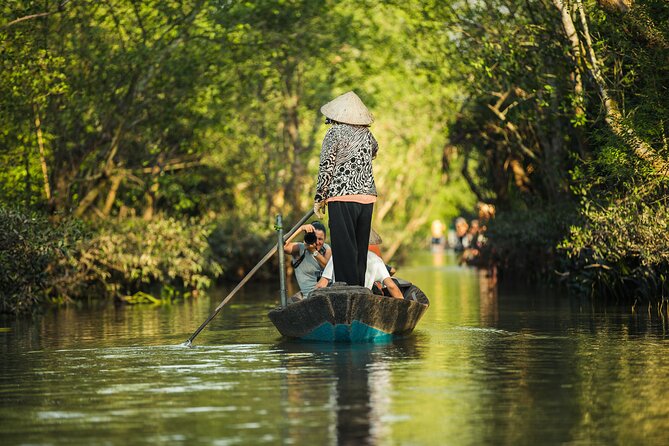
You land in Hanoi and get met at the airport by a private driver holding your name. That’s the kind of detail that helps you start the trip feeling normal, especially after a long flight. From there, you’re taken to lodging right in the city center near the Old Quarter, which is ideal for easy walking once you’re settled.
Day 1 is intentionally light. There’s no forced tour after arrival, so you can either wander the Old Quarter streets to get your bearings fast or just rest up. That matters because the next day goes rural, and you’ll want decent energy for it.
If you like to map your own route, this day gives you room to do it. If you prefer structure, you’ll still have a guide and transfers later, so you won’t feel abandoned.
Ba Vi countryside: tea farm meetups, cooking, cycling, and feet-soak calm
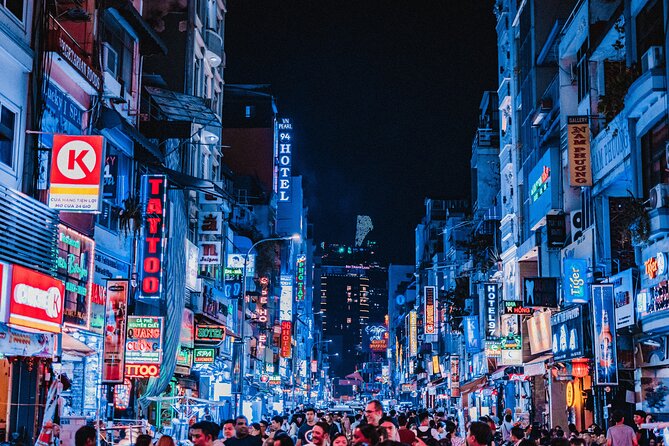
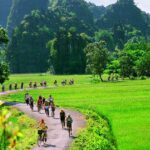
Ba Vi is a smart counterbalance to the big-city energy. It’s close enough to Hanoi for a day trip, but it feels like a different world once you’re out among villages and tea plantations.
You start with a visit to Ri village and meet Mr. Duoc, a Vietnam War veteran and tea-farm owner. The visit focuses on how tea farming works and what goes into making tea, including time at a manual workshop for tea production. It’s practical, human, and not just a photo stop.
Then you head to Moc village to cook with Mrs. Chin, enjoying lunch in a tropical garden. After that, there’s village time plus a cycling ride through paddy fields, which is a nice way to see rural life at a slow speed. The day ends with a traditional feet soak using Muong ethnic recipes, which is both relaxing and culturally specific.
This day is also a good test of your comfort level. There’s hands-on cooking, walking around village areas, and cycling time, so bring clothing you don’t mind getting dusty.
Halong Bay cruise: limestone scenery plus real activity time
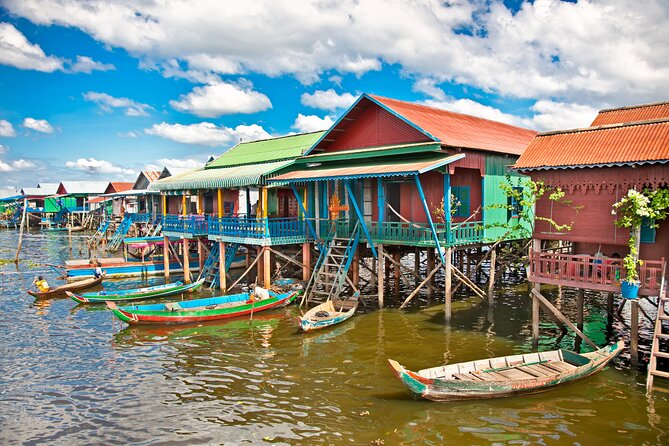
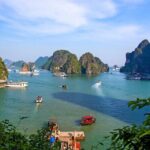
Halong Bay is one of those places you can’t fake with marketing. What you do here matters: you get a cruise on the bay and time exploring the karst landscape of limestone rocks and grottoes. The route to get there also helps, crossing the Red River Delta with rice paddies stretching out as far as you can see.
Lunch is built around seafood, and the day keeps moving with a trip to a famous limestone cave. The itinerary includes time where you can kayak or swim so you’re not just sitting on a boat looking at scenery. That’s the kind of activity that makes photos feel less staged.
The next morning adds another layer. You can choose an early start for a Tai Chi lesson, or just enjoy breakfast. The boat then returns to port with a stop at Limestone Cave again, giving you a second chance to see it before the trip winds down.
A practical note: caves and water time can be cool and damp. Even if the forecast looks fine, bring something that handles humidity. You’ll feel more comfortable when you’re not borrowing layers from your neighbor.
The Vietnam-to-Cambodia pivot: Ho Chi Minh City + Cu Chi Tunnels
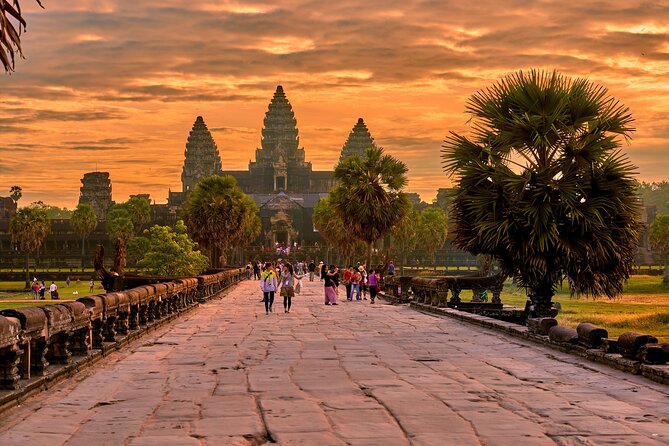
After Halong Bay, you return to the main harbor area and get back to Hanoi before flying onward to Ho Chi Minh City. You overnight in the city center, which is helpful if you want one easy evening meal and an early reset.
Day 5 takes you to the Mekong Delta next, but Day 6 is more intense: Cu Chi Tunnels. You’ll depart in the morning and spend about an hour-and-a-half driving to the site. Once you arrive, there’s an intro and video explaining how the tunnels were constructed and how people survived underground.
What makes the tunnels visit meaningful is the guided walk through specific spaces: living areas, kitchens, bedrooms, and the practical infrastructure behind them like field hospitals, weapons factories, and command centers. You also see how trap doors and defensive traps worked inside the maze-like network.
It’s heavy subject matter. The itinerary’s structure helps because you get context first, before you start exploring. Still, plan your day so you’re not rushing out to dinner immediately afterward while your brain is processing what you just saw.

Mekong Delta day: sampans, island names you’ll remember, and village life
If Cu Chi is about war history, the Mekong Delta is about everyday life—food, fruit, waterways, and small family workshops.
You head to My Tho and board a sampan for an island cruise stopping around Dragon, Unicorn, Phoenix, and Tortoise islands. You’ll have time on Unicorn Island, including fruit plantation visits and local music. That mix of scenery and culture helps the day stay light.
Next comes Thoi Son canal on a hand-rowed sampan, which is one of those simple experiences that can feel surprisingly soothing. You visit family workshops, a honey-bee farm, and sample things like honey tea and coconut candies. Then there’s a traditional Vietnamese lunch.
After lunch, you can cycle around Tan Thach village to experience local life, or relax in a hammock if you want to keep the day gentle. The variety is the point: you get activity if you want it, and you get quiet if you don’t.
This is a good day for photos, but it’s also one for buying small snacks and watching how people actually use the water. Look less for staged moments, more for how boats, markets, and workshops fit together.
Siem Reap and Angkor: South Gate faces, Bayon, Angkor Wat, and Ta Prohm
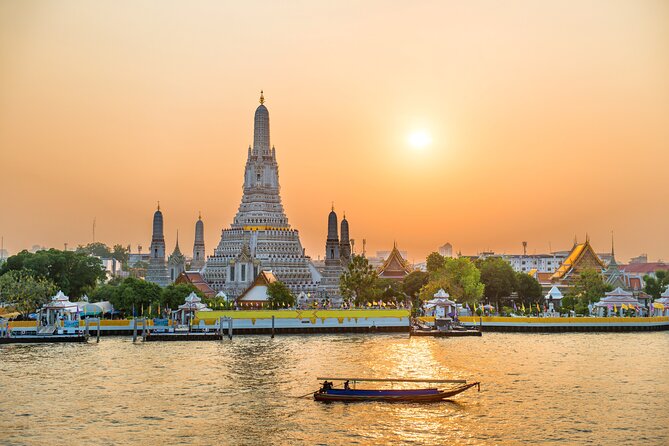
When you reach Siem Reap, Angkor becomes the main event. You get a full-day Angkor area tour covering the South Gate of Angkor Thom with its colossal carved stone faces, then onto Bayon Temple and other major spots in the Angkor Thom complex like the Royal Enclosure.
The tour also includes Phimeanakas, the Elephant Terrace, and the Terrace of the Leper King, before shifting to the largest and most complete temple: Angkor Wat. The itinerary points out Angkor Wat’s scale and the fact it was constructed in the 12th century. You walk through galleries, columns, libraries, pavilions, courtyards, and ponds—details that make the site feel more lived-in, even though it’s ruins.
Then you finish with Ta Prohm, known for jungle-grown fig trees and the way the temple feels like it’s being reclaimed by the forest. That contrast helps you remember Angkor beyond one style of architecture.
A practical consideration: this is a day that drains hydration fast. Bring water, wear sun-protective clothing, and build in short shade breaks. Your guide covers plenty, but you’ll enjoy it more if you can slow down without getting overheated.
Tonle Sap floating village + silk farm: life beyond the temple walls
Angkor is unforgettable, but Day 9 shows you why the region feels bigger than one archaeological zone.
You start with Tonle Sap Lake and explore the Floating Village by traditional wooden boat ride. You’ll see stilted houses and settlements along the lake edges—people living directly with the lake ecosystem. The itinerary emphasizes how the lake changes with wet season, when it becomes one of Asia’s largest freshwater lakes.
In the afternoon, you drive to the Pouk district to visit a silk farm. You’ll see the entire silk production process, from food for silkworms to silk extraction and refinement. There’s also a souvenir shop, which is useful because you can buy something after you understand what it takes to make.
A smart final touch is the stop at the Western Baray, an ancient reservoir that supported Angkor agriculture. It ties the day back to how these sites were sustained.
This day is a good choice for anyone who likes culture and craft, not only monuments. It’s also great if you want a less intense day after a big Angkor day.
Bangkok: gold Buddha, reclining giant, and two free days to set your own pace
Bangkok arrives as a sudden shift: from temples and lakes to traffic noise and street energy. You fly from Siem Reap and get taken to your city-center lodging, then the rest of Day 10 is free time.
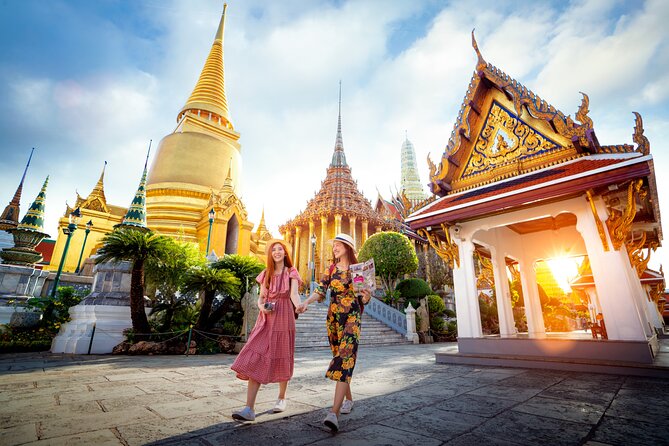
Day 11 is guided with temple highlights. You visit Wat Traimit in Chinatown to see a large solid gold Buddha statue (around 5.5 tons). Then you go to Wat Po, home to the 45-meter reclining Buddha and noted as an earlier school of traditional Thai massage. That’s a neat way to connect a religious site with local healthcare traditions.
Day 12 is your free day, and you can choose your own rhythm. The itinerary suggests Chinatown street food, shopping at Siam Paragon, Chatuchak market on weekends, kickboxing fights for sports lovers, puppet shows, Warehouse 30 for modern art, and a Thai massage to round out the day.
This design is smart because Bangkok rewards curiosity. If you want structure, you’ve got it on Day 11. If you want wandering, you’ll have room to do it on Day 12.
Just plan for heat and crowds. Bangkok can be intense midday, so build your walking into the morning and early evening.
Luang Prabang: monk alms at sunrise, markets, ethnic villages, and Khoang’s Waterfall
Luang Prabang is where the trip slows down. You fly from Bangkok and land with a transfer to your city-center accommodation. Day 13 is mostly free, so you can explore at your own pace and recover from Bangkok’s pace.
Day 14 gives you the morning rituals. You can join an early start to watch saffron-clad monks collect alms offerings (sticky rice) from locals. The itinerary notes this as a unique tradition in Laos as one of the last Buddhist nations still preserving the procession.
After that, you visit the Morning Market, where you’ll see offerings like dried buffalo skin and local tea alongside vegetables and hill-tribe weavings. Then you drive to villages of Lao ethnic minority groups including Ban Ouray, Hmong Village, Ban Ou, Laoloum Village, Ban Thapene, and the Khmu Village.
The day ends at Khoang’s Waterfall, with time to cool off in turquoise pools or walk forest trails. It’s a strong finish because you go from people’s daily routines to a nature break without the day turning into a scramble.
This is the part of the trip where I’d set your expectations differently. You’re not just ticking off sights—you’re letting the atmosphere of Luang Prabang do some of the work.
Price and logistics: what $1,379 really covers and what to budget separately
At $1,379 for about 15 days, you’re paying for a lot more than a guide. Included items cover internal flights between Hanoi, Ho Chi Minh City, Siem Reap, Bangkok, and Luang Prabang, with 20kg luggage on each. You also get an English-speaking guide, door-to-door transfers by private car, and sightseeing tickets according to the route.
Meals are also partially covered: breakfast on 14 days, lunch on four days, and at least one dinner included. Add in tissues and water on coach, plus service charges and government tax support with a 24/7 hotline, and the structure starts to look like a “handled for you” package, not a loose itinerary.
What you should budget extra for is straightforward: international flights, an e-visa, travel insurance, beverages, personal expenses, and tips/gratuities. The itinerary also flags certain dates with compulsory gala dinner surcharges (late December / Tet period) if they apply to your travel dates.
One practical takeaway: because you’re flying multiple times inside the region, you’ll feel the difference between packed luggage and light luggage quickly. If you can travel with less, you’ll move through airports with less hassle.
Also note: the tour requires good weather. If it’s canceled due to poor weather, you’re offered another date or a full refund. That matters for planning around Halong Bay and outdoor portions.
Who should book this tour
This trip fits you if you want a structured circuit across four countries without the border-juggling stress. It’s especially good if you like variety: cruise time, a history-heavy site like Cu Chi Tunnels, temple architecture at Angkor, city energy in Bangkok, and a calmer cultural finish in Luang Prabang.
It’s also a solid pick for couples and small groups because the maximum group size is capped at 15. That usually makes questions easier and timing less chaotic.
If you hate early starts, long days, or airport transfers, you might find the schedule too intense. But if you’d rather see more in less time than stretch this route into a month, this is a very reasonable way to do it.
Should you book this 15-day Indochina tour?
I’d book it if you want a well-run route where the big moving parts are handled: flights between cities, transfers, and tickets. The itinerary has a smart rhythm too—big nature and temple days balanced by at least a few free afternoons where you can just be human.
Before you commit, check your tolerance for a packed itinerary. This trip is not “sit by the pool for two weeks.” You’re out early for key experiences, and you’ll walk a lot on temple days.
If that pace sounds like your kind of travel, this is strong value for the money—especially because the internal flights and major sightseeing access are already part of the package.
FAQ
What’s included in the tour price?
The price includes door-to-door pick-up and drop-off by private car, an experienced English-speaking guide, domestic flights between Hanoi, Ho Chi Minh City, Siem Reap, Bangkok, and Luang Prabang (each with 20kg luggage), sightseeing tickets as per the itinerary, and water/tissues on coach. Meals included are breakfast (14), lunch (4), and dinner.
Do I need to arrange visas and travel insurance myself?
Yes. The tour data says an e-visa is not included, and travel insurance is also not included.
Are international flights included for arrival and departure?
No. International flights for arrival and departure are not included.
Will I have free time during the trip?
Yes. Bangkok has a free afternoon and a free day, and Luang Prabang has a free day where no activities are planned. Hanoi Day 1 and Siem Reap Day 7 also have lighter timeframes.
How many people are in the group?
The tour has a maximum of 15 travelers.
What happens if the tour can’t run due to weather?
The experience requires good weather. If it’s canceled due to poor weather, you’ll be offered a different date or a full refund.