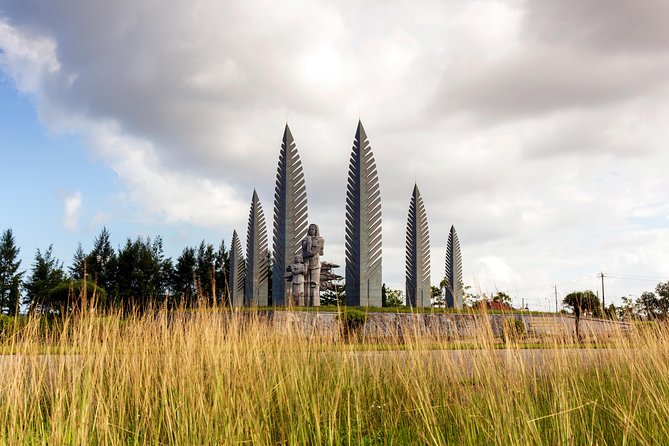
Hanoi has a few tricks up its sleeve. This 3.5-hour, small-group walk helps you make sense of the Old Quarter fast, with a live English guide who points out what’s worth your attention and what to skip. My favorite part is the finish at Hanoi Train Street Café, where you can sip coffee and watch a train rush by just inches away.
One consideration: access and timing at Train Street can be touchy on the ground, so treat it as a highlight, not a guaranteed photo moment every single day.
In This Review
- Key things to know before you go
- Meeting Point Magic: Starting Near Lý Thái Tổ
- Hoàn Kiếm Lake and Ngọc Sơn Temple: Hanoi’s Best Quick Reset
- Ma May Ancient House and Old Quarter Lanes: How the City Tells Its Story
- Ta Hien Beer Street and Donut Breaks: Local Flavor Without the Guesswork
- Dong Xuan Market Stop and Long Biên Bridge Photos: Past Meets Today
- Hanoi Train Street Café: Coffee While the Train Passes Inches Away
- Price and Value: Is $38 for 3.5 Hours Worth It?
- Who Should Book This Old Quarter + Train Street Walk
- Should You Book This Tour?
- FAQ
- How long is the Hanoi Old Quarter and Train Street tour?
- How much does it cost, and how many people are in the group?
- Is pickup included?
- What’s included during the tour?
- Do I need to speak Vietnamese to enjoy this tour?
- What should I bring and wear?
- Is it suitable for wheelchair users or pregnant women?
Key things to know before you go

- Small group (up to 10 people): easier pace and more chances to ask questions.
- Old Quarter pickup included: you’re met in the Old Quarter/French Quarter zone, or you can start at the Ly Thai To statue area.
- Hoan Kiem + Ngoc Son Temple stop: a calm, classic Hanoi pause before the street life starts up again.
- Old Quarter walking with story-stops: ancient houses, a temple visit, and street-level local culture.
- Ta Hien beer street + traditional donuts: you get snacks and a feel for everyday Hanoi rhythms.
- Train Street coffee tasting: the signature experience—coffee while the train passes extremely close.
Meeting Point Magic: Starting Near Lý Thái Tổ

Your morning (or afternoon) starts with a simple setup: pickup is included for hotels in the Old Quarter area, and the day is run with a small group size capped at 10. If you’re not doing pickup, you’ll meet at the Ly Thai To statue area, the big landmark tied to Thang Long, the ancient name for Hanoi.
I like this start because it prevents the usual Hanoi confusion. You’re not wandering first, then hunting for the right street second. Instead, your guide gets you moving and explains what you’ll see before you’re knee-deep in alleyways and scooters.
You’ll want to be ready at the lobby (the guide will check your name), and it helps to send a WhatsApp contact so the team can coordinate quickly if plans shift.
You can also read our reviews of more tours and experiences in Hanoi.



Hoàn Kiếm Lake and Ngọc Sơn Temple: Hanoi’s Best Quick Reset
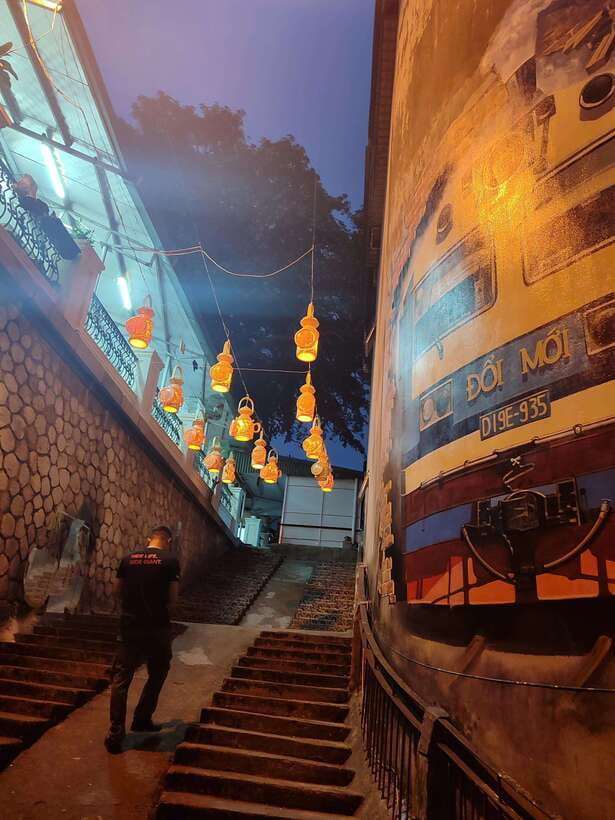
Hoàn Kiếm Lake is one of those places where you instantly feel the city’s center of gravity. It’s not just scenic—it’s also a social anchor, and that matters because the Old Quarter streets feel much more meaningful once you’ve seen the skyline frame of the lake.
From there, you head to Ngọc Sơn Temple, a short visit that gives you a chance to slow down and look at Hanoi’s spiritual side. The guide’s job here is more than pointing and walking—you should expect context about the place and what the symbols mean, so it doesn’t feel like a checklist stop.
What to watch for: this area can feel busy, but it’s a controlled kind of busy. If you time your photos well and keep your walking pace steady, you’ll enjoy the contrast—lake calm, then street energy.
Ma May Ancient House and Old Quarter Lanes: How the City Tells Its Story
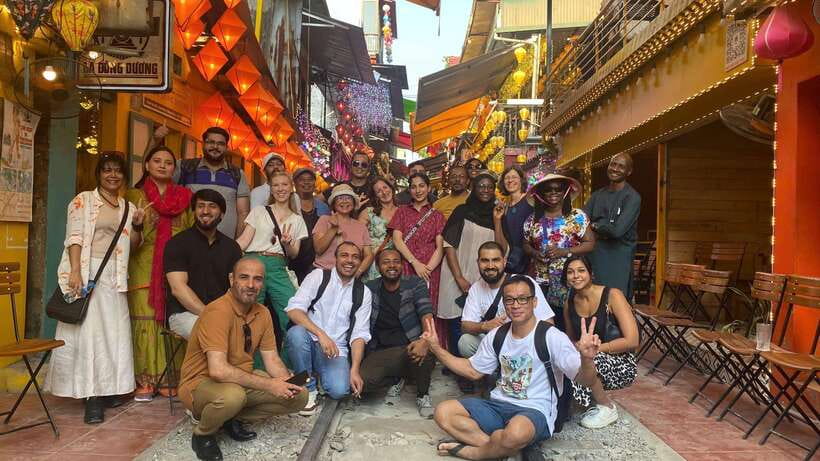
The best part of any Old Quarter day is learning how to read it on foot. This tour uses that logic well. After the lake-and-temple reset, you move into the narrower streets where Hanoi’s past still shows up in architecture, street names, and everyday life.
One stop is the Ma May Ancient House. Even if you don’t know much Vietnamese history before you arrive, you’ll get enough framing to connect the building style and street setting to the larger story of the city. It’s the kind of place where a guide turns random stone and woodwork into something you can actually understand.
Then comes the walk through the Old Quarter streets and their smaller side connections—exactly the kind of area you’d otherwise miss if you just followed the main roads. Your guide also helps with practical things, like how to pronounce street names and what those names can hint at. That small detail matters more than it sounds. It makes your future wandering easier because you recognize what you’re looking at.
Small-group bonus: when there are fewer people, you’re more likely to stop long enough to absorb what’s going on instead of rushing through the photos.
Ta Hien Beer Street and Donut Breaks: Local Flavor Without the Guesswork
After the temple and ancient-house part of the day, you hit Ta Hien beer street area. This is where Hanoi shows you its louder, more casual side—street life, small snack moments, and that slightly chaotic energy that still feels organized when you’re with a guide.
You’ll have a stop that includes walking through the beer-street zone, plus traditional donuts during the tour. Even if you’re not a huge snack person, this kind of break is useful. It keeps your energy up when the heat or rain decides to change the rules.
The guides mentioned by name in this tour’s feedback—people like Nam, Lisa, Vân, Julia, and Hanna—are consistently praised for storytelling and for sharing food suggestions. One specific example: Lisa is noted for recommending a beef salad at the Train Street café, which is the exact kind of low-effort, high-reward tip you want on a short tour.
Dong Xuan Market Stop and Long Biên Bridge Photos: Past Meets Today
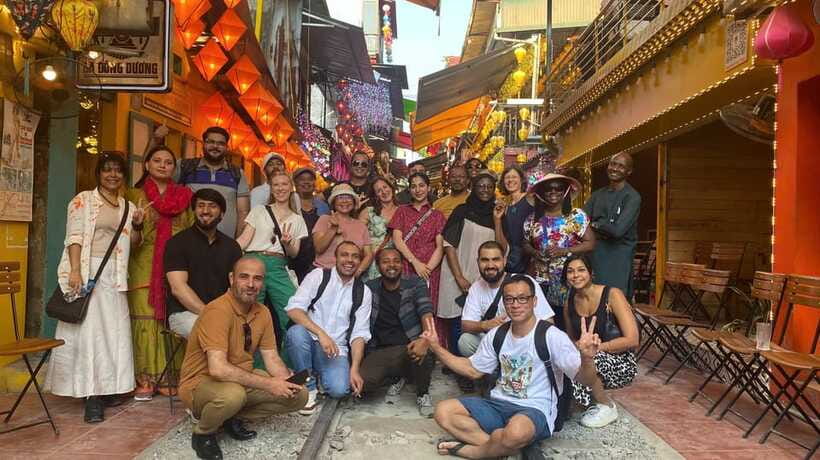
A good Old Quarter walk shouldn’t only stay in the past. You need one foot in today, too. This route includes a shopping/photo stop at a market area (Dong Xuan Market is part of the plan) plus a break for Long Biên Bridge views and photos.
The market stop is built for quick contact, not a long shopping mission. You get time to look, snap photos, and pick up small items if you want. That fits the tour’s length, and it also keeps you from getting trapped in the stress of negotiating and translating for too long.
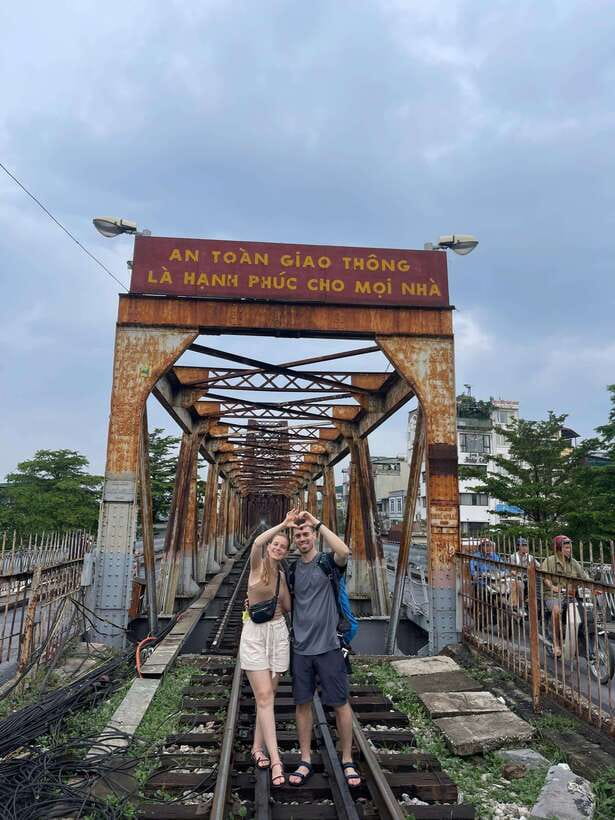
Then you move to Long Biên Bridge, which gives you a different angle on Hanoi. It’s a major landmark with a feel that’s hard to fake with a postcard. Even a short visit gives you a sense of scale and the way the city connects across the water.
Practical note: there’s some walking and outdoor time here. If you’re sensitive to sun, bring your hat and sunscreen, and plan to drink your included water and then refill if you can.



Hanoi Train Street Café: Coffee While the Train Passes Inches Away
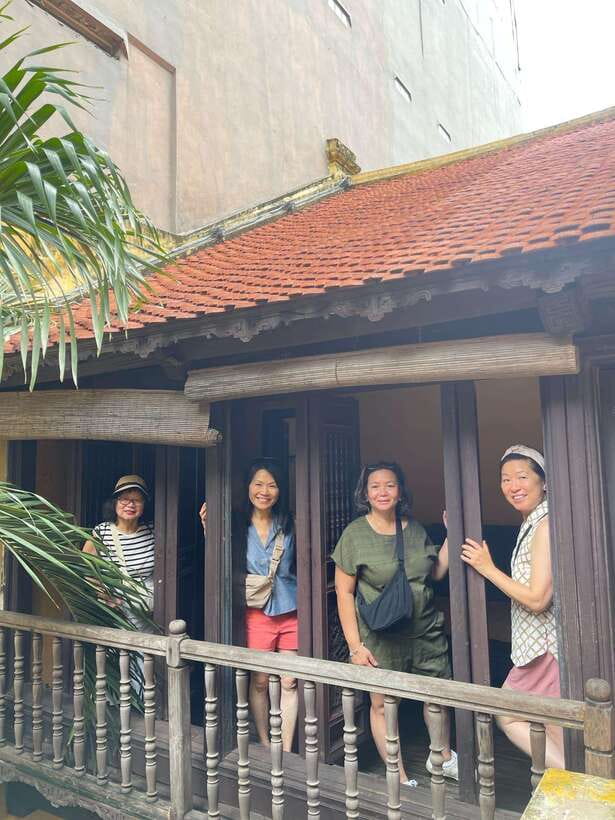
This is the signature moment of the whole experience. The tour includes tea or coffee at a café on Hanoi Train Street, positioned so you can watch a train speed past extremely close.
This part isn’t just a thrill ride; it’s also a lesson in how Hanoi life fits around infrastructure. The café stop gives you a way to experience it without standing around in the open with no plan. You sit, sip, and watch the city flow through the tracks.
I’d treat this moment like a mini performance: stay flexible with timing, don’t plan to walk away for souvenirs at the last second, and expect a tight focus on the train pass. Some guides are also known for helping people get front-row closeness when possible, which can make a big difference for photos and just plain enjoyment.
If you want a food add-on, there’s at least one specific recommendation mentioned by name: Lisa’s suggestion of a beef salad at the café. It’s not required, but if you see it and you’re hungry, it’s an easy way to turn a coffee stop into a proper snack meal.
Price and Value: Is $38 for 3.5 Hours Worth It?
At $38 per person for about 3.5 hours, you’re paying for more than sightseeing. You’re paying for:
- a live English-speaking guide who keeps the route logical
- pickup in the Old Quarter area (or a defined meeting point)
- the included water and traditional donuts
- tea or coffee at Train Street
- a small group size (max 10), which usually means fewer delays and a better pace
If you tried to DIY this route, you’d spend time figuring out the best order, juggling crossing points, and translating enough to get real context for temples and old houses. That’s where this price starts to make sense. You’re not buying “entry tickets.” You’re buying time, orientation, and guided context—then you end with a very specific Train Street coffee experience that’s hard to plan on your own if you want it to feel smooth.
Where value can vary: your enjoyment depends on how much you like walking and how comfortable you are with quick stops. If you want long museum-style breaks, this tour may feel short.
Who Should Book This Old Quarter + Train Street Walk
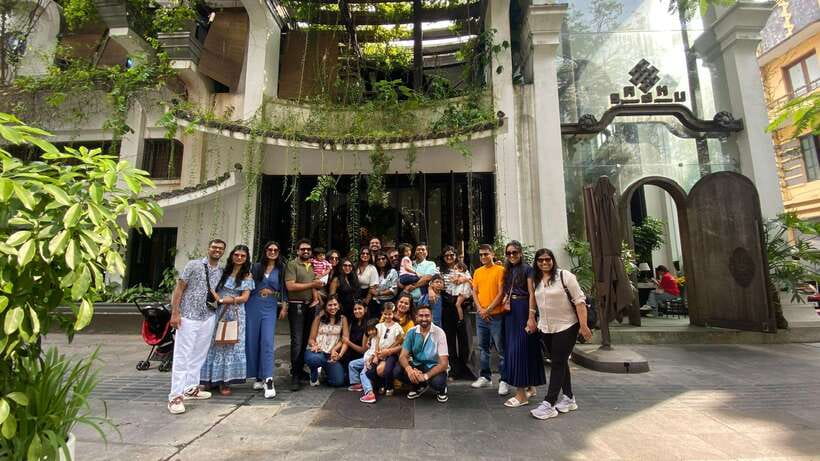
This is a strong match if you:
- want a first introduction to Hanoi that makes later exploring easier
- like walking routes with lots of small story points
- care about seeing the Old Quarter beyond the main roads
- want the Train Street moment without having to figure it out alone
It’s also a good fit for couples and solo travelers who appreciate small groups and want to ask questions.
It’s not the best choice if you:
- need wheelchair access (it’s listed as not suitable for wheelchair users)
- are pregnant (also listed as not suitable for pregnant women)
- prefer long seated sightseeing with minimal walking
Also plan your gear. The tour asks for comfortable shoes, plus a hat, sunscreen, and camera. Weather can change quickly, so bring layers if your forecast looks uncertain.
Should You Book This Tour?
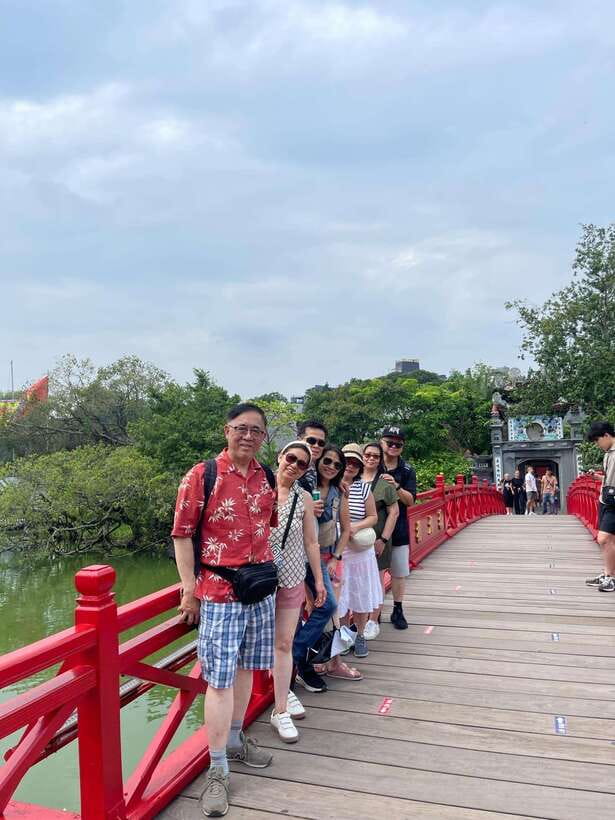
Yes, I’d book it if your goal is a smooth, story-led first pass through Hoàn Kiếm + Old Quarter with a clear payoff at Hanoi Train Street. The biggest strengths are the guided context (especially at temples and historic streets) and the fact that Train Street is built into the schedule with a coffee break, not treated like a last-minute scramble.
If you’re the type who needs a guaranteed Train Street viewing moment, keep your expectations flexible. That’s the only real variable in the plan—everything else is designed to run on a short, efficient walking route.
FAQ
How long is the Hanoi Old Quarter and Train Street tour?
The tour lasts about 3.5 hours.
How much does it cost, and how many people are in the group?
It costs $38 per person, and the group is limited to 10 participants.
Is pickup included?
Yes. Pickup is included for stays in the Hanoi Old Quarter area. There are also two pickup options: MasterTan ĐTH near the Lý Thái Tổ statue area.
What’s included during the tour?
You get a local English tour guide, a bottle of water per person, traditional donuts, and tea or coffee at the Train Street café.
Do I need to speak Vietnamese to enjoy this tour?
No. The guide provides an English live tour, so you can follow along without Vietnamese.
What should I bring and wear?
Wear comfortable shoes. Bring a hat, camera, sunscreen, and water. The tour also notes that weather can vary.
Is it suitable for wheelchair users or pregnant women?
No. The tour is listed as not suitable for wheelchair users and for pregnant women.