A maze of streets can overwhelm fast. This private Old Quarter walk gives you a clear route with smart context, starting at Bach Ma Temple and ending by Hoàn Kiếm Lake, with stops at Long Biên Bridge and Đồng Xuân Market. You also get real-time help from a local guide in a place where signs and stories don’t always match what you expect.
I like the small-group feel (max 8 travelers) and the built-in breaks: snacks, bottled water, and coffee or tea keep things comfortable in Hanoi’s heat. One thing to consider: if you pick a late tour, some sites or market areas may be closed, so I’d choose the morning or afternoon option for the best chance of seeing everything.
In This Review
- Key things to know before you walk Hanoi’s Old Quarter
- Why a private Old Quarter walk beats trying to DIY it
- Price and value: what $35 covers (and why it adds up)
- Where the tour starts, where it ends, and how the timing works
- Stop 1: Bach Ma Temple, the White Horse legend and a 9th-century foundation
- Stop 2: Long Biên Bridge, Hanoi’s symbol made of history and traffic reality
- Stop 3: Đồng Xuân Market, French-era trading roots and what you can expect now
- Stop 4: Old Quarter walking time, where the maze becomes understandable
- What your guide actually brings to the walk (Minji, Dung, Yen, Quang, and more)
- Morning vs afternoon: choosing the best time for photos, markets, and less waiting
- Small details that make the walk smoother
- Who this tour suits best
- Should you book the Hidden Hanoi Old Quarter experience?
- FAQ
- How long is the Hidden Hanoi Old Quarter experience?
- How much does it cost?
- What’s included in the tour price?
- What stops are included?
- Are admission tickets included?
- Where do I meet and where does it end?
- Is there a mobile ticket?
- What if weather is poor or I need to cancel?
Key things to know before you walk Hanoi’s Old Quarter

- Private guide, customized pace: You can ask questions and adjust the rhythm instead of rushing as a big group.
- Included refreshments: Snacks plus bottled water, with coffee or tea, mean you won’t be hunting mid-walk.
- A historic route, not random streets: The stops are designed around major landmarks and the old trading flow.
- Admissions included at each main stop: Bach Ma Temple, Long Biên Bridge, Đòng Xuân Market, and the Old Quarter portion are covered.
- Small group size (up to 8): Less chaos, easier conversations, and easier navigation through narrow alleys.
Why a private Old Quarter walk beats trying to DIY it
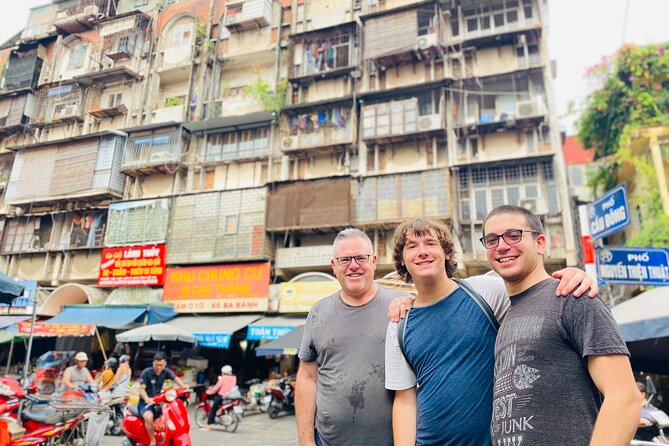
The Old Quarter is famous for narrow lanes, crisscrossing streets, and lots of small surprises. The trouble is that it can also feel like sensory overload—especially on day one. This experience solves that with a private guide and a structured route, so you’re not just walking; you’re figuring out where you are and why it mattered.
I also like that you’re not only seeing famous structures. You’re walking through the same kinds of streets that connect religious sites, colonial-era landmarks, and daily market life. That mix helps the area stop being a postcard and start feeling like a place with routines.
And because it’s a walking tour that’s about 2 hours 30 minutes, you get momentum without burning your whole day. It’s long enough to learn, short enough that you still have energy afterward to explore on your own.
You can also read our reviews of more tours and experiences in Hanoi.



Price and value: what $35 covers (and why it adds up)
At $35 per person, this tour is priced like a practical orientation for your first trip to Hanoi’s core. The real value is the combination of:
- a private guide experience,
- a timed walking route with major stops,
- and snacks, bottled water, and coffee or tea included.
On top of that, admissions are listed as included for the main stops. That matters because temple and landmark tickets can quietly add up when you’re planning a self-guided day.
One more detail that boosts value: the group cap is up to 8 travelers, so you’re not stuck in a giant pack. You’ll spend less time waiting and more time asking questions.
If you’re booking in advance, that’s smart here. The average booking time is about 30 days, which usually means the best time slots can go earlier than you’d expect.
Where the tour starts, where it ends, and how the timing works

You meet at 72 P. Hàng Bạc, Phố cổ Hà Nội, Hoàn Kiếm, Hà Nội, Vietnam. The walk ends near Hoàn Kiếm Lake, Hang Trong, Hoàn Kiếm, Hanoi, Vietnam.
That end point is useful. If you like to keep exploring after the tour, finishing by the lake puts you close to one of the easiest places to orient yourself. It’s also a natural spot to grab food or continue wandering through nearby streets with less stress.
The tour itself runs about 2 hours 30 minutes and operates with a morning or afternoon schedule. If you want maximum visibility into the market and street life, I’d lean toward the morning or afternoon over any late option, since closures can happen later in the day.
Finally, it uses a mobile ticket, which makes it easier on travel days when you don’t want to manage paper.
Stop 1: Bach Ma Temple, the White Horse legend and a 9th-century foundation
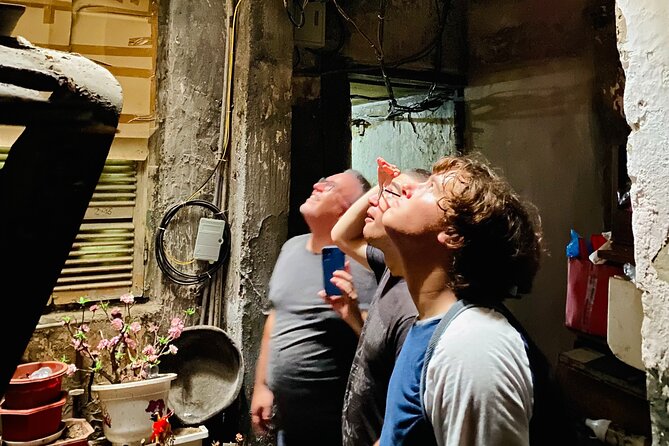
Your first stop is Bach Ma Temple, located in the middle of the Old Quarter. The big story hook here is the age: it traces back to the 9th century, and the name Bạch Mã translates to White Horse.
This matters because it sets an anchor point for the whole walk. Instead of starting with a modern landmark, you begin with a temple that connects the Old Quarter to Hanoi’s deeper timeline. Even if you’ve visited temples elsewhere, starting here changes how you read the neighborhood. Streets start to feel less like random alleys and more like routes that have served community life for centuries.
The visit is about 20 minutes, and admission is included. That’s enough time to take in the space, notice what’s worshiped, and ask questions without turning it into a long detour.
Practical note: temples are quieter than markets. So treat this as your reset point before the more crowded areas.
Stop 2: Long Biên Bridge, Hanoi’s symbol made of history and traffic reality
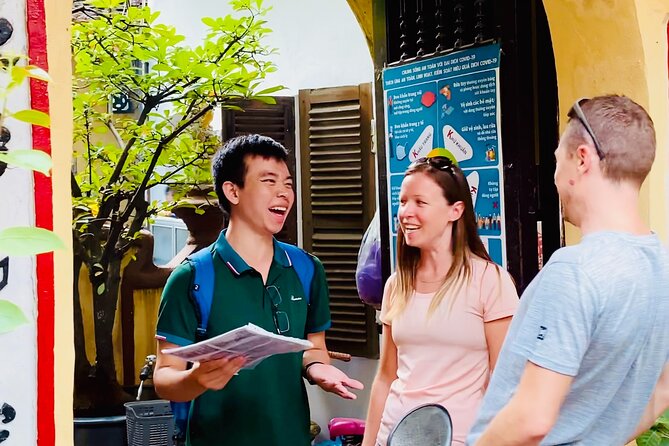
Next you head to Long Biên Bridge, described as a key symbol of Hanoi with a historical feel that’s still part of daily movement. The point of this stop isn’t only the structure. It’s how the bridge ties together eras—because a bridge is both infrastructure and memory.
You’ll spend around 15 minutes here, with an admission ticket included. That shorter timing works well because your brain can switch from “interpretation mode” (temple context) to “spot the historical layers” mode (bridge context). Even in a short visit, you can understand why the bridge became a landmark rather than just a way across.
I like that the tour doesn’t treat this as sightseeing-from-a-distance. The guide’s explanations help you connect the bridge to the surrounding trading world and how people moved through the city.



Stop 3: Đồng Xuân Market, French-era trading roots and what you can expect now

Then comes Đồng Xuân Market, one of the Old Quarter’s best places to understand commerce in Vietnam. The historical context is specific: it was founded in 1889 by the French and named after its location. The market grew as a favorable trading place—especially after the French built Long Biên Bridge.
You’ll spend about 15 minutes here, and admission is included. It’s not an open-ended wandering session. That’s a plus if you’re not trying to spend your entire day bargaining or getting lost in aisles. You get the key viewpoint and the “why it exists” context, then you move on.
A practical heads-up: some market activity may vary by time of day and local closures. That’s one reason I keep recommending the morning or afternoon option. If you’re doing this on a day with strict timing, aim earlier so the guide can show you more of the market flow.
Also, the tour includes snacks. Depending on your guide and what’s available during your time slot, you might get chances to try small bites and learn what locals eat on the go.
Stop 4: Old Quarter walking time, where the maze becomes understandable
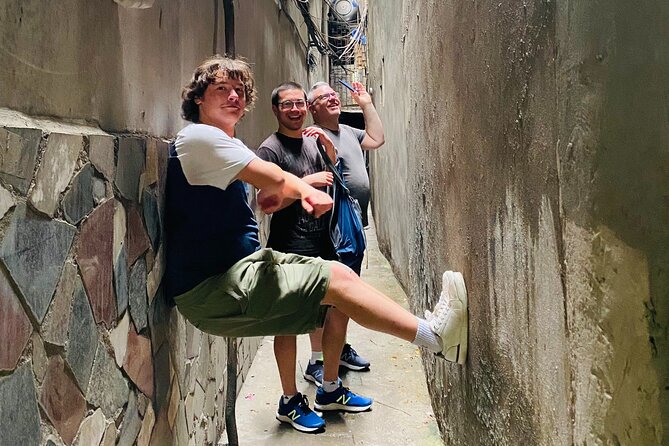
The last big block is Old Quarter time—around 1 hour. This is where the tour becomes genuinely useful. Without a guide, the Old Quarter can feel like a maze of narrow streets and alleys. With one, it turns into a story map.
This is the part that helps you connect the dots between the earlier stops:
- a centuries-old temple center,
- a bridge that shaped movement and trade,
- and a market that developed around those routes.
Your guide uses local insight to explain how people live and how the Old Quarter developed. In real terms, this helps you ask better questions later when you’re on your own. You stop wondering which side street matters and start understanding what the area is doing day-to-day.
I also appreciate the pacing. Several guides are praised for keeping a calm rhythm and including time for drinks. That’s not just comfort—it’s a smart way to keep your attention sharp in warm weather.
What your guide actually brings to the walk (Minji, Dung, Yen, Quang, and more)

This tour lives or dies by the guide, and the names in the feedback show a mix of personalities. I’ve seen this firsthand in other cities: the route is fixed, but the experience changes based on how a guide turns facts into perspective.
Here’s what shows up repeatedly in real-world experiences with this tour style:
- Clear English and an easy, friendly way of explaining.
- Personal stories that explain how Hanoi’s past and present overlap.
- Humor and local detail that makes the walk feel human, not scripted.
In particular, I’ve seen praise for guides like Minji, Dung, Yen, Mina, Cong, and Quang, each called out for different strengths. Dung specifically stood out for strong English and openness, and Yen for deep, generous sharing. Quang was praised for showing the parts that are harder to notice on your own, plus a lighter tone that keeps it fun.
So when you book, think of this as buying time with a person who knows how to read the neighborhood. The landmarks are only the skeleton. The guide makes it a body.
Morning vs afternoon: choosing the best time for photos, markets, and less waiting
You can choose morning or afternoon, and that choice can change what you notice. A morning schedule often feels better for orientation because shops are more active and you’re less likely to hit late-day closures.
Afternoon can be great too—especially if you want a slower pace and don’t want your day to start too early. Just keep in mind that some areas may be shut down later, and one feedback point flagged closures during a late slot as a disappointment.
If you want the best mix of temple context plus market atmosphere, I’d treat the morning or afternoon option as the default plan.
Small details that make the walk smoother
A few things are baked in that make this experience easier than a DIY walk:
- Bottled water and snacks keep you from getting stuck in the middle of a crowded street with low energy.
- Coffee or tea gives you a natural break and a reset point for questions.
- Mobile ticket keeps check-in simple.
- The tour includes admission tickets, which reduces stress when you’re moving quickly.
And because it’s designed as a walking tour through dense areas, you’ll get the most out of it by wearing comfortable shoes and staying hydrated.
Who this tour suits best
This fits well if you:
- are visiting Hanoi for the first time and want fast orientation in the Old Quarter,
- prefer a guide who can explain history in plain language,
- like walking but don’t want to map everything yourself,
- want a manageable 2.5-hour outing rather than a half-day or full-day mission.
It’s also a good fit for people who want structure without losing freedom. The group size is capped at 8, and the experience is set up for a personalized feel.
If you’re already very confident navigating Hanoi and you hate guided time, you might find this closer to a recap than a need. But for most first-timers, it’s a smart entry point.
Should you book the Hidden Hanoi Old Quarter experience?
If you’re aiming for a first-day win, I’d book this. The price is reasonable for what you get: a guided walking route, major landmarks in one flow, plus refreshments and admissions included. You also get the small-group advantage, which makes questions and pacing feel natural.
Book it especially if you value a local perspective in places like Bach Ma Temple, Long Biên Bridge, and Đồng Xuân Market, where history isn’t just in books—it’s in the way the area still operates. And if you can, choose the morning or afternoon slot to maximize your chance of seeing the market areas in action.
Only skip it if you already know the Old Quarter very well and you’d rather spend your time on your own errands, not learning a route with timed stops.
FAQ
How long is the Hidden Hanoi Old Quarter experience?
The tour lasts about 2 hours 30 minutes.
How much does it cost?
It costs $35.00 per person.
What’s included in the tour price?
The tour includes bottled water, snacks, and coffee and/or tea.
What stops are included?
You’ll visit Bach Ma Temple, Long Biên Bridge, Đồng Xuân Market, and spend time exploring the Old Quarter.
Are admission tickets included?
Yes. Admission tickets are included for the main stops listed in the route.
Where do I meet and where does it end?
Meet at 72 P. Hàng Bạc in Hanoi’s Old Quarter area, and the tour ends near Hoàn Kiếm Lake on Hang Trong.
Is there a mobile ticket?
Yes, the tour uses a mobile ticket.
What if weather is poor or I need to cancel?
There’s free cancellation up to 24 hours before the experience for a full refund. The experience requires good weather; if it’s canceled due to poor weather, you’ll be offered a different date or a full refund.