REVIEW · NHA TRANG
PADI Open Water Diver Course | For beginners
Book on Viator →Operated by Vietnam Active - PADI Dive Center & Snorkeling · Bookable on Viator
Learning scuba basics can feel like a lot. This 3-day PADI Open Water Diver course in Nha Trang keeps it structured, with small groups and plenty of hands-on support.
What I like most is the tight instructor-to-student setup and the way you’re coached step by step, not thrown in. I also like that the program mixes theory with practical gear work, so you understand what you’re doing before you try it underwater.
One thing to consider: it’s weather-dependent. If conditions are poor, the schedule may shift or the course may be offered on a different date.
In This Review
- Key highlights worth knowing
- Entering the PADI Open Water Diver rhythm in Nha Trang
- Theory day: five chapters, videos, and a real exam
- Confined-water practice: where gear anxiety goes to die
- Open-water training at Hon Mun Island: four sessions up to 18 meters
- Why instructors like Chris, Khoa, Thinh, Jens, and Huy matter
- Timing, pickup, and mobile ticket: the logistics that reduce stress
- Equipment and comfort: the course’s hidden superpower
- What the $550 price really buys you
- Weather and pacing: what can change and why
- Who this course is perfect for (and who should think twice)
- Should you book PADI Open Water Diver in Nha Trang?
- FAQ
- How long is the PADI Open Water Diver course?
- Where does the open-water training take place?
- What depth range will I practice?
- How many open-water sessions are included?
- Do I need to do theory in class?
- Is there an exam during the course?
- How small are the groups?
- Is pickup included?
- What if the weather is bad?
- Can I get a refund if I cancel?
Key highlights worth knowing
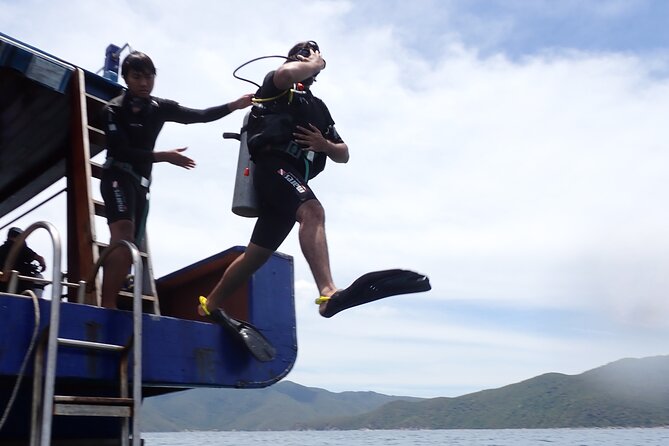
- Small groups: maximum 4 students per instructor (and up to 5 total travelers)
- Theory that you actually test: 5 chapters plus a multiple-choice exam, then a written exam at the end
- Practical progress: confined-water practice first, then 4 open-water sessions with a certified instructor
- Realistic depth range: first two sessions around 12 meters, last two up to 18 meters
- Hon Mun Island: your main open-water location for the training
Entering the PADI Open Water Diver rhythm in Nha Trang
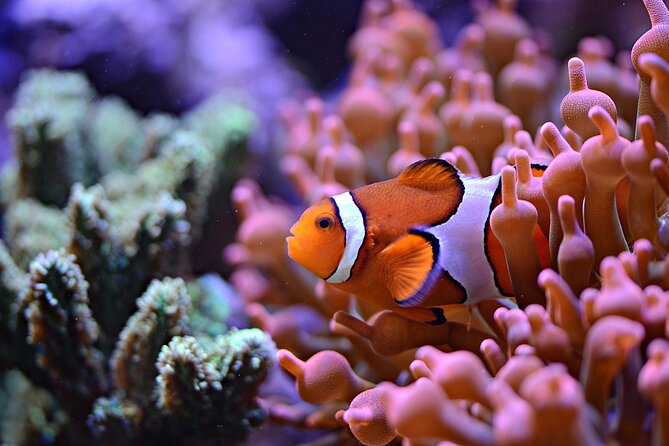
If you want a scuba credential that’s recognizable worldwide, the PADI Open Water Diver is the standard starting point. In Nha Trang, Vietnam Active runs this course over about 3 days, with a clear sequence that reduces the usual “I don’t know what’s happening” feeling.
A big practical win is the group size. You’ll be in a small class, with a maximum of 4 students per instructor, which means you get real feedback instead of general advice. That matters most when you’re still learning how to manage your breathing, buoyancy, and equipment.
The course also starts at 9:00 am, which helps you settle into a full day of training rather than piecemeal lessons. And yes, pickup is offered, so you’re not piecing together transport while you’re already nervous.
You can also read our reviews of more tours and experiences in Nha Trang.

Theory day: five chapters, videos, and a real exam
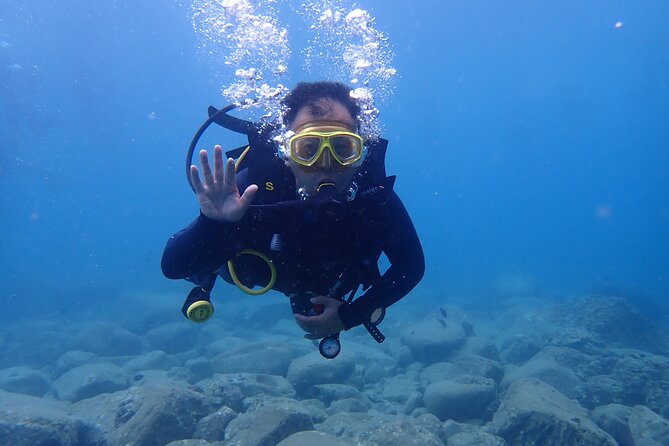
You’ll cover dive theory either through classroom learning or e-learning. In the classroom version, it’s built around 5 chapters plus video instruction, then you take a multiple-choice exam to check your understanding.
This isn’t just paperwork. Your notes and the quiz help you connect what you hear in briefing to what you’ll need later underwater. When people struggle during the first open-water sessions, it’s often because the concepts never really stuck—so having a built-in exam is a smart way to force clarity early.
At the end of the course, there’s also a written exam. That final check is part of why the certification feels “solid” when you finish, instead of feeling like you guessed your way through.
Confined-water practice: where gear anxiety goes to die
Before you head into deeper ocean water, you’ll do confined-water work in shallow water or a pool. This is where you learn to use your equipment properly and practice basic control skills at low stress levels.
What makes this phase valuable is the order. You’re not learning gear in mid-chaos—you’re learning it while conditions are controlled. Your instructor can correct hand positions, check how you’re breathing, and show you how to stay comfortable even when something feels new.
The best coaching here shows up in the details. One participant noted how instructors explained exercises clearly and took time with technique, so the underwater skills had a foundation. If you’re someone who learns best when you can repeat a movement and get corrected, this part will feel like the calm before the fun.
Open-water training at Hon Mun Island: four sessions up to 18 meters
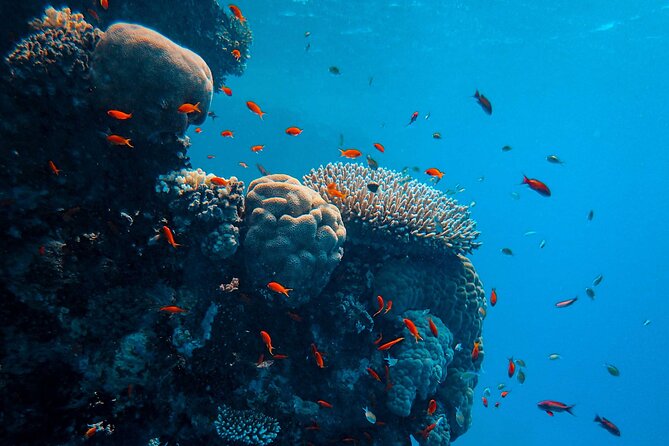
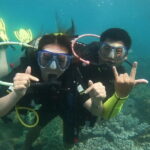
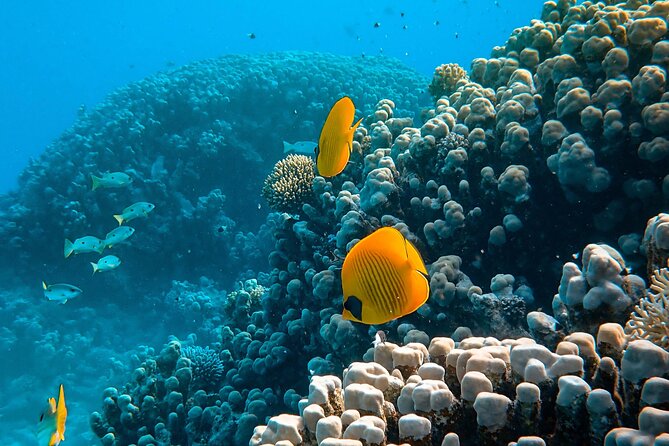
Your open-water location is Hon Mun Island. That’s where the course becomes truly memorable, because you’re no longer only practicing skills—you’re applying them in an actual marine environment.
You’ll complete 4 complete underwater sessions with your instructor. The first two are at about 12 meters, then the last two can go up to 18 meters. This depth progression is practical: you gain confidence in the early sessions, then you build toward the higher limit once you’re demonstrating control.
Even if you’re excited, it helps to treat these sessions as training. Your goal isn’t to “perform.” It’s to demonstrate that you can follow procedures, manage your buoyancy, and keep moving with purpose.
From the way instructors are described, coaching quality seems to be a strong point. One instructor named Khoa was praised for making the training interesting and explaining exercises and technique patiently. Another instructor, Chris, was highlighted as supportive during a first experience, especially for the parts that feel hardest at first.
Why instructors like Chris, Khoa, Thinh, Jens, and Huy matter
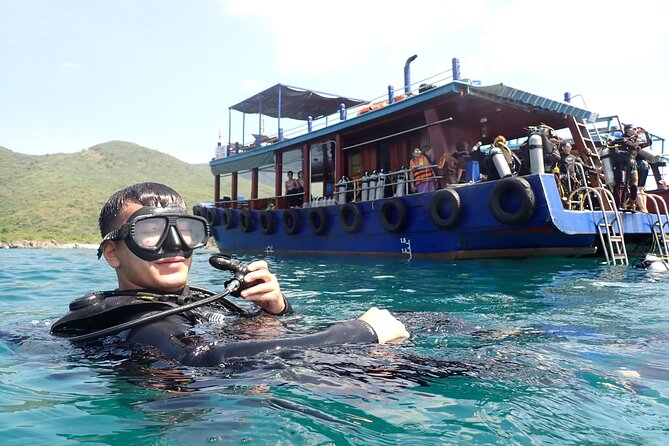
Small groups are great. But the instructor is the difference between a course you survive and one you enjoy.
Several instructors were specifically named in the course feedback: Chris, Khoa, Thinh, Jens, and Huy. The common thread across these accounts is instruction that feels hands-on and personal, not robotic.
For example, one learner described how Thinh helped with neutral buoyancy in a positive way. That’s important because buoyancy control isn’t just a technical goal—it’s what keeps you calm. When you can hover and move smoothly, you stop feeling like you’re being dragged around by your gear.
Another learner emphasized that communication was good, transportation was smooth, and post-session support (including food) made the day easier to manage. And families appreciated instructors who helped a younger participant handle the full experience with confidence, including a 10-year-old finishing the Open Water Diver course.
Timing, pickup, and mobile ticket: the logistics that reduce stress
The schedule starts at 9:00 am, and you’re picked up from your accommodation (pickup is included). The course is designed to run each day, so you’re not waiting around for random times that keep you on edge.
You’ll also receive a mobile ticket. That might sound small, but it helps on the ground—less paper shuffling, fewer “where do I go next?” moments.
The course also states a maximum number of travelers. Even with that, you can still expect a structured day. One of the smartest things a small operation can do is keep moving: theory, practice, briefing, then skills with your instructor. That pace is usually what helps beginners progress quickly without burning out.
Equipment and comfort: the course’s hidden superpower
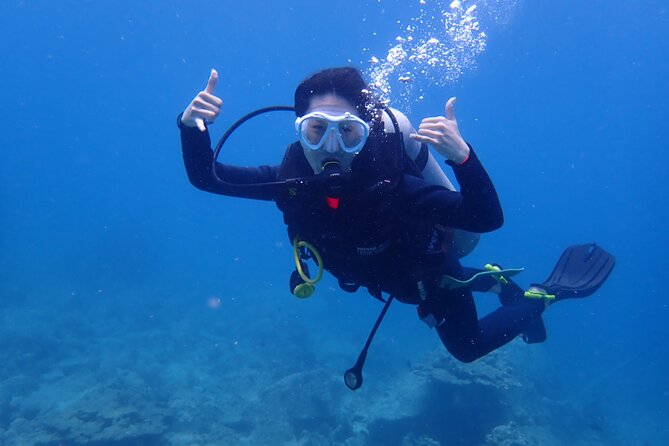
Beginners often worry about two things: equipment handling and feeling self-conscious. Here’s what’s encouraging: the structure is built around learning equipment use step by step, first in confined water and then in open water.
In one account, a participant mentioned being a plus-size woman who felt self-conscious at first. Their instructor, Thinh, helped them get set up and find buoyancy in a supportive way. That’s the kind of practical coaching that can matter more than people realize before their first course day.
If you’re worried you won’t be able to keep up, focus on the process, not the speed. The program is meant for beginners, and it runs with small groups, which gives your instructor time to notice what’s off and adjust.
What the $550 price really buys you
For $550 per person, you’re paying for a full beginner path to a widely recognized scuba credential, plus instruction over multiple days. You’re not just buying time on a boat—you’re buying structured training, theory, coaching, and the required assessments.
Here’s the value math that tends to make sense for beginners:
- You get guided learning across theory + confined practice + open-water sessions.
- You get the formal PADI certification requirements, including exams.
- You’re working in small groups with an instructor, which reduces wasted time and repeat confusion.
Could you find cheaper options in some destinations? Maybe. But the low-friction support you get in small groups often saves you from redoing skills or feeling overwhelmed. For many first-timers, that peace of mind is the real bargain.
Weather and pacing: what can change and why
This experience requires good weather. If conditions are not suitable, the course may be canceled, or you’ll be offered a different date or a full refund.
PADI training also depends on conditions, because safe water practice matters. If wind or visibility isn’t right, instructors won’t force the schedule. That can feel frustrating when you’re on vacation with fixed plans, but it’s also exactly how you avoid risky “we have to do it anyway” situations.
One comfort: the course feedback includes flexibility. For instance, someone mentioned postponing and changing the course time to something that fit their needs. That kind of responsiveness usually makes a difference when schedules get messy.
Who this course is perfect for (and who should think twice)
This course is a strong match if you want a first scuba credential with a clear structure and small-group support. If you like learning with step-by-step guidance, this setup helps you build confidence instead of guessing.
It’s also a good choice if you’re a solo traveler. One feedback account from a solo participant highlighted professionalism and a positive experience, which is what you want when you don’t have a friend to anchor you.
If you’re booking during a time when weather can swing, keep a little flexibility in mind. The course is weather-dependent, and while you can get a refund or alternate date when canceled for conditions, it still helps to avoid stacking too many fixed plans.
Should you book PADI Open Water Diver in Nha Trang?
I’d book this course if you want a beginner-friendly, structured start to scuba with small groups and instructors who take coaching seriously. The combination of theory with exams, confined practice, and four open-water sessions up to 18 meters is a straightforward path to certification.
If you’re the type who needs time to feel comfortable—especially with buoyancy and equipment—your odds are good. The named instructors and the focus on technique and support show up repeatedly in the experience.
Book if you can. But also give yourself a buffer day or two in your schedule. Weather happens, and this course runs on real water conditions, not wishful thinking.
FAQ
How long is the PADI Open Water Diver course?
The course runs for about 3 days.
Where does the open-water training take place?
Your main open-water stop is Hon Mun Island.
What depth range will I practice?
The first two open-water sessions are at about 12 meters, and the last two can go up to 18 meters.
How many open-water sessions are included?
You’ll do 4 complete open-water sessions with your instructor.
Do I need to do theory in class?
You can do theory either in classroom format or with e-learning, depending on how the course is run for your schedule.
Is there an exam during the course?
Yes. There’s a multiple-choice exam after the theory chapters, and you’ll also take a final written exam.
How small are the groups?
The course runs with a maximum of 4 students per instructor, and the experience lists a maximum of 5 travelers.
Is pickup included?
Yes, pickup is offered.
What if the weather is bad?
The experience requires good weather. If it’s canceled due to poor conditions, you’ll be offered a different date or a full refund.
Can I get a refund if I cancel?
You can cancel for a full refund if you cancel at least 24 hours before the experience’s start time.