REVIEW · NHA TRANG
Nha Trang Cooking Class (visiting local market & countryside)
Book on Viator →Operated by Vietnam Real Travel · Bookable on Viator
A day in Nha Trang goes way past the beach. You’ll hit a local market plus hands-on stops like a noodle factory and coconut processing, then cook at Viet Garden with Chef Dat. One small drawback to plan around: the day can feel schedule-tight if your group is late or if some people take longer turns.
I especially like the stress-free pickup and drop-off, so you spend the day eating instead of haggling for taxis. I also like that the itinerary is built around ingredients, not just recipes: coconut products, pho noodles, herbs, and market shopping all come before the cooking.
The cooking part is usually the payoff, but if your goal is maximum hands-on time, go in flexible. In a shared setting, a bit of time in the village can make cooking feel rushed, depending on the group flow.
In This Review
- Key highlights worth showing up for
- Why Nha Trang needs a cooking class that includes real food making
- Getting there: the 6-hour rhythm and why pickup matters
- Coconut place stop: juice now, story later
- Noodle factory and pho noodle basics: seeing the staple up close
- Local market in Nha Trang: where your ingredient choices get explained
- Vegetable and herb garden: taste the difference before the kitchen
- Coffee tasting and local family life: a calm pause with context
- Chef Dat at Viet Garden: three authentic dishes, your hands involved
- Lunch (and drinks) that keep the energy steady
- Price and value: $66.67 for market, production stops, and a guided class
- Who should book this Nha Trang class (and who might prefer another option)
- Should you book this Nha Trang Cooking Class with Chef Dat?
- FAQ
- How long is the Nha Trang Cooking Class?
- Is hotel pickup and drop-off included?
- What stops are included before the cooking class?
- How many dishes do you cook?
- Is lunch included, and do you get any drinks?
- Does the tour allow vegetarian options?
- What is the maximum group size?
- Do I get a mobile ticket?
- What happens if the weather is poor?
- Are tips included in the price?
- Can I cancel for a full refund?
Key highlights worth showing up for
- Hotel pickup and return that keeps the day from turning into logistics
- Market-first ingredient shopping so the cooking makes sense
- Coconut and pho noodle production stops that explain everyday foods
- Vegetable and herb garden ingredients you’ll recognize in your dishes
- Chef Dat at Viet Garden teaching three authentic dishes with real technique
- Lunch plus water or local beer so you don’t scramble for food afterward
Why Nha Trang needs a cooking class that includes real food making
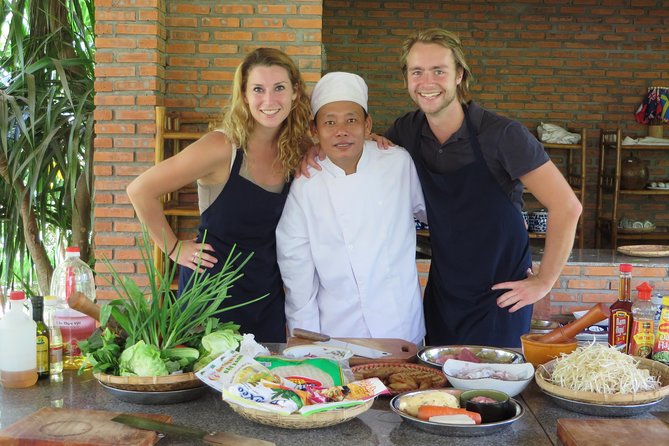
Nha Trang can be a beach-first city, which is fun, but it’s not the full story of Vietnam. This cooking class adds the stuff behind the scenes: where ingredients come from, how staples get made, and how local families build a meal.
The best part is that it’s not only about chopping and tasting. You go from ingredient sourcing to production (coconut and rice noodles) to cooking, so you understand what you’re working with and why Vietnamese flavors hit the way they do.
You’ll also get that small-group feel. Even though the max group size is capped (up to 20), the class is designed so Chef Dat can work with you directly rather than handing you a recipe card and sending you off.
You can also read our reviews of more shopping tours in Nha Trang
Getting there: the 6-hour rhythm and why pickup matters
The tour runs about 6 hours. It includes transfers, and pickup and drop-off are part of the deal, which is a big deal in Nha Trang. When you’re on a tight trip schedule, you don’t want to lose time finding meeting points or coordinating rides.
The tour operates between 9:00 AM–3:00 PM and 4:00 PM–8:00 PM. That matters because timing can affect how the day flows, especially if you’re connecting from another plan.
One practical tip: if you’re arriving by cruise ship, build in extra slack. One guest noted confusion around start times tied to different tender schedules. You can’t always control the port timing, but you can control whether you’re early at the meeting spot and ready to go.
Coconut place stop: juice now, story later
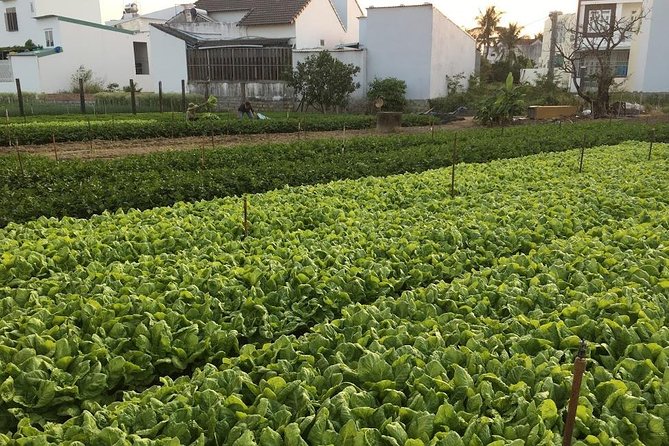
Coconut in Vietnam isn’t one product. It’s a whole set of uses, from drinkable juice to processed goods. This stop is where you get the coconut story in plain, real-life terms.
You’ll enjoy coconut juice and see how coconuts are processed for different products. It’s a small detour, but it’s valuable because it shows you how locals think: waste less, use more, and turn a single ingredient into multiple needs.
Expect this to be more than a photo stop. You’ll learn enough to notice coconut’s role in flavors and textures later when you’re cooking and eating.
Noodle factory and pho noodle basics: seeing the staple up close
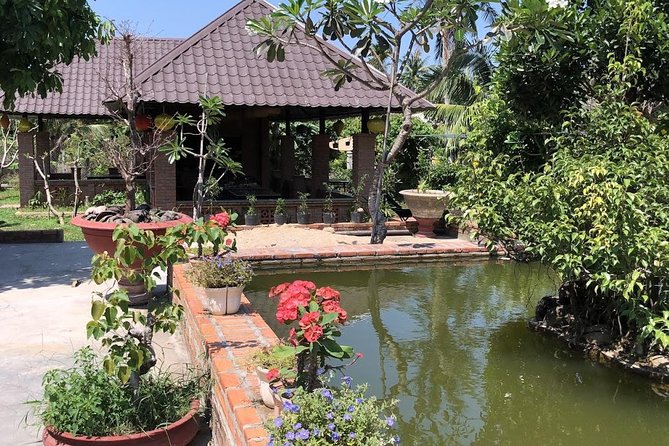
Pho noodles are one of those foods that seems simple until you see how they’re made. Before you cook, you visit a noodle factory to understand how rice noodles are produced for pho.
This stop tends to be a highlight because it connects the ingredient to the meal. When you understand how the noodles are handled and made, your cooking choices make more sense, whether you’re working with herbs, sauces, or the final plate.
If you’re a noodle fan, this is your moment. You’ll walk away with a stronger appreciation for why Vietnamese cooking treats noodles as something practical and precise, not just a carb.
Local market in Nha Trang: where your ingredient choices get explained
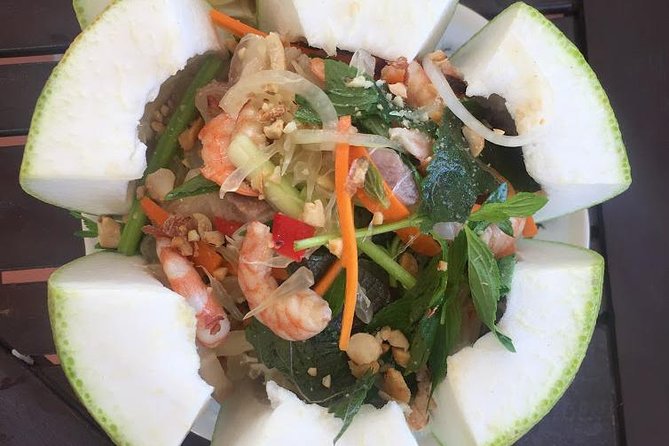
If you want to understand Vietnamese cuisine, start at the market. This tour takes you to a local market where you shop for the ingredients used for your cooking class.
This isn’t a quick walk-by. It’s a real browsing-and-explaining stop, with help from your instructor as you find items like herbs, vegetables, and cooking staples that you might otherwise overlook in a supermarket.
Here’s why I think this part is worth your time: you learn how to pick ingredients by sight and smell. That means your dinner back home stops being guesswork. Even if you don’t copy the exact dish, you can recreate the flavor logic.
Also, the market stop is where you can ask questions about substitutions. If you’re vegetarian, unsure what to buy, or want to avoid a certain flavor, this is the best moment to align your cooking experience with your preferences.





Vegetable and herb garden: taste the difference before the kitchen
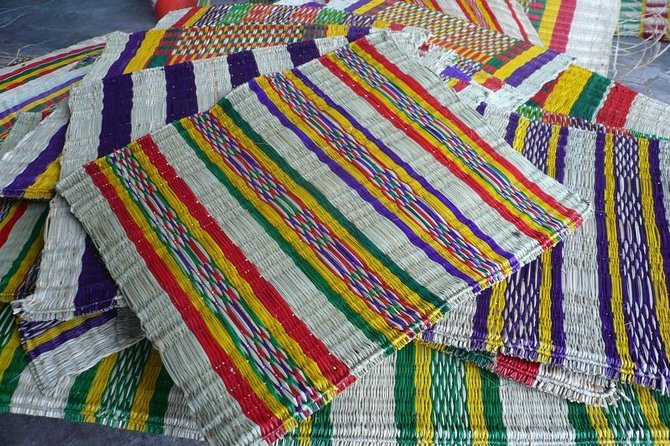
After market shopping, you continue into a vegetable and herbs garden area. This is where your cooking shifts from shopping list to real understanding of freshness.
You’ll see herbs and vegetables growing and learn how they’re used. Fresh herbs are a core piece of Vietnamese flavor, and seeing them in their natural state helps you grasp why Vietnamese dishes can taste brighter and cleaner than many Western interpretations.
Drawback to consider: garden and village stops take time. If you’re the type who wants to get straight to cooking, you may wish there was more kitchen time. The tradeoff is you get the ingredient context you wouldn’t get from a kitchen-only class.
Coffee tasting and local family life: a calm pause with context
You also stop for coffee tasting in a local setting. Coffee is part of Vietnamese daily life, and this break helps the day feel less like a strict “tour schedule” and more like a lived-in rhythm.
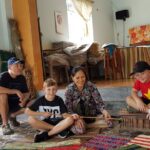
Some guests also mention a visit that shows how a local family lives and works, including seeing the shelter where they live. The broader point is simple: the food isn’t separate from daily life. Vietnamese cooking reflects what’s available, what’s grown, and what people can reliably produce.
If you enjoy culture through ordinary routines, this part lands well. If you’re only focused on cooking, it can feel like extra time—but it’s still time that explains the why behind the dishes.
Chef Dat at Viet Garden: three authentic dishes, your hands involved
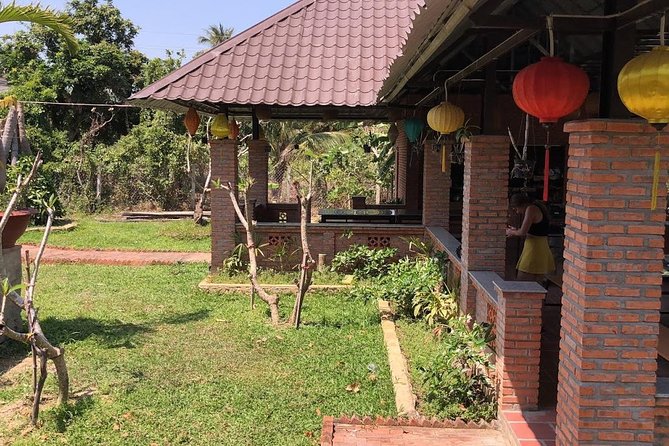
The class happens at Chef Dat’s cooking place, Viet Garden. This is where the day becomes truly practical.
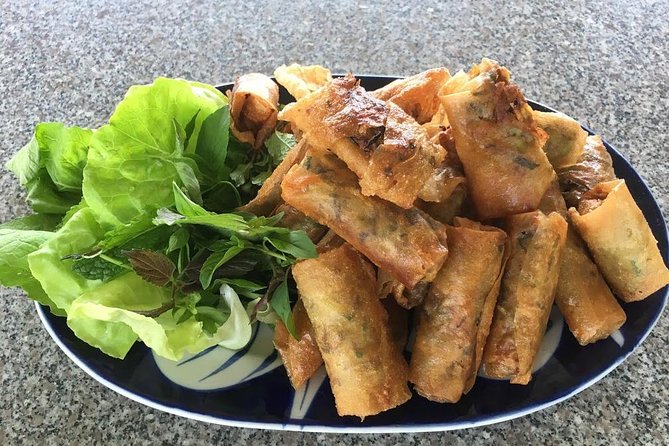
You cook three authentic Vietnamese dishes. Even better, you eat what you make. That’s not just a nice ending. It’s how you learn: taste, adjust in your head, and understand which flavors matter most.
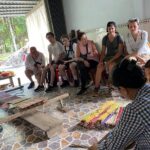
The kitchen is described as spacious and beautiful, which helps if you’re traveling with kids or if you don’t want a tiny, cramped space. One family noted that both kids and parents had a great time, which tells me the class isn’t just for hardcore cooking nerds. You can do as much cooking as you wish or just watch and take photos, depending on your comfort level.
Two points to keep expectations real:
- In shared groups, hands-on time can vary. If you’re hoping for maximum instruction on every step, go with the mindset that this is a guided class plus cultural visits, not a one-on-one cooking apprenticeship.
- If you want vegetarian food, tell the team ahead. Vegetarian diners reported a good experience, and in at least one case the menu was adjusted to fit the group.
Chef Dat also comes through strongly on communication. Guests describe his English as excellent, and they highlight his friendliness and willingness to answer questions. That matters. If you can ask why an ingredient goes in, the class becomes useful, not just entertaining.
Lunch (and drinks) that keep the energy steady
Lunch is included. Along with the meal, you’re served a local beer or water, which helps keep the day comfortable. For a 6-hour food-focused outing, this matters because you don’t want to leave mid-class to hunt for something to eat.
Eating your own dishes is part of the value too. You get the full loop: ingredients, cooking, and then the reward.
Price and value: $66.67 for market, production stops, and a guided class
At $66.67 per person, this isn’t a budget-only activity, but it’s also not overpriced for what you get. You’re paying for three layers of value:
1) Guided sourcing (market shopping plus garden time)
2) Behind-the-scenes production (coconut processing and pho noodle making)
3) A live cooking class and lunch with transfers included
If you compare this to booking only a cooking class in a city center, the extra production and countryside stops are where the money goes. You’re not paying just for recipes. You’re paying for context, instruction, and a guided day that connects Vietnamese food to how it’s made.
The only price-related caution: you’re paying for a shared experience with a capped max group size. That’s not bad, but it explains why hands-on cooking time can vary.
Who should book this Nha Trang class (and who might prefer another option)
This tour fits best if you:
- want Vietnamese food explained through ingredients, not just cooking steps
- enjoy markets, local production, and the kind of culture that shows up in everyday work
- like cooking but also want the countryside and family-life side
- are traveling with kids and want something interactive but not overly technical
It might not be the best fit if:
- you want a purely kitchen-focused session with no village time
- you need guaranteed maximum hands-on cooking for every participant (shared classes can’t always promise that)
- you’re extremely strict about start times without buffer (especially if you’re connecting from a cruise schedule)
Should you book this Nha Trang Cooking Class with Chef Dat?
If you want a Nha Trang experience that goes beyond the beach, yes, this is a strong choice. The day is built around ingredient sourcing and real production stops, and then it delivers a guided kitchen class with lunch at the end.
My advice: book it if you like learning how foods are made and you’re open to a day that mixes countryside visits with cooking. Bring a bit of flexibility around timing and group dynamics, and you’ll get a fun, informative meal at the finish line.
If you tell them your dietary needs (like vegetarian preferences) ahead of time, you’re also more likely to get dishes that match your palate.
FAQ
How long is the Nha Trang Cooking Class?
It runs for about 6 hours.
Is hotel pickup and drop-off included?
Yes. The tour includes transfer services, with pickup at your hotel or meeting point and return afterward.
What stops are included before the cooking class?
You’ll visit the coconut stop, a noodle factory, a local market, and a vegetable and herbs garden before cooking.
How many dishes do you cook?
You cook 3 authentic Vietnamese dishes at Chef Dat’s cooking place, Viet Garden.
Is lunch included, and do you get any drinks?
Lunch is included, and you also get a local beer or water.
Does the tour allow vegetarian options?
Vegetarian diners have reported a good experience, including cases where the menu was adjusted. It’s smart to tell the team ahead of time.
What is the maximum group size?
The activity has a maximum of 20 travelers.
Do I get a mobile ticket?
Yes, the tour provides a mobile ticket.
What happens if the weather is poor?
The experience requires good weather. If it’s canceled due to poor weather, you’ll be offered a different date or a full refund.
Are tips included in the price?
No. Tips, gratuities, and personal expenses are not included.
Can I cancel for a full refund?
Yes. You can cancel up to 24 hours in advance for a full refund. If you cancel less than 24 hours before the experience starts, the amount paid is not refunded.