Pedaling through Hanoi feels like a live city movie. I love how this bike tour mixes Banana Island calm with real family-life stories, so the day doesn’t feel like a check-list. I also love that you learn how people actually move, shop, and eat while you’re rolling through the streets. One drawback: you need to be a regular cyclist and comfortable riding in heavy traffic, because the route includes Hanoi’s “everything at once” energy.
You’ll join the ride with Sang, and along the way you’ll likely get a guide who’s fluent in English and big on explaining what you’re seeing. Guides like Tee, Minh, and Khoi come up again and again in the chatter because they keep the group together, guide you through tricky crossings, and help you understand why each stop matters.
It’s a practical day out: roughly 10 km / 6 miles, usually 3 to 8 hours, and it includes your bike, helmet, cold water, entrance fees, and lunch or dinner. It runs rain or shine, with a raincoat provided if you need it.
In This Review
- Quick hits from this Hanoi bike experience
- Riding Out of the Old Quarter Without Getting Lost in It
- Hanoi Traffic Reality Check: Fun, Yes. Risk, Also.
- The Old Quarter Short Stop: Where the City Teaches You How to Look
- Lake B52 (Ho Hữu Tiệp): History You Can Feel, Not Just Read
- A Family Home Visit: The Most Human Part of the Day
- Traditional Vietnamese Food: More Than Lunch, It’s Street Science
- Long Bien Bridge to Banana Island: The Day’s Biggest Tone Shift
- Train Street: Watching the Train Pass Inches From Life
- Ho Chi Minh Mausoleum Area: Big Symbol, Careful Details
- Lake-Walk Breaks and Quiet Spots That Make the Ride Feel Like a Story
- Price and Value: Why This Costs $34 and Still Feels Fair
- Who Should Book This Tour, and Who Should Skip It
- Should You Book This Hanoi Bike Tour?
- FAQ
- How far do we cycle?
- How long is the tour?
- Where do I get picked up?
- What’s included in the price?
- Is the tour held in the rain?
- What stops are part of the experience?
- Is alcohol allowed during the tour?
- What kind of cycling experience do I need?
- What ages is the tour suitable for?
- Is there an extra charge on holidays?
Quick hits from this Hanoi bike experience

- Banana Island contrast: city noise fades fast once you’re out on the lake
- Family home visit: learn daily habits beyond the tourist script
- Train Street timing: watch the train pass close enough to feel the speed
- English-speaking guidance: safety and street-reading come first
- Food stops with local names: bun cha, pho, banh mi, and pho cuon show up for a reason
Riding Out of the Old Quarter Without Getting Lost in It
Hanoi’s Old Quarter is an easy place to walk and still feel overwhelmed. That’s where the bike tour wins: you get a short, focused orientation around the center, then you move. You’re not just looking at buildings—you’re learning the rhythm of streets: where scooters flow, where pedestrians slip in, and how turns actually get made.
You’ll start with a pickup option in the Old Quarter area, so you can roll out fast and spend your energy riding, not waiting. If you’re staying outside the Old Quarter, plan on getting there on your own, because pickup is only included inside that zone.
The other thing I like here is how quickly the day becomes “yours.” It’s offered as private or small-group options, and in practice that often means fewer delays and more attention if you’re unsure about a corner or a lane change.
What to watch for: even if you’re an experienced rider, Hanoi traffic is its own sport. The guide’s job is to shepherd the group safely, but your job is to stay relaxed, look ahead, and don’t freeze when a lane suddenly disappears.
You can also read our reviews of more cycling tours in Hanoi
- Ninh Binh Full-Day Tour from Hanoi to Hoa Lu, Tam Coc & Mua Cave Via Boat & Bike
★ 5.0 · 4,384 reviews

Hanoi Traffic Reality Check: Fun, Yes. Risk, Also.
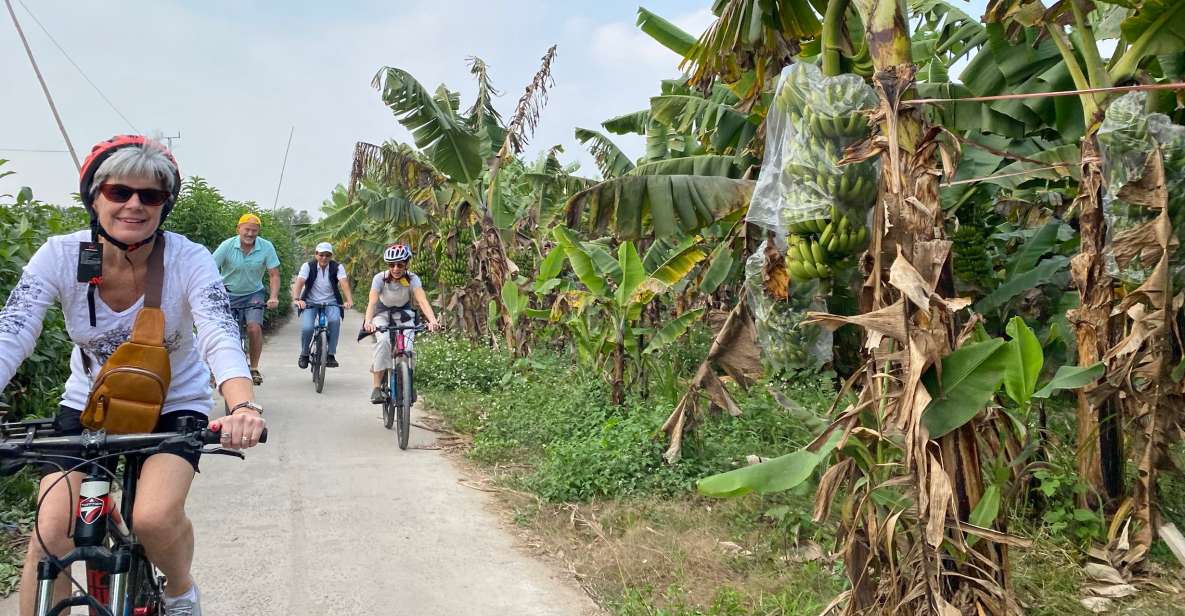
Let’s be honest: cycling in Hanoi can feel intense at first. The tour is clear about this—this isn’t a mellow Sunday spin. It’s for people who already ride regularly and can handle the constant mix of scooters, cars, buses, and bicycles.
Here’s the good news: the best part of the experience is that you’re not thrown into traffic alone. Many guides (Tee, Minh, Khoi, and others) are praised specifically for staying calm, keeping routes controlled, and guiding you through the hard moments—merging, crossing, and passing when it looks impossible from the sidewalk.
A smart way to ride is to match the guide’s pace and keep your line predictable. If you’re the type who swerves around every pothole or obstacle at the last second, you’ll stress yourself and you’ll stress the group. When Hanoi gets loud, you want smooth, simple movement.
My advice before you go: if you haven’t cycled in traffic before, do not treat this like a beginner lesson. If you have the comfort level, you’ll likely find it exhilarating—the kind of exhilaration that comes from competence, not luck.
The Old Quarter Short Stop: Where the City Teaches You How to Look
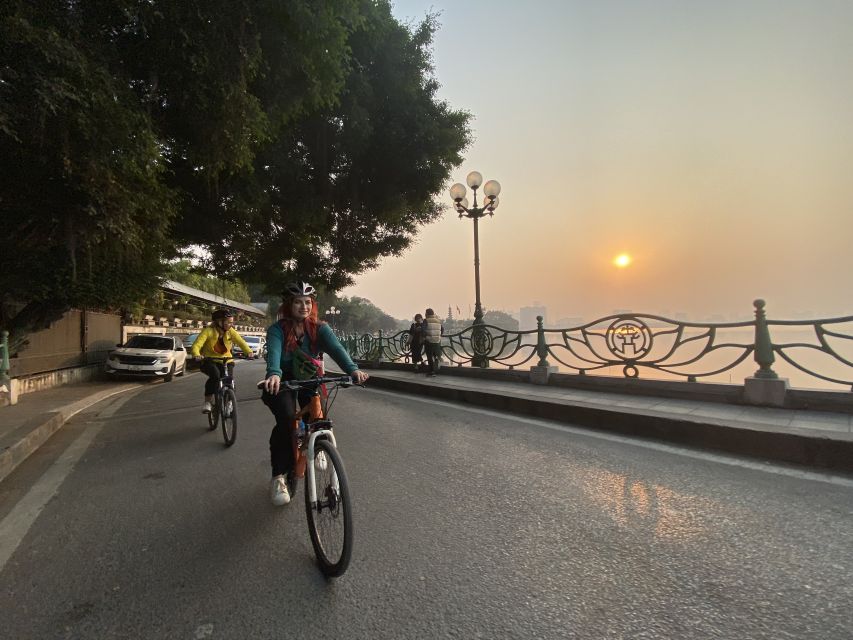
You’ll spend time around the Old Quarter area early enough to get the layout in your head. This is the stage of the day where you learn how the city’s small streets work, how shops cluster, and how people weave through the flow.
This part also sets you up for the other stops later. When you see landmarks like Train Street and Long Bien Bridge later in the ride, the context will click faster, because you already understand how Hanoi neighborhoods connect.
Possible drawback: you’ll likely be tempted to stop for photos constantly. Try to save your camera energy for the stops where you get guided context and better viewing chances. Otherwise the ride can start feeling like a never-ending pause.
Lake B52 (Ho Hữu Tiệp): History You Can Feel, Not Just Read
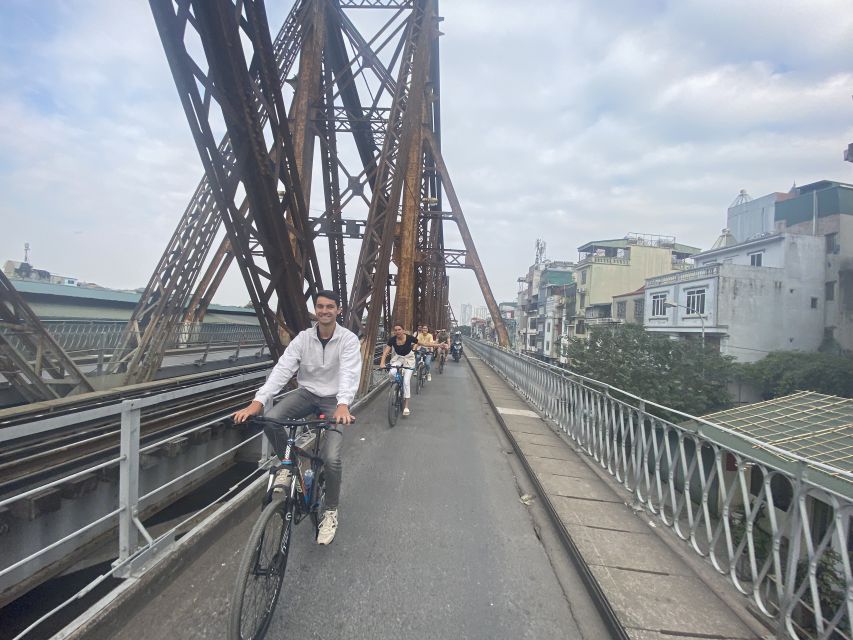
One of the more memorable stops on this kind of route is the Lake B52 area, tied to the Vietnam War story. The lake’s name comes from a crashed B-52 bomber, and today it’s not a dramatic museum scene. It’s a place locals come to fish and relax, which changes the tone completely.
You’ll have a photo stop plus time to visit and hear guided explanation. That combination matters. It’s easy to walk by a landmark and miss what it means. Having a guide point out the story behind the place, then letting you sit and look around, helps it land.
If your departure time is early (some starts have been around 5am), you may also catch Hanoi waking up in this area. That can add a quiet, thoughtful layer to the day—smaller voices, slower movement, and locals doing morning routines near the water.
A Family Home Visit: The Most Human Part of the Day
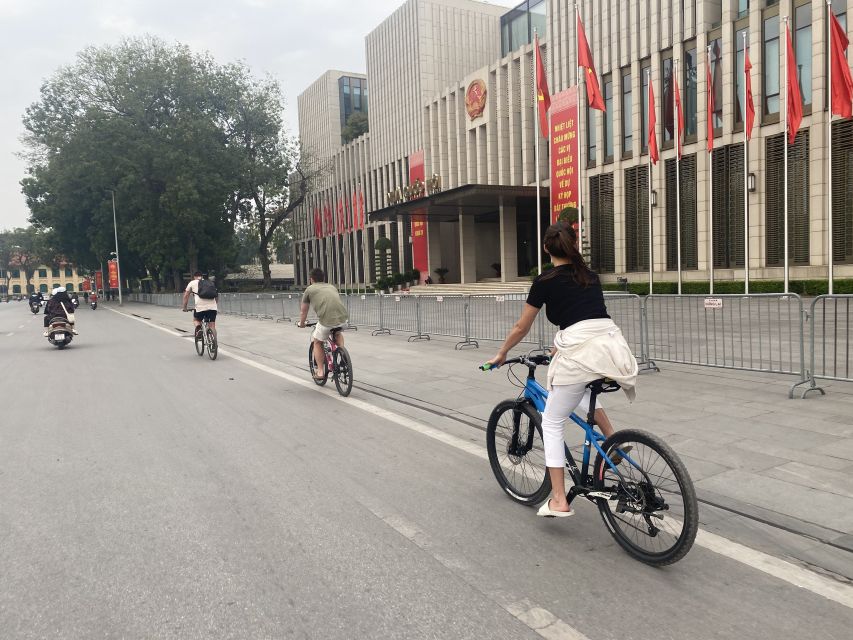
The highlight that tends to stick with people is the family home visit. This is where you see daily life up close, not in a staged way. The goal isn’t just a photo. It’s learning how people live: what their day looks like, how food and routines fit together, and how neighbors share space.
This kind of stop can be surprisingly powerful because it gives you a baseline. When you later ride through major sites and iconic streets, you’re better able to connect the dots between “Vietnam’s symbols” and “Vietnam’s everyday.”
Practical note: be ready to be present. This isn’t the time to half-listen while taking five dozen pictures. Ask simple questions, and let the guide translate the details you’d otherwise miss.






Traditional Vietnamese Food: More Than Lunch, It’s Street Science
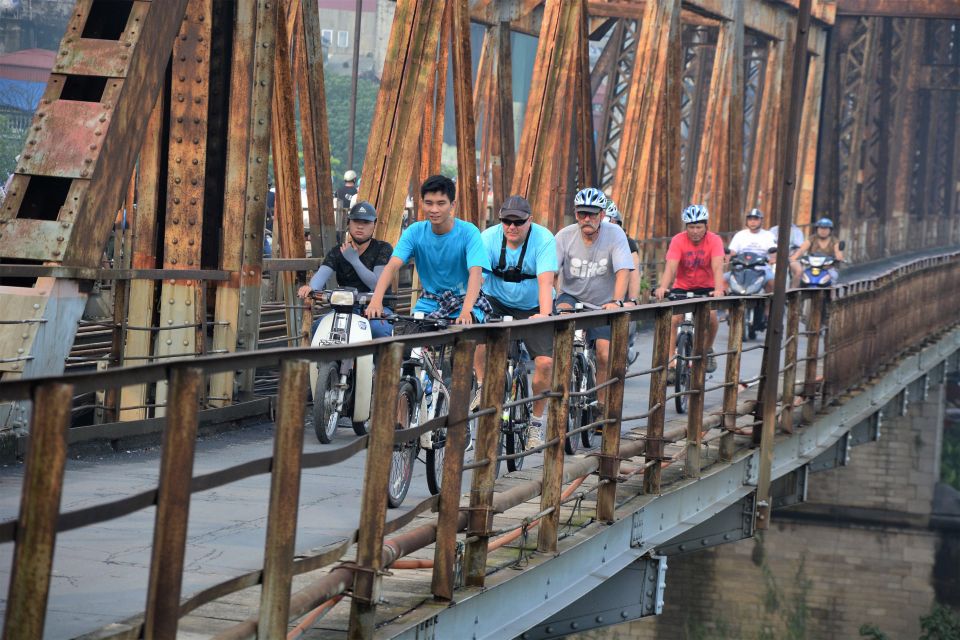
At some point in the ride, you’ll eat local food. The tour includes lunch or dinner, and the menu style usually includes dishes like bun cha, banh mi, pho cuon, and pho. You’ll also get guided food tasting, which is useful because Vietnam has a lot of regional styles and lots of ways to build flavor.
One thing I like about this food portion is that it teaches you how Vietnamese meals function as a social rhythm. People sit, share, talk, and eat slowly—even when the street chaos is happening outside.
You might also encounter specific variations suggested by the guide. For example, one dish that showed up in the experience feedback is banh mi chao, a plate-style version that goes beyond the basic sandwich idea. If you’re a foodie, you’ll probably enjoy the chance to try multiple dishes rather than betting everything on one.
What to consider: the tour includes cold water, but your exact drinks at the table aren’t included. If you know you’ll want coffee or juice, it’s smart to bring a little extra cash.
Long Bien Bridge to Banana Island: The Day’s Biggest Tone Shift
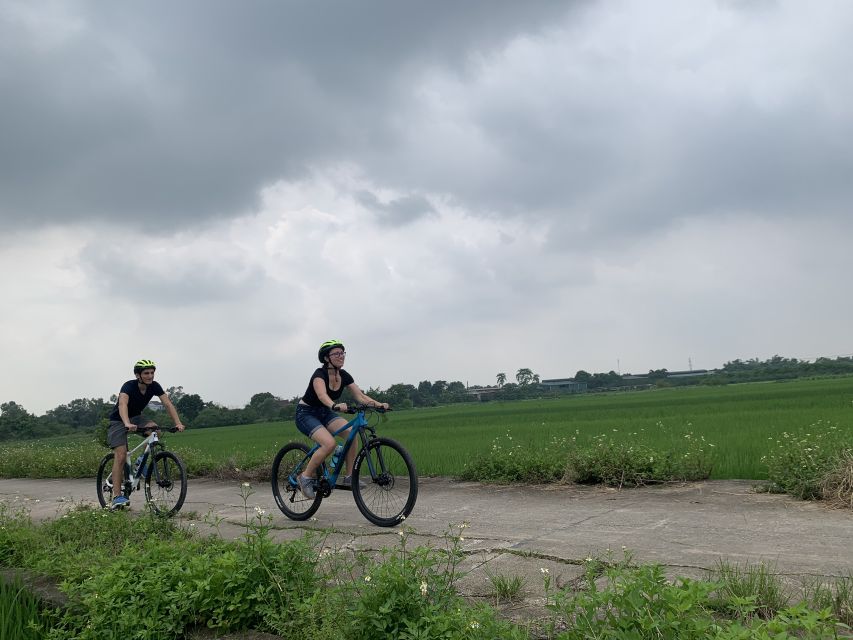
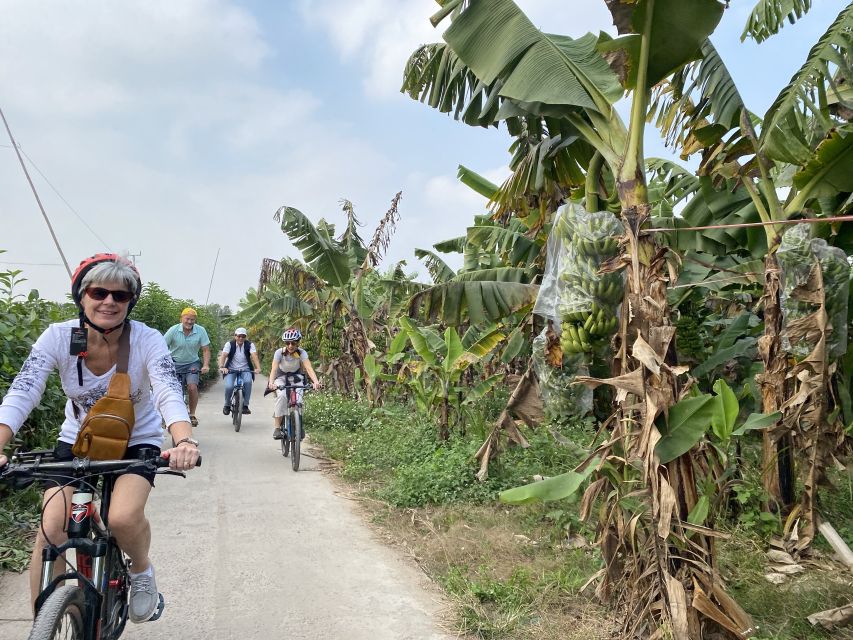
Crossing to Banana Island is where the tour stops being only about sights and turns into a mental reset. Banana Island sits on West Lake, and the way you reach it includes a short boat ride. That matters more than you might think, because it breaks the “just ride, just stop” pattern and makes the lake feel like an actual destination, not a side note.
Once you’re out there, the pace changes. You trade scooters-for-water sounds. You get greenery. The view over the lake gives you space to breathe, and the whole experience becomes calmer without turning boring.
This is also one of the reasons cyclists love the tour: it’s not purely adrenaline. You get contrast—busy Hanoi energy followed by a quiet ride that makes the contrast feel real.
Possible drawback: the Banana Island portion can be exactly what you want, or it can feel too peaceful if you’re chasing nonstop thrills. I’d treat this as a balanced day: see the city hard, then exhale.
Train Street: Watching the Train Pass Inches From Life

Train Street in the Old Quarter area is famous for one simple reason: the tracks run through a narrow lane so the train passes extremely close to homes and shops. On the bike tour, you don’t just glance at it—you time it with a guided stop, often with a cold drink break while you wait.
This stop is a little surreal, and it’s also very human. You see how people live with a moving schedule built into their neighborhood. You’ll likely feel the noise in your chest more than you expect.
What to know: don’t assume you can shoot photos safely without thinking. Narrow spaces and foot traffic mean you’ll want to stay aware and follow the guide’s positioning.
Ho Chi Minh Mausoleum Area: Big Symbol, Careful Details

Another major stop type on this route is the Ho Chi Minh Mausoleum area. This is a place loaded with national meaning, so the guided context helps. Even if you’re not a history buff, you’ll understand the importance faster when someone connects what you’re seeing to what the site represents.
This part can also be a good counterweight after the more chaotic streets. You get a different atmosphere—more structured, more ceremonial, more about respect and observation.
Practical consideration: this isn’t the time to rush through. If you want photos, plan for short pauses and follow the group. The guided pacing is part of keeping everything smooth and safe.
Lake-Walk Breaks and Quiet Spots That Make the Ride Feel Like a Story
Beyond the landmark stops, the tour’s structure includes time to sit, chat, and look. Lake B52 is the obvious example, but you’ll also get short guided pauses where the guide explains local patterns you might miss.
That’s what makes the day feel more like a story than like a bus tour on wheels. You can match each stop to a layer of Hanoi: daily life, war memory, neighborhood streets, lake calm, and national symbolism.
Price and Value: Why This Costs $34 and Still Feels Fair
At about $34 per person, you’re paying for more than a bike. You’re paying for:
- A guide to steer you through chaotic traffic safely
- English explanations at key stops
- Entrance fees
- Your bike and helmet
- Cold water
- Lunch or dinner
- A raincoat if needed
If you tried to replicate this yourself, you’d likely spend extra time figuring out routes, you’d pay for multiple tickets, and you’d still face the hardest part—traffic navigation—without the support of a guide.
Where value gets lost (if you’re not a fit): if you’re uncomfortable biking in traffic, the tour stops being fun fast. You’ll also waste energy focusing on fear instead of enjoying the city. This is why being a regular cyclist is so important to the value equation.
Also check holiday surcharges: there’s a $10 extra charge on New Year, Tet holiday dates (Feb 8–12), Liberation Day/Reunification Day (30/4), International Workers’ Day (1/5), and National Day (02/09). That doesn’t change the experience, but it can change the deal.
Who Should Book This Tour, and Who Should Skip It
I think this tour is a strong match if:
- You’re comfortable riding a bicycle and handling busy streets
- You want more than photos: you want context, food, and local life
- You like variety, especially the contrast between Hanoi traffic and Banana Island calm
- You enjoy meeting guides who explain what you’re seeing, stop by stop
I’d skip it if:
- You’re not a confident cyclist in traffic
- You’re traveling with young kids (it’s not suitable for children under 8)
- You’re pregnant or have mobility impairments (not suitable for those cases)
Should You Book This Hanoi Bike Tour?
If you’re the type of traveler who wants your day to feel like Hanoi—not just Hanoi highlights—this ride is worth it. The best part is the mix: Old Quarter energy, a family home look at daily life, a lake-and-history pause at Lake B52, and then the quiet contrast of Banana Island. Add food like bun cha and pho, plus a guide who keeps you safe in traffic, and you get a solid all-day experience for the money.
Book it if you’re confident on two wheels and you can handle some stress for the payoff. Skip it if you want a gentle city walk or if cycling in chaos makes you anxious.
FAQ
How far do we cycle?
You’ll cover approximately 10 km (about 6 miles).
How long is the tour?
It runs from about 3 to 8 hours, depending on the departure and the day’s schedule.
Where do I get picked up?
Hotel pickup is available in the Old Quarter area. If you’re outside the Old Quarter, pickup is not included.
What’s included in the price?
Bicycle and helmet, an English-speaking guide, hotel pickup/drop-off in the Old Quarter area, lunch or dinner, entrance fees, and cold water. A raincoat is also included if needed.
Is the tour held in the rain?
Yes, it runs rain or shine.
What stops are part of the experience?
You’ll see places including the Old Quarter, Lake B52 (Ho Hữu Tiệp), Banana Island (reachable by a short boat ride), Long Bien Bridge, Train Street, and the Ho Chi Minh Mausoleum area.
Is alcohol allowed during the tour?
No. Alcohol and drugs are not allowed.
What kind of cycling experience do I need?
The tour is described as safe, but it’s also clear you should be a regular cyclist and comfortable navigating Hanoi’s street traffic.
What ages is the tour suitable for?
It’s not suitable for children under 8.
Is there an extra charge on holidays?
Yes. There is a $10 surcharge on New Year and Tet holiday dates (Feb 8–12), Liberation Day/Reunification Day (30/4), International Workers’ Day (1/5), and National Day (02/09).
More Cycling Tours in Hanoi
- Ninh Binh Full-Day Tour from Hanoi to Hoa Lu, Tam Coc & Mua Cave Via Boat & Bike
★ 5.0 · 4,384 reviews