REVIEW · BAC TRUNG
From Hue: Vinh Moc Tunnels & DMZ Local Insight Tour
Book on GetYourGuide →Operated by Vietnam Legacy Tours · Bookable on GetYourGuide
Underground life in Vietnam feels oddly close. This Hue-to-DMZ tour gives you two of the most memorable stops in one day: a guided walk through the Vinh Moc Tunnels underground village and a time on Hien Luong Bridge over the historic division line. I especially like how the tour turns “history” into something you can picture—bomb shelters, daily survival, and the human cost of separation. One consideration: the tunnels are enclosed, so this is not a good match if you’re claustrophobic.
You’re also not stuck on a rushed route. The day is built around a small-group feel with hotel pickup, an air-conditioned private vehicle, and an English-speaking guide who explains what you’re seeing as you go. If you want a focused DMZ day that connects geography to lived experience, this one makes it easier.
In This Review
- Key things that make this Hue–DMZ day tour work
- Why the Vinh Moc Tunnels don’t feel like a “typical” war stop
- Hue to the DMZ: using the ride time instead of watching the scenery pass
- Ben Hai River: the calm break that helps the war story land
- Hien Luong Bridge: standing on a line you can’t ignore
- Vinh Moc Tunnels: what you’ll actually do underground
- Small-group feel and English guidance: why it changes the whole day
- Price and value: why $19 can be a smart deal here
- Timing and comfort: the reality of a six-hour DMZ day
- Who this tour is best for (and who should skip it)
- What to pack and how to prepare for the day
- Should you book the Hue Vinh Moc Tunnels & DMZ Local Insight Tour?
- FAQ
- How long is the tour from Hue to the Vinh Moc Tunnels and DMZ?
- What’s included in the price?
- Is lunch included?
- What should I bring?
- Is this tour suitable for everyone?
- What’s the cancellation policy?
Key things that make this Hue–DMZ day tour work
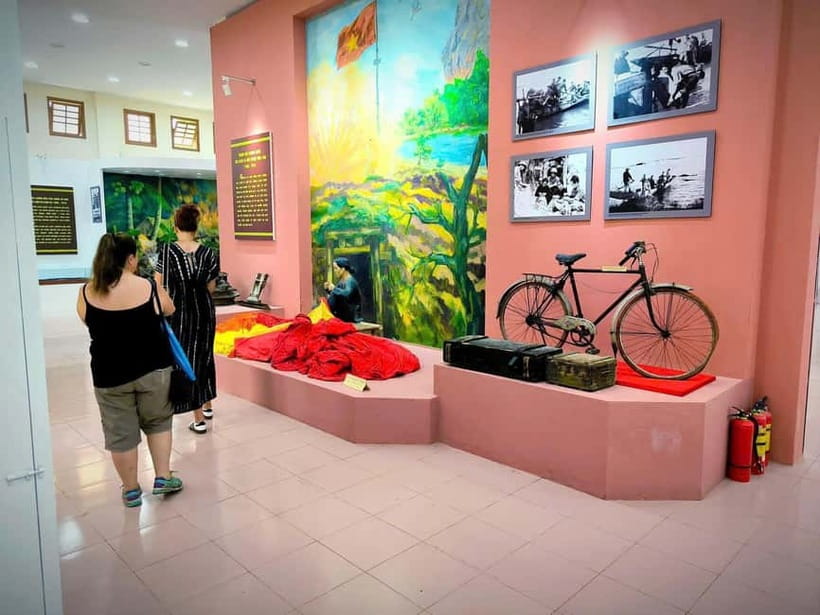
- Vinh Moc Tunnels as a real underground village, with guided access to the shelters, kitchens, and wells
- Hien Luong Bridge as a physical marker of the 1954 division, not just a photo stop
- Ben Hai River time for views, walking, and a calm break in the middle of the day
- Small-group pacing that feels more personal than a big coach tour
- Clear communication from the guide, with English explanations during the key stops
Why the Vinh Moc Tunnels don’t feel like a “typical” war stop
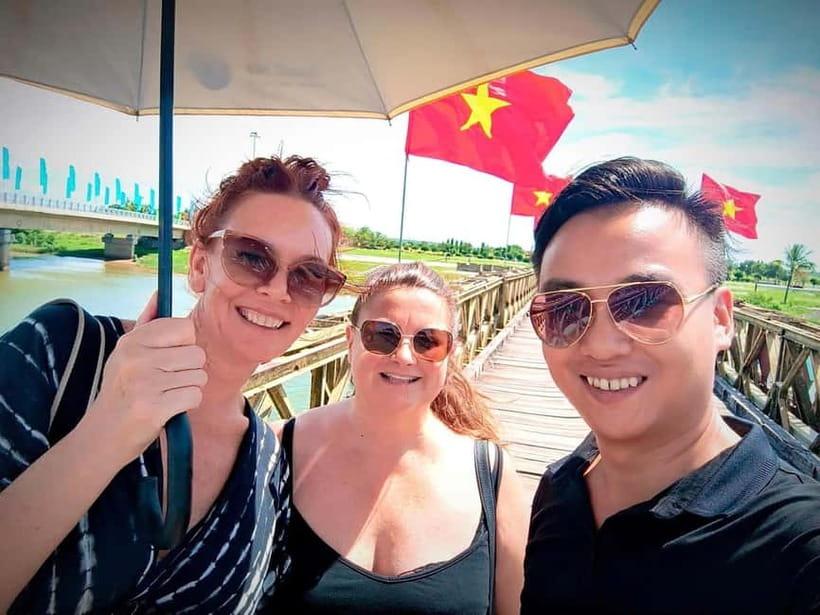
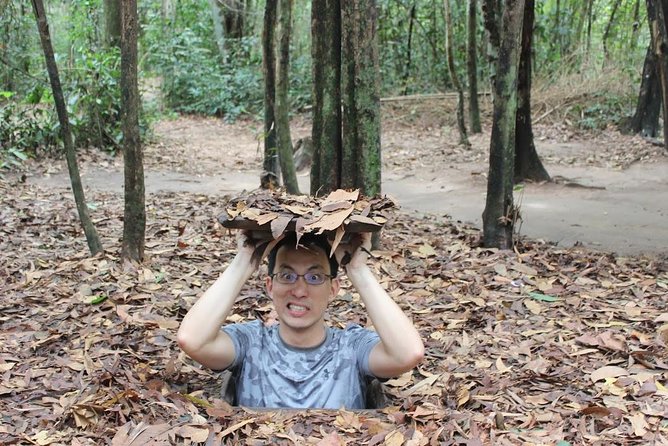
The Vinh Moc Tunnels are famous for one reason: they weren’t only military. You’re walking through an underground living space where civilians survived intense bombardments. That shift matters. In many places tied to war, you mostly see equipment or ruins from the surface. Here, the story is closer to daily life—how people adapted when the sky wasn’t safe.
You’ll get a guided walkthrough of the tunnel network. Expect to see areas described as part of an underground village life, including shelters, kitchens, and wells. The point isn’t to shock you—it’s to help you understand the ingenuity and resilience required to keep going underground.
This is also the emotional center of the day. Even if you don’t know much Vietnamese War detail, you’ll leave with a clearer sense of what “survival” meant when there was nowhere to run.
Hue to the DMZ: using the ride time instead of watching the scenery pass
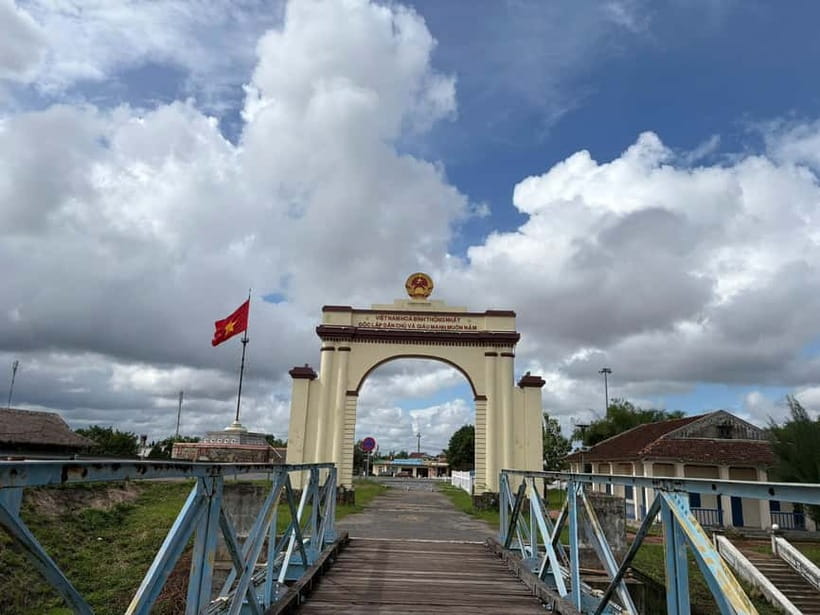
The day starts with hotel pickup in Hue. You meet the driver at your accommodation, and you’ll have practical coordination via WhatsApp text. You’re then transported north in a private car/van with air conditioning—simple comfort that matters on a long day.
This isn’t just time spent in transit. The route takes you into Quang Tri Province and the former DMZ area, so the drive sets up your expectations. You’ll see rural scenery as you go, and the guide can frame what the next stops mean before you ever get out of the vehicle.
One practical note: there’s no smoking allowed in the vehicle. So if you’re sensitive to smoke (or you’re trying to be considerate), you’ll be glad it’s spelled out.
Ben Hai River: the calm break that helps the war story land
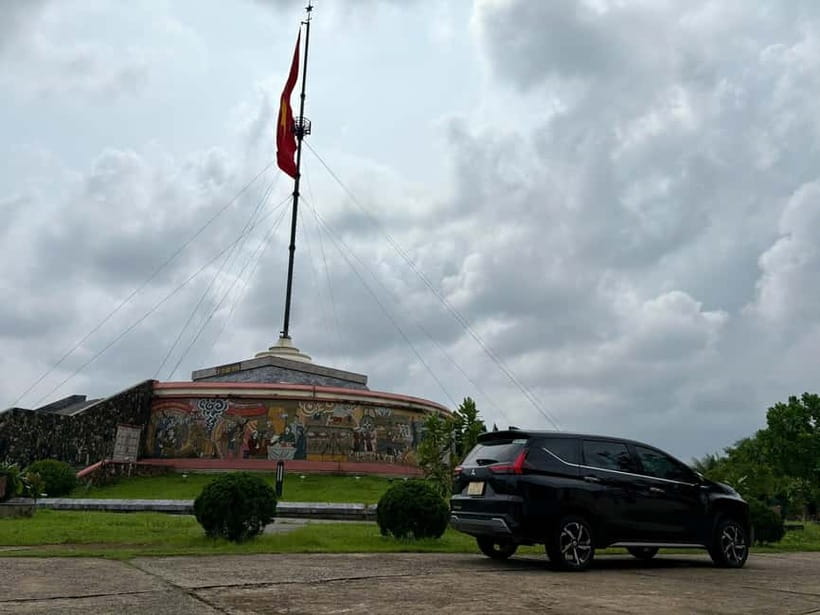
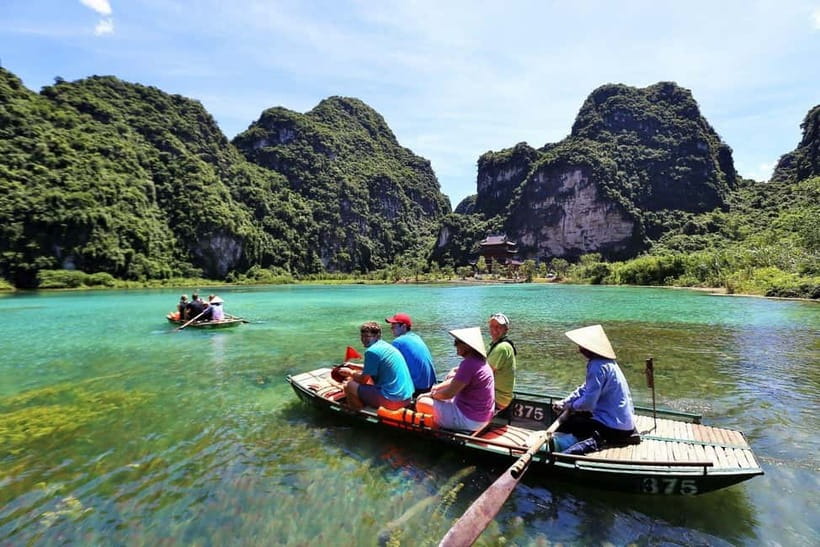
Your first major stop is the Bến Hải (Ben Hai) River. You’ll have time for a photo stop and a guided, on-foot segment along the river area. Then you’ll also have a longer break later for lunch.
Why this river stop works: it gives you a visual reset. The DMZ is the kind of history that can feel heavy. The river provides a straightforward geographic anchor before you hit the most symbolic location of division.
If you’re the type who likes to understand geography as a story tool, the Ben Hai section helps. You’re building a mental map—river, then bridge, then tunnels—rather than jumping between disconnected sites.
Hien Luong Bridge: standing on a line you can’t ignore
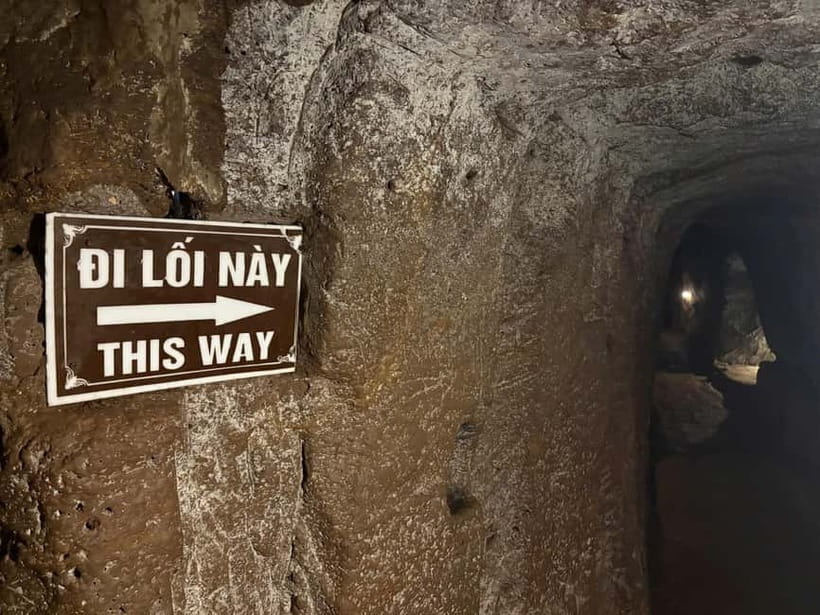
After the river time, you head to Hien Luong Bridge, and you’ll get a guided visit plus photo time. This is the stop that turns the historical description into something physical.
According to the tour framing, the bridge became a symbol of the Vietnam division following the 1954 Geneva Accords—described here as a 20-year separation. You’re not just looking at history behind glass. You’re physically spanning the line that once separated North and South Vietnam.
This is where the guide’s storytelling really matters. The tour emphasizes authentic context and personal perspective—so you don’t just hear dates. You learn why the division hurt, what it meant for people living nearby, and how reunification later changed the reality on the ground.
A good way to handle an emotional site like this: pause for photos, then listen closely while standing still. Don’t multitask. The bridge gets more meaningful when you give it your full attention.
Vinh Moc Tunnels: what you’ll actually do underground
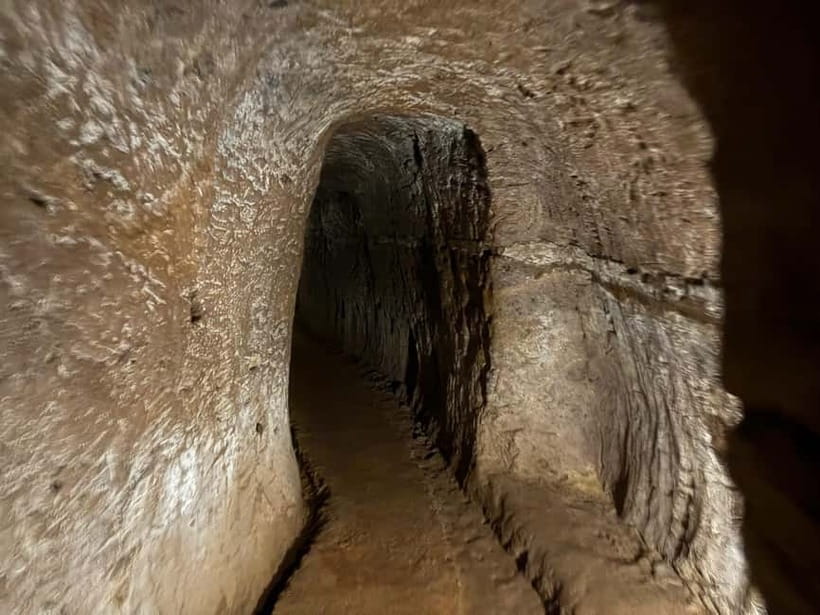
Once you reach the tunnel area, you’ll spend about an hour on-site. Most of that time is guided, plus walking through the network.
You can think of the tunnel visit in three layers:
- Orientation: what the tunnel system was used for and how it functioned as an underground community.
- Life inside: shelters, kitchens, and wells—places tied to staying alive day after day.
- Walking it through: you move from one area to another, so the layout becomes understandable rather than abstract.
Because the tunnels are enclosed, this stop is also the biggest “fit check” of the day. The tour is clearly not suitable for claustrophobia or wheelchair users, and it’s also noted as not suitable for pregnant women. If you’re unsure, treat the tunnel portion as the deciding factor, not the bridge.
What to bring is simple and useful: comfortable shoes (you’ll be walking), a camera if you want to document the experience, and water. The tour includes bottled water, but your comfort will still depend on footwear and how you handle tight indoor spaces.
Also, if you’re traveling with friends, this is one of those tours where you’ll want to agree on pacing. The tunnel experience works best when you’re willing to slow down and listen to the guide’s explanations.
Small-group feel and English guidance: why it changes the whole day
This is a private group tour with an English-speaking guide during the tour. That combination matters on DMZ days, because the meaning comes from context—what you’re seeing and why it mattered.
You may encounter guides such as Thach or Tri (names from English-speaking tour staff). The common theme in how the day is described: clear communication, good pacing, and explanations that go beyond surface-level facts. You’ll also have a driver who focuses on safe, considerate driving, with examples including Duc and Justin.
Even when language is imperfect, the tour format helps. The guide handles the talking, and the day stays organized around the main stops rather than turning into a guessing game.
On top of that, the driving is part of the experience. One driver—Tony, for example—was described as arriving on time with water ready in-hand, which makes the start of the day feel smooth instead of stressful. Another key point: drivers are expected to follow traffic rules calmly, not treat the road like a race.
Price and value: why $19 can be a smart deal here
At $19 per person, this tour is priced to feel accessible, especially for a six-hour day that includes:
- hotel pickup and drop-off in Hue
- an air-conditioned private vehicle
- an English-speaking guide (for the tour portions)
- bottled water
- entrance fees (not for the driver-only option)
Lunch isn’t included, but it can be arranged upon request. That’s a fair tradeoff if you want flexibility. You’re also not paying extra for a big group bus vibe—this is private group travel.
The value here isn’t only the cost. It’s how the day is assembled: tunnels plus bridge plus the river area, with guidance throughout the key stops. If you were to piece this together on your own, you’d spend time organizing transport, permissions, and timing. This day tour keeps the structure tight, so your attention stays on the places themselves.
Timing and comfort: the reality of a six-hour DMZ day
The duration is listed as 330 minutes (about 6 hours). That’s long enough to feel like a full day, but short enough that you don’t lose the entire day to logistics.
You’ll likely feel the walking. Most of it is spread out: river time, bridge photo and guided time, then the tunnel walk and guided visit. That’s why comfortable shoes matter more than you’d think.
Also consider weather. One past experience mentioned rain and still working out fine. Just be aware that outdoor photo stops can be wetter than you expect.
If you’re the kind of traveler who likes to sit down often, you’ll be happier with the built-in break for lunch and the fact that you’ll return to Hue after the main sites.
Who this tour is best for (and who should skip it)
This is a great fit if you want:
- a small-group DMZ day from Hue
- a guided visit that explains the meaning behind the stops
- a mix of geography (river/bridge) and human survival (tunnels)
- English-language support during the key moments
It’s less suitable if you:
- have claustrophobia (tunnels are enclosed)
- need wheelchair access (not suitable for wheelchair users)
- are pregnant (not suitable)
- want only light, casual sightseeing without heavy war context
If your priorities are empathy, understanding, and clear guided context, this day hits those goals.
What to pack and how to prepare for the day
Keep it straightforward:
- Comfortable shoes
- Camera
- Water (bottled water is included, but it’s still smart to think about how you’ll carry it)
During the day:
- don’t smoke in the vehicle
- plan to spend most of your time outside the car at the main stops
The best mental preparation is to go in with respect. This is not entertainment. The bridge and tunnels connect to real suffering, and the meaning comes from how carefully you watch and listen.
Should you book the Hue Vinh Moc Tunnels & DMZ Local Insight Tour?
If you want one efficient day that covers the DMZ’s most powerful landmarks, I’d book it. The combination of Vinh Moc Tunnels and Hien Luong Bridge gives you both the survival story and the political geography of division. The guided format helps you understand what you’re seeing instead of treating the stops like a checklist.
You should also book this if you value a private, air-conditioned ride with an English-speaking guide and a calm pace. The $19 price is hard to ignore for how much guidance and transport you’re getting.
Skip it only if the tunnel environment is a problem for you (claustrophobia, mobility needs, or pregnancy). For everyone else, it’s exactly the kind of DMZ experience that turns “war history” into something you can actually picture.
FAQ
How long is the tour from Hue to the Vinh Moc Tunnels and DMZ?
The duration is listed as 330 minutes, about 6 hours.
What’s included in the price?
Hotel pickup and drop-off in Hue, private air-conditioned transportation, an English-speaking guide for the tour, bottled water, and entrance fees (not for the option driver only).
Is lunch included?
Lunch is not included, but it can be arranged upon request.
What should I bring?
You should bring comfortable shoes, a camera, and water.
Is this tour suitable for everyone?
No. It’s not suitable for pregnant women, people with claustrophobia, or wheelchair users.
What’s the cancellation policy?
Free cancellation is available up to 24 hours in advance for a full refund.