REVIEW · DALAT
7-hour Datanla waterfall, Clay Tunnel and Holy See temple
Book on GetYourGuide →Operated by Easy Riders Vietnam · Bookable on GetYourGuide
Da Lat can feel like a movie set, and this route leans into that. You get Clay Tunnel’s giant miniature-city sculptures and the Datanla Waterfall area in one packed day, with enough temple time to understand why people come here. I also like how the day mixes photo stops with short walks, so you’re not stuck in a single type of attraction. One drawback: it’s a full day of driving and moving between stops, so if you’re easily car-sick or you prefer slow travel, plan to pace yourself.
I found the biggest value is the human touch. On this tour you’ll ride with English-speaking guides, and names like Mr. Hiep, Lee, Le, Tintin, Tri, and Chung come up for a reason: safe driving, clear explanations, and real flexibility (like adjusting timing when possible). If you go, bring a good attitude for traffic and a bit of heat or mist, because Da Lat’s weather can switch quickly.
In This Review
- Key Highlights You’ll Actually Feel
- Why This Da Lat Route Makes Sense for a Short Stay
- Getting There: Motorbikes, Car Options, and What Safety Feels Like
- Stop by Stop: What You’ll Get from Clay Tunnel to Lam Vien Square
- Clay Tunnel (Artificial Clay Art Area): oversized mini-Da Lat world
- Truc Lam Zen Monastery: calm views above the lake
- Datanla Waterfall: one hour of adventure energy
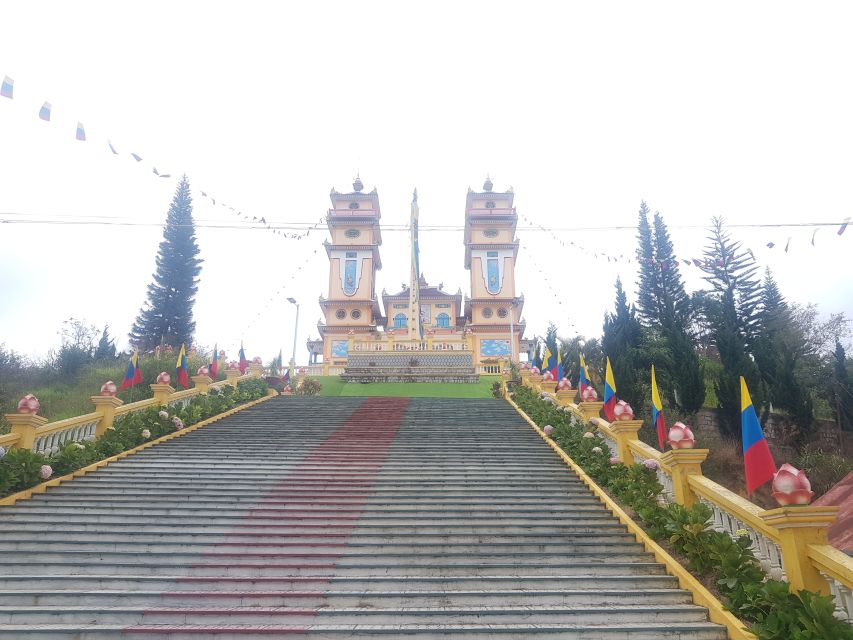
- Cao Dai Temple of Da Lat: belief explained through a miniature world
- Linh Phuoc Pagoda (Glass Bottle Pagoda): the 12,000-bottle dragon
- Dalat Railway Station (1930s): the station you’ll want to pause at
- Lam Vien Square and Xuan Huong Lake: artichoke towers and lake views
- What You’re Really Paying For at $38 (and Where It Can Cost More)
- The Guide Factor: Why Mr. Hiep, Le, Lee, Tintin, Tri, and Chung Matter
- Who This Tour Fits Best (and Who Might Prefer Something Else)
- Should You Book This Da Lat Clay Tunnel and Waterfall Tour?
- FAQ
- FAQ
- How long is the tour?
- How much does the tour cost?
- What does the price include?
- Are entrance fees included?
- What’s the pickup and drop-off like?
- What language options are available for the guide?
- Is this tour only by motorcycle?
Key Highlights You’ll Actually Feel
- Clay Tunnel giant miniature city scenes: lizards, giant bikes, trains, and other oversized Da Lat-style mini-worlds you can walk through and photograph.
- Truc Lam Zen Monastery near Tuyen Lam Lake: monastery views plus a classic lakeside photo moment by the 320-hectare Tuyen Lam area.
- Datanla Waterfall with adventure energy: a full hour in the Datanla zone, which tends to be more fun than a quick viewpoint stop.
- Cao Dai Temple stop for belief-meets-art: a miniature Tay Ninh Holy See image and the five-step human evolution concept (Human, God, Saint, Fairy, Buddha).
- Linh Phuoc Pagoda Glass Bottle Pagoda: a famous dragon made from 12,000 bottles (about 49 meters long) in the temple yard.
- Dalat Railway Station architecture (1930s): three pyramidal roofs echoing Langbiang mountain or communal-house shapes, plus time to see the station well.
Why This Da Lat Route Makes Sense for a Short Stay
If you only have a day in Da Lat, this is the kind of itinerary that gives you context fast. You’ll see the city’s French-colonial vibe, then flip to something more unusual: ceramic mosaic temple design, oversized outdoor art, and the region’s spiritual sites outside the center.
What I like most is the pacing philosophy. The day is built around variety, but each stop is short enough that you still feel fresh when you reach the next place. You’re not just collecting photos; you’re getting story fragments. Guides often explain the war-era timing and cultural reasons behind sites, and that turns scattered landmarks into a single, readable day.
This is also a practical tour design for Da Lat’s geography. Stops are spread out, and the transfer time matters. With an included pickup and organized transport (motorbikes or a car/4×4 option), you don’t have to fight navigation, parking, or the stress of coordinating routes yourself.
You can also read our reviews of more tours and experiences in Dalat.



Getting There: Motorbikes, Car Options, and What Safety Feels Like
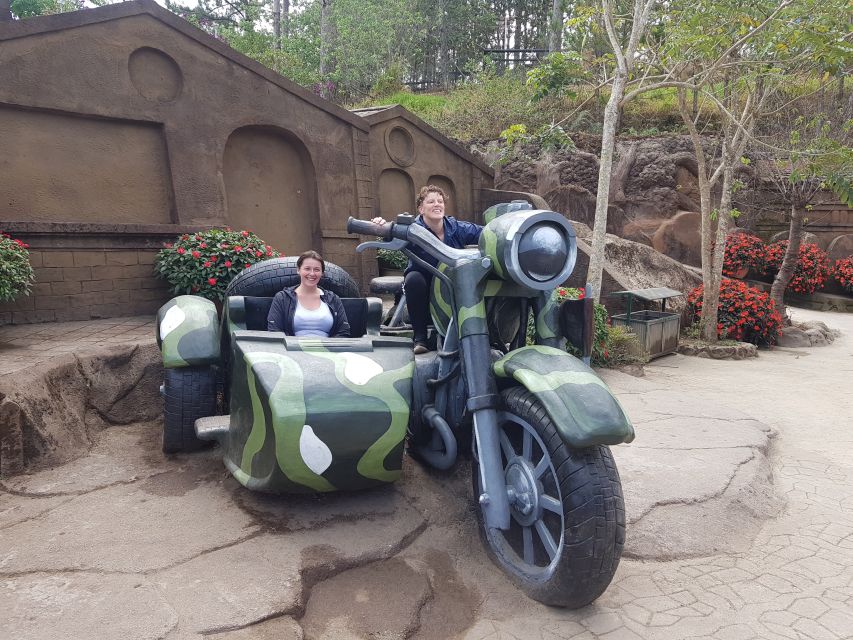
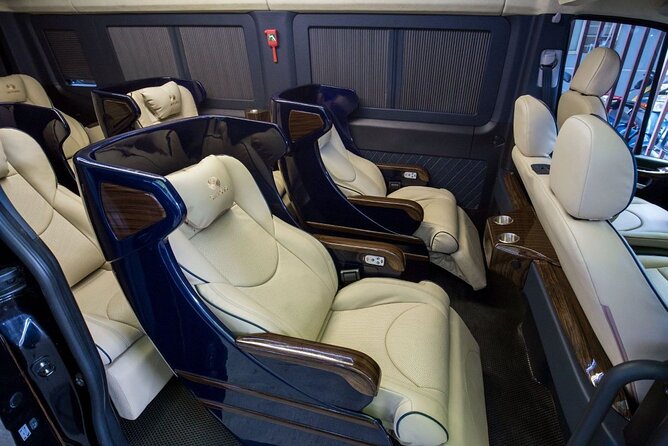
This tour is built to be flexible in how you ride. You can go by motorcycle with included helmets and safety gear, or you can choose a car/4×4 vehicle option. If you choose self-ride, motorcycle rental is included, which matters because it removes one big headache: arranging a bike on your own.
In real terms, motorbikes are part of the appeal here. Da Lat’s countryside roads can feel scenic and airy, and you’ll feel more connected than you would stuck in a small bus. But you’re still riding with road conditions and turns, so you’ll want to lean into safety habits: keep your grip steady, wear the helmet correctly, and give yourself a minute to settle before the first stop.
A big selling point from guide behavior: several guides connected with this tour are known for cautious, confidence-building driving. Names like Mr. Hiep, Le, Lee, and Chung keep coming up for being safe and attentive, especially with first-timers.
Stop by Stop: What You’ll Get from Clay Tunnel to Lam Vien Square
This day is long enough that it can feel like a highlight reel, so it helps to understand what each stop contributes and where you might want to slow down.
Clay Tunnel (Artificial Clay Art Area): oversized mini-Da Lat world
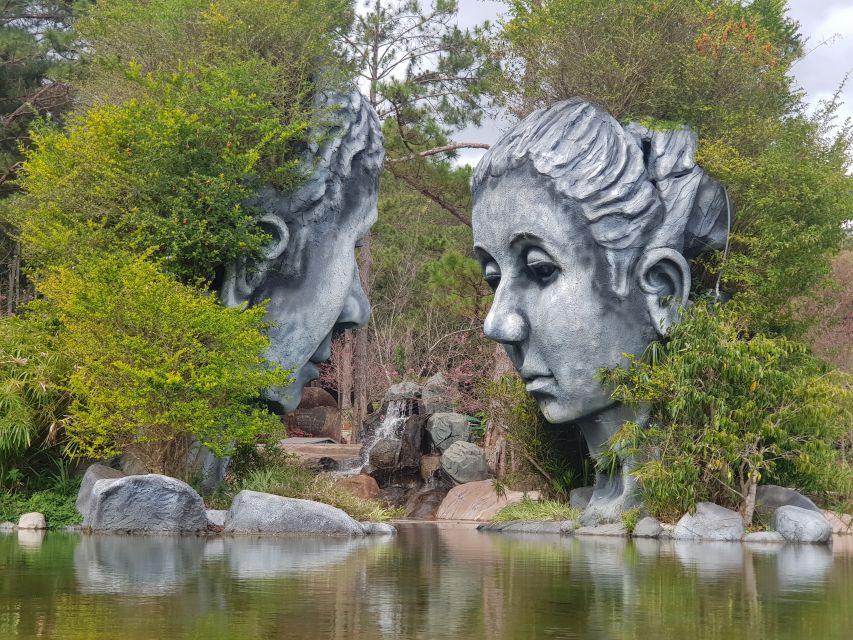
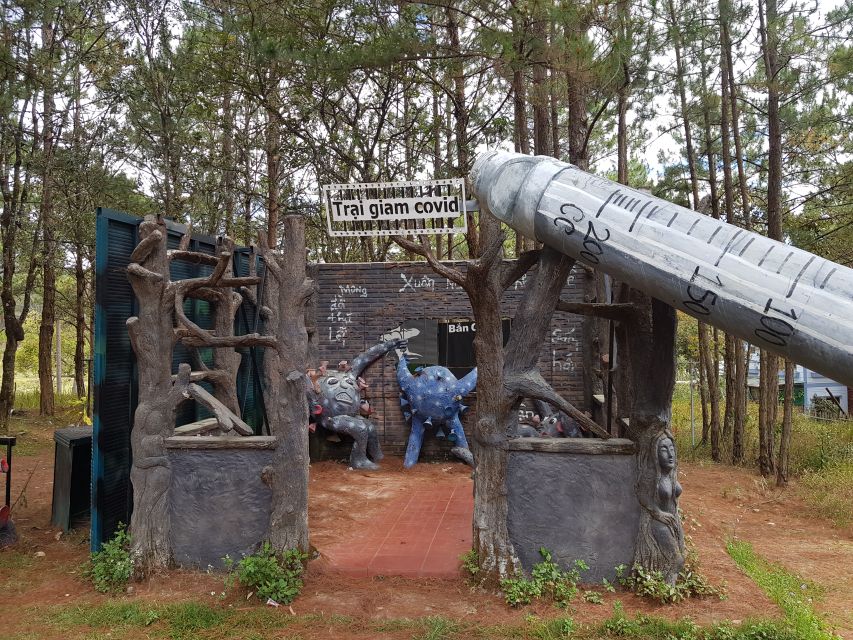
The artificial clay art area is your opening act, and it sets the tone for the whole trip. You’ll see giant miniature Da Lat city model themes—lizards, huge bikes, trains, and other character pieces—built in a way that’s meant to be walked through and photographed.
Why this matters: this isn’t just a background photo stop. It’s interactive in the simplest way—you can move around the sculptures, compare angles, and enjoy the absurd scale. If you like street-art energy but want something more “walk-in,” this is a strong start.
Time-wise, you’ll usually get about an hour here. That’s enough to take pictures without feeling rushed, but if you’re chasing a lot of specific angles, you’ll want to be ready the moment you arrive.
Truc Lam Zen Monastery: calm views above the lake
Next up is Truc Lam Zen Monastery, described as the largest monastery in Lam Dong. You’re visiting a working spiritual site, not a theme park, so keep your behavior respectful and expect some places to feel quiet and shaded.
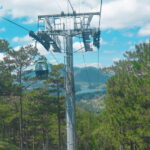
This stop pairs well with the scenery around it. After the monastery, the route heads toward Tuyen Lam Lake, which is the largest freshwater lake in Da Lat (about 320 hectares). You’ll likely have a short photo moment, and it’s one of those “Da Lat looks like Da Lat” pauses.
The drawback here is timing. Monastery stops are often calm and slow, but this tour compresses everything into short segments. If you want to sit and linger longer, you may feel slightly rushed unless your guide builds in extra breathing room.





Datanla Waterfall: one hour of adventure energy
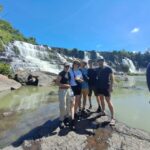
You’ll ride out to Datanla Waterfall, around 10 km from Da Lat city, in the Datanla tourist area. Expect a more active atmosphere than a simple viewpoint. The area is designed for movement—paths, viewpoints, and the kind of fun add-ons Da Lat is known for.
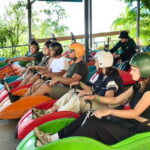
You’ll get roughly one hour here, which is enough to enjoy the falls area without turning it into a full hike day. And yes, there can be optional rides or ticketed experiences in the Datanla area that help you avoid extra walking. One example you might hear about is a rollercoaster option at Datanla that some people use to cut down on the walk to the waterfall.
If you hate add-on fees, treat them as optional. Entrance fees are not included in your tour price, and you’ll also want to budget for any Datanla-specific charges you decide to take.
Cao Dai Temple of Da Lat: belief explained through a miniature world
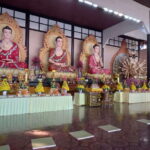
Then comes a site that feels like culture meets design: Cao Dai Temple of Da Lat. This stop is tied to the Tay Ninh Holy See, and the tour emphasizes the idea of the temple image as a miniature Tay Ninh Holy See.
You’ll also hear how Cao Dai teaching is often represented through the steps of human evolution: Human, God, Saint, Fairy, Buddha. And the stop highlights that it presents five strands of the religion’s perspective.
Why I think this is worth your time: it gives you a way to understand how people “teach” through art and symbols. It also breaks up the day between the natural stops and the big architectural showpieces.
The tradeoff: it’s still a brief temple visit (about 30 minutes), so your understanding will depend on what your guide shares. If your goal is deep study, you might want a longer independent visit afterward.
Linh Phuoc Pagoda (Glass Bottle Pagoda): the 12,000-bottle dragon
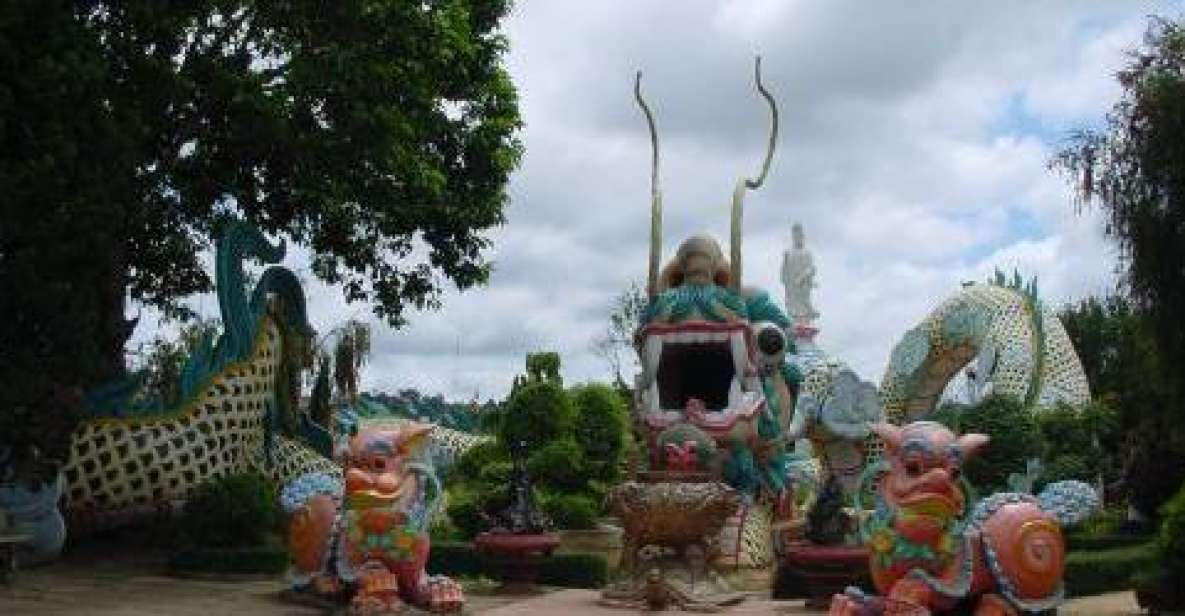
Now the tour turns into something you’ll remember: Linh Phuoc Pagoda, famous as the Glass Bottle Pagoda. In the temple yard there’s a dragon made from 12,000 bottles of former Tiger beer, stretching around 49 meters long.
This is the kind of architecture that makes photos look almost too clean. Up close, you start to notice how the details are built to create texture and shine even in diffuse daylight.
You’ll have about 45 minutes here, which is a comfortable amount of time to walk, look, and absorb. Just note this is a temple setting, so keep your pace steady and dress appropriately.
Dalat Railway Station (1930s): the station you’ll want to pause at
The day ends with a stop that looks like it belongs in an old photo album: Dalat Railway Station, noted for its distinctive architecture and attributed to the 1930s style. You’ll see three pyramidal roofs with shapes referencing Langbiang mountain or communal-house themes.
This stop also connects to Da Lat’s rail culture. The route includes enough time that your guide may help you plan around train-related moments if your schedule allows. One helpful sign from prior experiences: guides like Lee have been described as flexible enough to adjust the order of stops so a rider could prioritize train time.
Time here is about 45 minutes, so it’s not just a quick “walk past it” stop. You can linger by the building, take photos, and understand why this station is an icon.
Lam Vien Square and Xuan Huong Lake: artichoke towers and lake views
Finally, you’ll reach Lam Vien Square, a popular Da Lat hangout around Xuan Huong Lake. The square is decorated with two giant artichoke towers, plus wild sunflower elements. This feels like a visual reset after temples and waterfalls.
You’ll get around 30 minutes for photos. It’s enough to walk the edges, catch the best angles around the lake, and re-center before heading back.
The only consideration: it can be busy and more urban than the other stops. If you’re hoping for quiet nature moments, this may feel more like a lively finish line.
What You’re Really Paying For at $38 (and Where It Can Cost More)
At $38 per person for a roughly 7.5-hour day, you’re paying for organization and access. The included value isn’t just transportation; it’s the “glue” that ties distant sights together: pickup/drop-off, guide explanations, helmets and safety gear, and fuel.
For many travelers, this is the real deal. Without a guide, you’d still have to map routes, figure out timing between attractions, and manage the cost and stress of separate tickets. Even if entrance fees are extra, the tour still reduces planning friction.
Where costs can rise: entrance fees are not included, and your personal spending and lunch aren’t included either. Some guides may suggest or bring you to local lunch spots. In practice, lunches can be very reasonable if you follow the guide’s lead, but you’ll need to decide what fits your budget.
Also, if you choose any optional experiences at Datanla (like rides that can reduce walking), expect extra tickets. The good news is you can decide on the spot instead of paying blindly in advance.
The Guide Factor: Why Mr. Hiep, Le, Lee, Tintin, Tri, and Chung Matter
A tour like this lives or dies on the guide. You’ll be moving through spiritual sites, history-linked architecture, and nature zones in one day, and you want someone who can explain without making it feel like a lecture.
Several guide names associated with this experience—Mr. Hiep, Le, Lee, Tintin, Tri, and Chung—are repeatedly described for a few consistent strengths:
- clear storytelling about Da Lat and Vietnam, including war-era context
- safe, careful riding (especially for people new to motorbikes)
- flexibility on timing and breaks so you don’t feel rushed at every stop
- friendly, easy conversation that makes the day feel more like a shared outing than a strict checklist
You’ll feel the difference most during transitions. If you’re good at reading schedules, you can notice when your time is tight. A strong guide uses that time well, and they’ll often adjust the order of stops when needed.
Who This Tour Fits Best (and Who Might Prefer Something Else)
This is a great match if you want a one-day “Da Lat overview” with real variety:
- You want waterfalls, temples, quirky art, and architecture in one outing
- You’re comfortable riding a motorcycle (or you prefer the car option)
- You like short, guided stops with time to take photos on your own
It may not be ideal if:
- you want a slow, long nature day with fewer transitions
- you dislike feeling rushed between multiple short visits
- you have motion sensitivity or you’re tired of sitting on the road for hours
If you’re traveling with a teenager or want a day that feels organized but not stiff, this tour’s structure tends to work well because it includes safety gear and guided timing.
Should You Book This Da Lat Clay Tunnel and Waterfall Tour?
Book it if you’re the type of traveler who likes hitting the major highlights without turning your vacation into a logistics project. With Clay Tunnel, Datanla Waterfall, Truc Lam, Cao Dai, Linh Phuoc, and the railway station in one route, you’ll come away with a layered sense of Da Lat—art, belief, and scenery all stitched together by one plan.
Skip it if you want deep immersion in just one theme (only temples, only nature, or only rail) because the day is built for breadth. In that case, you’d likely enjoy doing fewer stops and spending longer at each.
FAQ
FAQ
How long is the tour?
The tour duration is listed as 7.5 hours.
How much does the tour cost?
The price is $38 per person.
What does the price include?
It includes an English-speaking tour guide, transportation (motorcycles or car/4×4), fuel, helmets and safety gear, mineral water and tissue, motorcycle rental for the self-ride option, and hotel pickup and drop-off.
Are entrance fees included?
No. Entrance fees are not included, and they can add to your total cost depending on what you choose at each stop.
What’s the pickup and drop-off like?
Hotel pickup and drop-off are included. You’ll wait in the hotel lobby at least 10 minutes before your pickup time.
What language options are available for the guide?
The guide languages listed are English, Vietnamese, French, and Chinese.
Is this tour only by motorcycle?
No. Transportation can be by motorcycle or by car/4×4 vehicle, depending on the option you choose.
If you tell me your hotel area (or nearest landmark) and whether you prefer motorcycle or car, I can help you plan how to make the day feel less rushed and more fun.