REVIEW · MAI CHAU
3D2N Mai Chau – Pu Luong from rice valley to nature reserve
Book on GetYourGuide →Operated by DCT Responsible Travel · Bookable on GetYourGuide
Life is better when you ride rice-valley roads. This 3-day, 2-night route strings together Pu Luong jungle scenery, remote ethnic villages, and that off-the-beaten-path feeling that comes from trekking where fewer tour buses go. I especially like the Tat Nàng waterfall option for a wild swim (or the natural hot spring swap), and I like the trek that threads through Thai villages and rice terraces. One consideration: the program relies on motorbike time and a tight schedule, and room setups and timing can vary day to day.
You’ll stay in a stilt-style village house with a view of the Na Phon rice fields, then spend your days with an English-speaking local guide in Mai Chau plus local drivers/riders for the Pu Luong and waterfall portions. With a maximum of 8 travelers, you tend to get a bit more flexibility for photos and stops—handy when the views keep turning into the kind you want to actually remember, not just pass by.
In This Review
- Key Points That Matter On This Route
- Rice Valley to Nature Reserve: What This Trip Is Really Like
- Day 1: Hanoi to Mai Chau and Cycling Through Village Life
- The Homestay Setup in Mai Chau (And Why It Works)
- Day 2: Pu Luong Reserve Day—Kho Muong Cave, Thai Villages, and Cham Stream
- Day 3: Tat Nàng Waterfall Morning, Phu Mau Hot Spring Soak, Then Back via Hoa Binh Lake
- Transport Reality: Car, Bike, and Motorbike Comfort Levels
- Guides and Local Touches: The Difference Maker
- Food and Water Stops: Why These Small Moments Count
- Value for $296: What You Get, What You Risk
- Who This Trip Suits Best (And Who Should Rethink)
- Should You Book This Mai Chau–Pu Luong 3D2N?
- FAQ
- How long is the trip?
- Where do you depart from in Hanoi?
- What’s included in the price?
- What activities are part of the itinerary?
- Do I need to be able to swim?
- How big is the group?
- What about weather?
- What’s the physical requirement?
- What languages are offered?
Key Points That Matter On This Route
Pu Luong nature reserve is the main event with a full day of caves, village walking, and cooling off in freshwater.
Tat Nàng waterfall + Phu Mau hot spring are your two-day “wow switches”—choose swim or soak based on how your morning feels.
Motorbike transfers are part of the charm and the workload (often worth it, but plan your comfort level).
Homestays put you close to daily life—BBQ with hosts in Mai Chau and a local-style lunch on village days.
Small group size (up to 8) helps pacing and makes it easier to ask for extra photo time or a slower stop.
Rice Valley to Nature Reserve: What This Trip Is Really Like
This is a classic northern Vietnam format: start in the valley calm of Mai Chau, then gradually trade paved roads and farmland for reserve paths, limestone areas, and river-water moments. The smart part is that it’s not only driving between viewpoints. You spend real time in the villages, you walk a trail, and you get time in water—first a freshwater stream, then the waterfall option, and possibly hot springs.
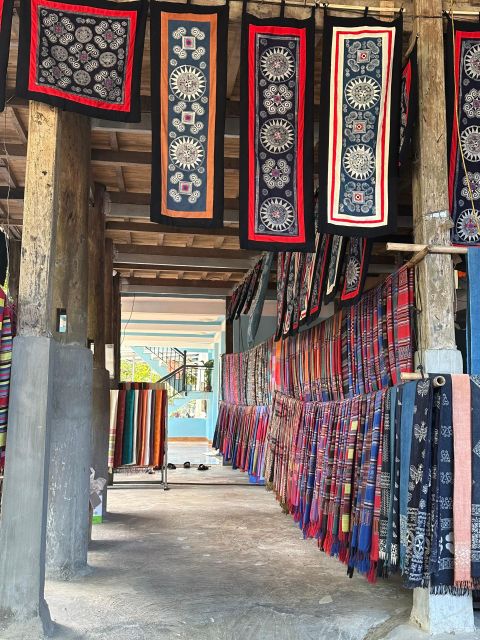
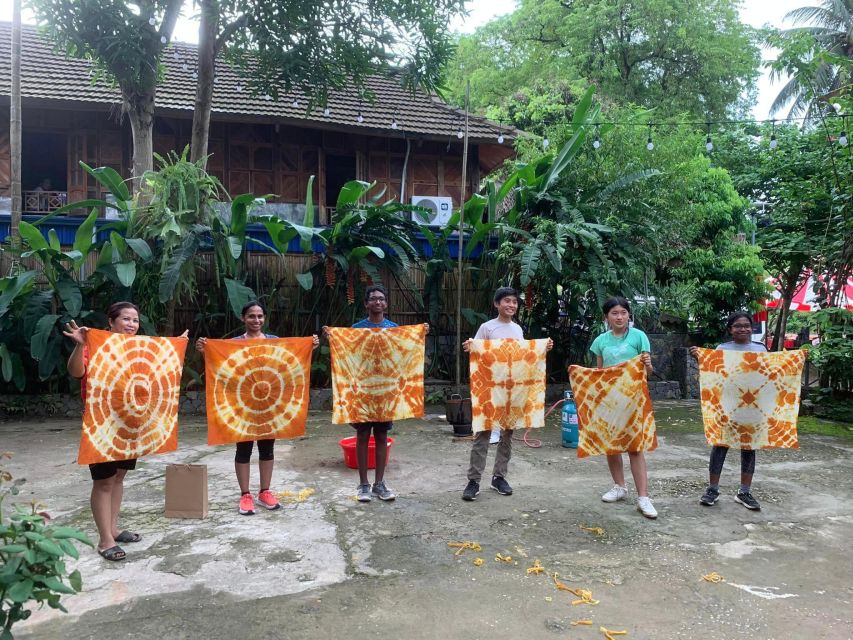
If you like trips that feel active (but not exhausting all day), this fits. You’ll also get crafts that connect to daily life: bamboo becomes chopsticks, and you’ll see fabric dyeing at workshops tied to local traditions.
The tradeoff is that the schedule packs in several different kinds of scenery in a short window. If you hate being on the go, you’ll feel it. If you like variety—rice terraces one moment, jungle and caves the next—you’ll have a great time.
A few more Mai Chau tours and experiences worth a look

Day 1: Hanoi to Mai Chau and Cycling Through Village Life
The day starts with pickup from Hanoi at 17 Cau Go and a drive into the Mai Chau valley. You arrive around 10:30, meet your hosts, and step into customs that feel local rather than staged.
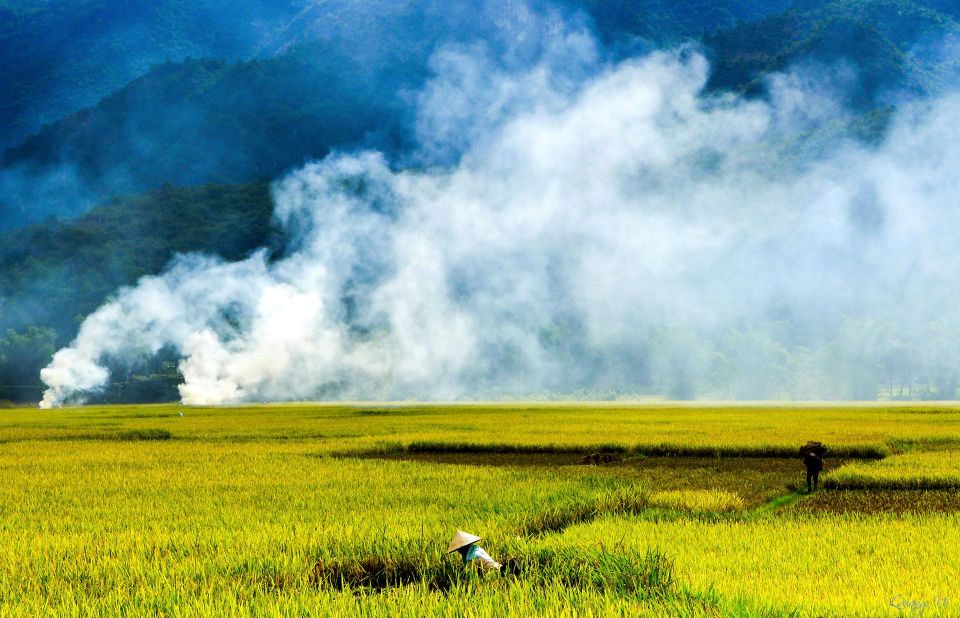
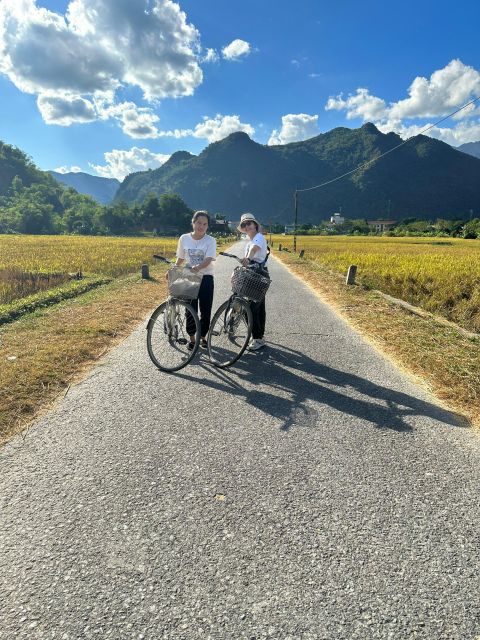
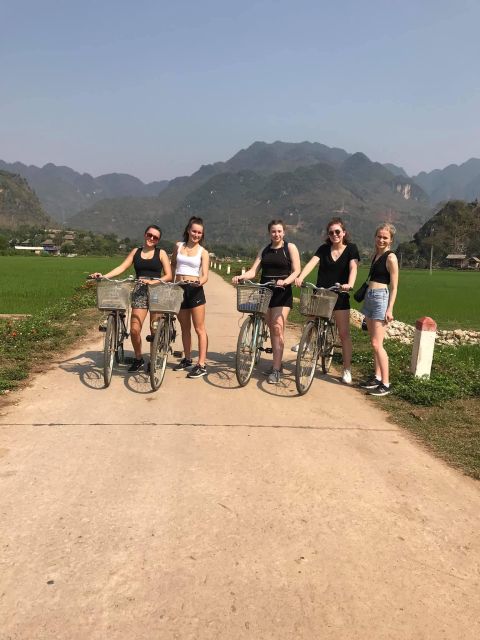
In the afternoon, you get bicycles to explore Mai Chau by bike along quiet trails through villages and cropped fields. This is not a “race.” It’s a slow wander with the freedom to stop for photos or chat if someone is around. It’s one of the best ways to absorb the valley because you move at a speed where details matter—paths, foot traffic, water channels, the rhythm of farm work.
Back at the homestay by about 4:00, you get time to reset. Then comes the dinner moment that often makes people remember the trip: a BBQ prepared by your hosts, paired with their home cooking skills and household hospitality.
The Homestay Setup in Mai Chau (And Why It Works)
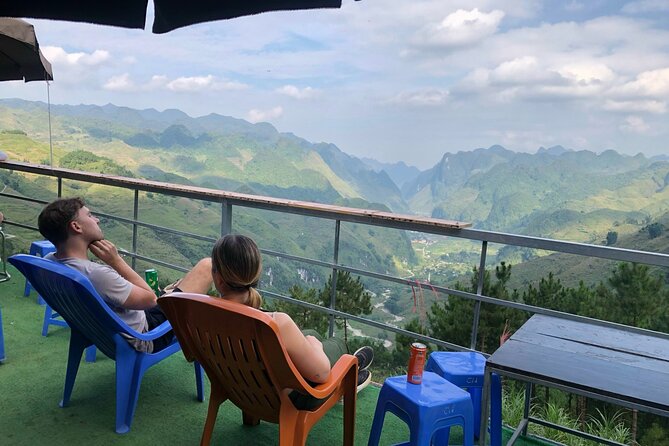
Your accommodation is a traditional house-on-stilts, and the view from your stay is described as a great outlook over Na Phon rice fields. That matters more than it sounds. Waking up to rice fields keeps the trip grounded and gives you that calm “valley morning” feel before the more rugged days begin.
Food is part of the rhythm here, not an afterthought. You’ll have lunch and dinner included across the trip, and the homestay meals are described as genuinely good by people who cared about quality, not just quantity.
Practical reality check: a few experiences have mentioned room assignment differences (private vs shared-style setups). So if you’re very sensitive about room comfort, it’s worth going in knowing homestay life can be less standardized than hotels.
Day 2: Pu Luong Reserve Day—Kho Muong Cave, Thai Villages, and Cham Stream
Day 2 is the shift from valley to reserve. After breakfast, you travel about 50 km east, entering Pu Luong nature reserve territory. Depending on the group and the day’s logistics, transfers are arranged either by car or by motorbike/easy rider, and you’ll also stop along the way at a workshop linked to bamboo production—chopsticks made from bamboo.
Then the reserve day begins in earnest with a visit to Kho Muong village and the chance to explore Kho Muong cave. Caves in this region often feel more atmospheric than dramatic, like a cool breather between sunlight and jungle. It’s the kind of stop that adds variety to the day without turning it into a long detour.
Lunch is home-cooked with a local family back in the village area. This is a good checkpoint meal after cave time and before trekking.
After lunch, you say goodbye to Kho Muong and head to Bang village for about 1.5 hours of trekking. The walk follows a single trail through Thai villages and rice terraces. This is the part you should take slow—watch the path, notice irrigation channels and terrace edges, and don’t rush the photo stops. Trekking here also changes your sense of distance: what looks like a short rural hop on a map becomes real walking underfoot.
Next comes Cham Stream, where you can cool off by swimming in freshwater. If you’re wondering whether this trip is “worth the effort,” the stream stop is one of the reasons it is. It’s a relief from the heat and a moment that feels like part of village life, not just a choreographed activity.
The day often ends with a waterwheel stop—an example of how Thai people use water power to irrigate fields. It’s not just a photo stop. It gives you context for how the terraces stay alive.
Day 3: Tat Nàng Waterfall Morning, Phu Mau Hot Spring Soak, Then Back via Hoa Binh Lake
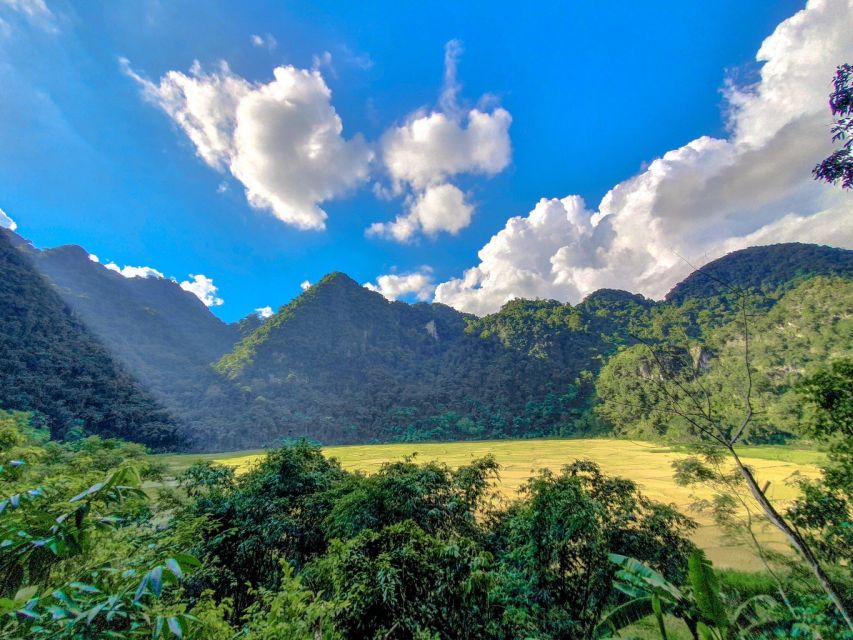
You start early—around 6:30—with breakfast, then hop on a motorbike behind an experienced rider to Tạt Nàng waterfall. This part is worth understanding: you get the experience in a small-group, ride-behind setup, so you aren’t stuck waiting around in a big vehicle queue.
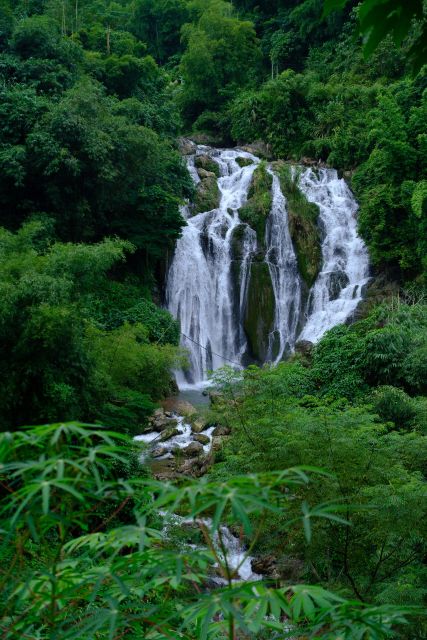
At the waterfall, you can grab a snack and then choose what you want to do next. One option is to swim. Another option is to skip the swim and head straight to Phụ Mẫu natural hot spring, where you soak in a more relaxed, warm-water setting.
Then lunch is at a friend’s Thai family place in Chieng Xuan village. After lunch, you head back toward Mai Chau and Hanoi. On the way, there’s a stop at Hòa Bình Lake, sometimes compared to Halong Bay on the mountain because of the jade-green reservoir views.
You’re back in Hanoi around 6:30 after tea and a farewell to your hosts.
Transport Reality: Car, Bike, and Motorbike Comfort Levels
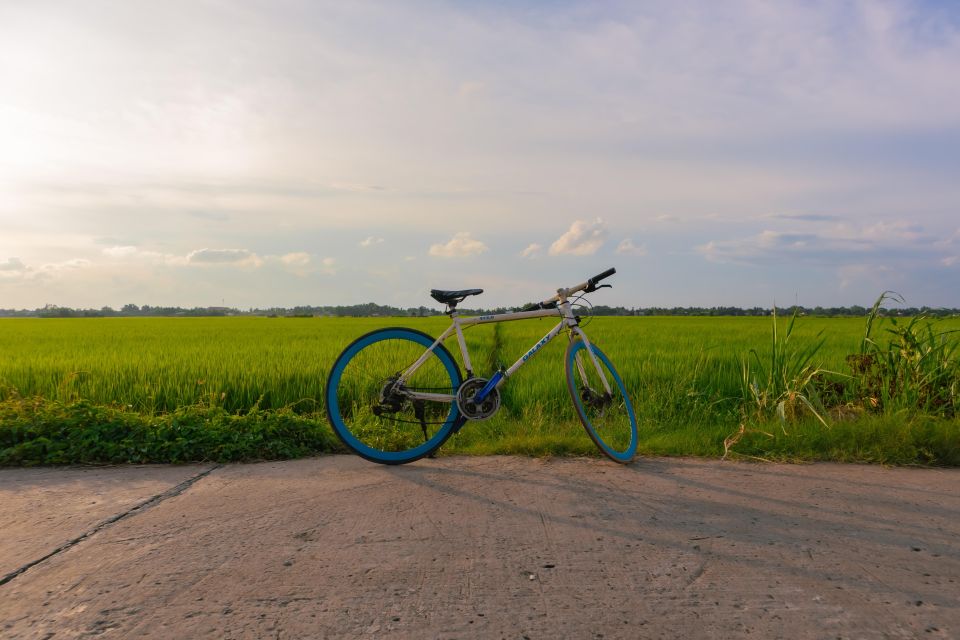
This trip uses multiple transport styles on purpose. The drive from Hanoi into Mai Chau is by air-conditioned vehicle, which helps you start the trip rested rather than instantly exhausted. Cycling in Mai Chau feels light and flexible, since you can stop whenever you want.
The motorbike days are the main comfort variable. Some accounts mention that the motorbike portion can feel long depending on how the route day flows. One review specifically suggested that the riding day may be around 100 km by motorbike and that a van or minibus could be a better match if you’re worried about distance.
So here’s the practical approach: if you’re comfortable with motorbike travel and enjoy scenery from the road, you’ll likely love this. If you’re prone to motion discomfort, ask yourself whether you’re okay with being on a motorbike for extended stretches.
Guides and Local Touches: The Difference Maker
A strong guide can turn a good route into an excellent one. In the experiences shared, Thu Hà stood out for being local and knowing the best places to visit, with enough time to take photos. Another guide named VIN was also mentioned positively for kindness and careful explanations.
You’ll also interact with homestay hosts, and several names come up: Ms Tan and Tui were highlighted for extraordinary hospitality in at least one account tied to the homestay portion. That kind of connection is why this trip doesn’t feel like a checklist.
Even when one activity changes (like a canceled bamboo boat portion mentioned elsewhere), a good guide still tries to keep the day meaningful rather than just skipping it. That’s why paying attention to how your day is handled matters.
Food and Water Stops: Why These Small Moments Count
This trip’s water stops are not random. You get freshwater swimming at Cham Stream, a waterfall morning at Tạt Nàng, and then a possible hot spring soak at Phụ Mẫu. That gives you multiple ways to cool off and multiple kinds of scenery, without needing huge hikes every day.
Meals also keep the trip grounded. BBQ dinner in Mai Chau brings the family-style evening atmosphere, and lunches on village days keep the itinerary tied to where you’re walking. Included water, tea, and local fruit also help you avoid the constant search for snacks while moving between sites.
If you love food that tastes like it belongs to the place you’re in, this kind of structure tends to land well.
Value for $296: What You Get, What You Risk
At $296 per person, this is priced like an experience package rather than a DIY route. The value comes from what’s included: meals and accommodation, transfers from Hanoi, English-speaking local guide in Mai Chau, workshops (fabric dyeing and chopstick-related stop), bicycle use, motor-taxi with experienced rider in Van Ho and Pu Luong, entrance fees, and all taxes.
So you’re paying for coordination and local access—especially the homestay lodging and village time.
The risk factor is consistency. A couple experiences pointed out things like room setup differences, a BBQ dinner not matching the exact description on one evening, schedule ending earlier than expected, and even uncomfortable return transport (in one case, a car with tightly packed passengers). Another mentioned a bamboo boat activity cancelation due to police issues and a different swim stop instead.
That doesn’t mean the trip is bad. It means you should treat it as a living rural itinerary: nature and local conditions can affect the exact order and which optional activities happen.
Who This Trip Suits Best (And Who Should Rethink)
This is ideal if you want a northern Vietnam nature-and-ethnic-village mix in a short time, and you’re okay with an active schedule. You’ll likely enjoy it most if:
- you like walking trails and don’t mind some uneven ground
- you enjoy motorbike scenery (or at least can tolerate it)
- you care about village lunches and homestay evenings
- you want both cool-water moments and hot-spring relaxation
You might want to rethink it if:
- you’re very sensitive to motorbike travel distance or road time
- you need hotel-style room consistency and private bathrooms every night
- you dislike surprises in timing or activity swaps when conditions change
Should You Book This Mai Chau–Pu Luong 3D2N?
I’d book it if your priority is variety with real village time: rice valley cycling, Pu Luong reserve trekking, cave visits, and at least one major water moment (waterfall swim or hot spring soak). The included meals, workshops, and entrance fees mean you’re not constantly paying extra or chasing logistics.
I’d think twice if you’re picky about exact room type, you’re strict about daily end times, or you strongly dislike motorbike travel. In those cases, you can still book, but go with eyes open and consider asking about transport preference for the longer riding segments.
If your travel style matches active outdoors plus homestay life, this route is the kind of trip that feels like you actually got out into the region—not just looked at it.
FAQ
How long is the trip?
It’s a 3-day, 2-night experience, running from Hanoi into Mai Chau and then onward to Pu Luong, finishing back in Hanoi.
Where do you depart from in Hanoi?
The departure is from the office at 17 Cau Go in Hanoi.
What’s included in the price?
Meals and accommodation are included, along with an English-speaking local guide in Mai Chau, two ways transfers from Hanoi in an air-conditioned vehicle, workshops, bicycle use, motor-taxi with an experienced rider, activities listed in the program, and entrance fees, water, tea, and local fruit.
What activities are part of the itinerary?
You can expect cycling in Mai Chau, chopstick and fabric dyeing workshops, a cave visit at Kho Muong, trekking in Thai villages and rice terraces, swimming at Cham Stream, and on the last day a visit to Tạt Nàng waterfall and/or Phụ Mẫu hot spring, plus lunch in a Thai village and a stop at Hòa Bình Lake.
Do I need to be able to swim?
Swimming is optional in the plan. You can swim at Cham Stream, and at Tạt Nàng waterfall you can choose to swim or skip it and go to the hot spring instead.
How big is the group?
The tour has a maximum of 8 travelers.
What about weather?
This experience requires good weather. If it’s canceled due to poor weather, you’ll be offered a different date or a full refund.
What’s the physical requirement?
It’s described as suitable for most travelers, but you should note the guidance that there should be no heart problems or other serious medical conditions. Some parts involve trekking and active days.
What languages are offered?
The tour uses English.